


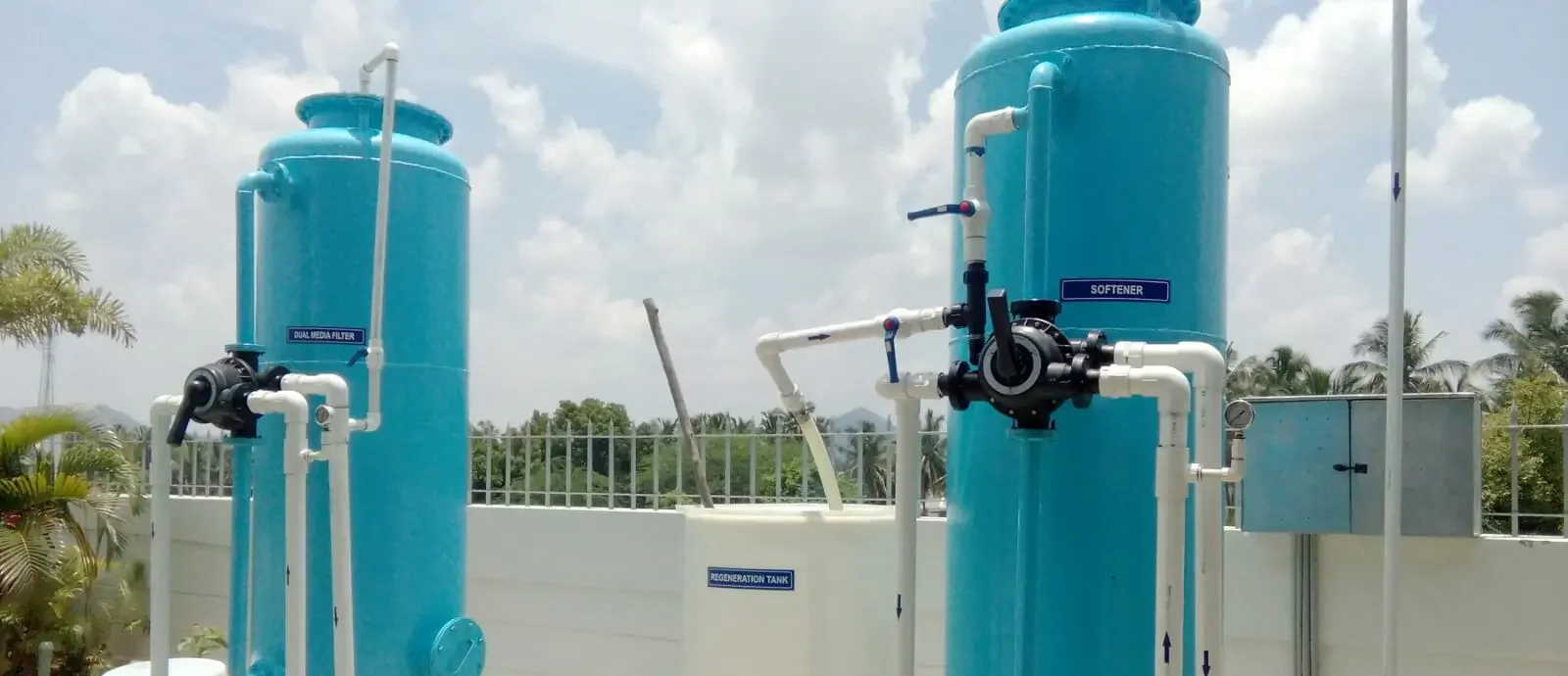
Softener Plant
 Free Site Assessment

Facing Scaling or Hard Water Issues? Get a Softener That Protects Your System
Designed based on your raw water hardness and usage pattern to ensure consistent soft water output and reduced maintenance.
Industrial Water Softener Plants are essential to remove hardness caused by calcium and magnesium, which leads to scaling, reduced efficiency, and equipment damage. We design systems based on actual water analysis — ensuring stable performance and reliable operation.
✔ Effective hardness removal for boilers, cooling towers & process use
✔ Optimized resin performance & regeneration cycles
✔ Reduced scaling, maintenance & downtime
✔ Consistent soft water output under varying conditions
✔ Turnkey execution: Design → Installation → Commissioning
Whether it’s a new installation, replacement of an inefficient system, or capacity upgrade, we ensure long-term performance and operational cost control.
Get Free Softener Consultation, Site Visit & Cost Estimate
Talk directly with our engineer to plan the right system for your requirement.
See real installations in our
Projects.
How Does Our Softener Plant System Work?
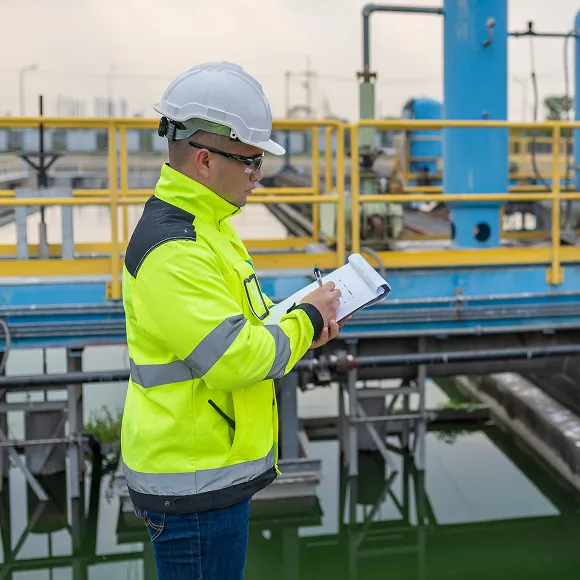
Every softener plant starts with real water, not assumptions pulled from a catalogue, especially for a hardness removal plant for industrial water. Raw water is tested properly — total hardness, calcium, magnesium, iron, manganese, TDS, turbidity, flow fluctuation, the things that actually cause problems later if ignored. These numbers drive everything. Resin volume, vessel diameter, service flow, run length, regeneration cycle, even how much salt gets consumed per cycle. When sizing is done right at this stage, issues like hardness leakage, resin channeling, or early exhaustion simply don’t show up, and operating cost stays where it was calculated. Miss this step and the plant will fight you forever.
Based on inlet quality and how the treated water is finally used, the process line is arranged. If raw water carries iron, turbidity, or suspended solids, pretreatment is added first — pressure media filters or iron removal — because resin is not forgiving. The softener itself uses high-capacity cation exchange resin that swaps calcium and magnesium for sodium ions, bringing hardness down to low ppm levels needed for water softener plant for boiler and cooling tower duty, process equipment, and utility lines as an ion exchange resin based water softener system. Regeneration stages — backwash, brine draw, slow rinse, fast rinse — are hydraulically tuned, not guessed, so resin beds regenerate evenly and salt usage stays controlled.
Long-term performance depends far more on regeneration control and hydraulic balance than on vessel size alone. Systems are supplied with automatic multiport valves, timer- or meter-based as required, duplex options where uninterrupted supply is critical, and defined pressure drop limits so operators know when something is drifting. The focus stays practical: keeping hardness leakage in check, not wasting salt, extending resin life, and holding outlet quality steady even when demand swings. From design checks and fabrication through commissioning, performance testing, and operator handover, each system is started with clear benchmarks and operating limits documented — because that’s what keeps the plant stable years after installation, not just on day one.

Raw Water Testing & Pretreatment
Raw water is analyzed for hardness, iron, turbidity, and TDS. Based on results, pretreatment such as pressure sand filtration or iron removal is installed to protect the resin bed from fouling and pressure drop issues.

Service Cycle (Ion Exchange Softening)
Hard water passes through the cation exchange resin bed. Calcium and magnesium ions are exchanged with sodium ions, reducing hardness to low ppm levels suitable for boilers, cooling towers, and process use.

Exhaustion Detection
As resin capacity is consumed, hardness breakthrough begins. This is detected by meter-based flow control or timed cycles. The system then automatically shifts to regeneration mode before outlet quality becomes unstable.

Regeneration Cycle
Regeneration cycle restores resin capacity by backwashing the bed, drawing brine to recharge ion-exchange sites, and then slow/fast rinsing to remove excess salt. This prepares the softener for the next service run with stable hardness removal.
Return to Service
After rinsing, the softener returns to service mode with restored resin capacity. Operating parameters like cycle time, salt dose, and pressure drop are logged to maintain consistent performance and resin life.
Key Market Segments for This Product
Softener plant systems are deployed wherever hardness in water leads to scaling, heat-transfer loss, chemical overuse, or equipment reliability issues. The most common application segments are outlined below, based on actual hardness-load and utility demand rather than generic use cases.



Additional Unique Selling Propositions (USPs)
- Water-Tested: Designed from actual hardness, iron & flow profile
- Right Resin: Proper grade & sizing to avoid leakage and early exhaustion
- In-House Build: Controlled fabrication for reliable hydraulic performance
- Smart Regeneration: Meter/timer-based control for balanced salt use
- Protected System: Pretreatment added where needed to extend resin life
- Cost-Optimized: Reduced salt and water consumption
- Performance-Checked: Commissioning with hardness validation & SOPs
- Flow-Stable: Designed for proper service & backwash conditions
- Upgradable: Fix high salt use, pressure drop & output issues
- Lifecycle Support: Ongoing tuning and resin performance checks
Applications of Softener Plant Systems
Softener plant systems ensure low-hardness water where calcium and magnesium levels cause scaling, efficiency loss, and equipment damage in conventional water systems.
Laundry and textile processing units to prevent fabric damage and detergent inefficiency caused by hard water
Laundry and Textile Processing
Softener plant systems supply low-hardness water to prevent fabric damage, reduce scaling on equipment, and improve detergent efficiency in laundry and textile operations.
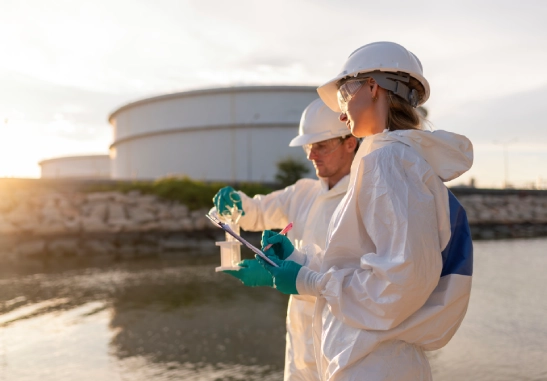
RO / DM Plant Pretreatment
Softener plants act as an effective pretreatment stage before RO and DM systems, minimizing scaling risk and extending membrane and resin service life.
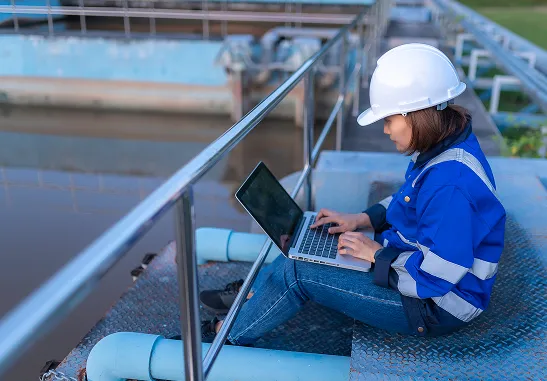
Car Wash and Vehicle Service Stations
Softened water helps prevent spotting and mineral deposits on vehicle surfaces and washing equipment, improving finish quality and reducing maintenance.
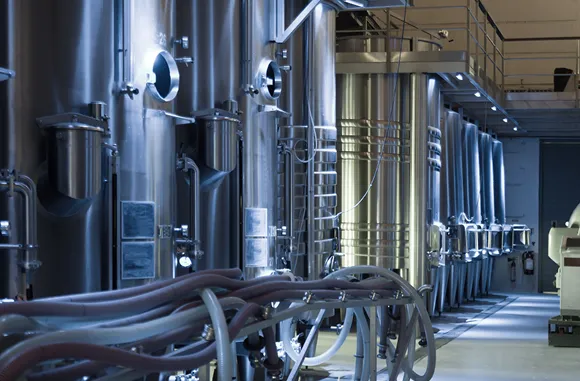
Why Plizma Technology for Engineered Softener Plant Solutions
Plizma Technology delivers engineered water softener plant systems across India and select neighbouring countries, with strong project execution and service support, especially across Eastern India. Each softener system is designed around actual raw water hardness, flow demand, and end-use needs — not standard package templates. Proper resin selection, regeneration control, and pretreatment planning ensure reliable outlet quality and efficient salt usage. Modular, skid-based designs simplify installation while keeping operating cost and long-term performance predictable and stable.

High Efficiency

Eco-Friendly Design

Hassle-Free Installation Process

Customizable Options

Reliable Performance
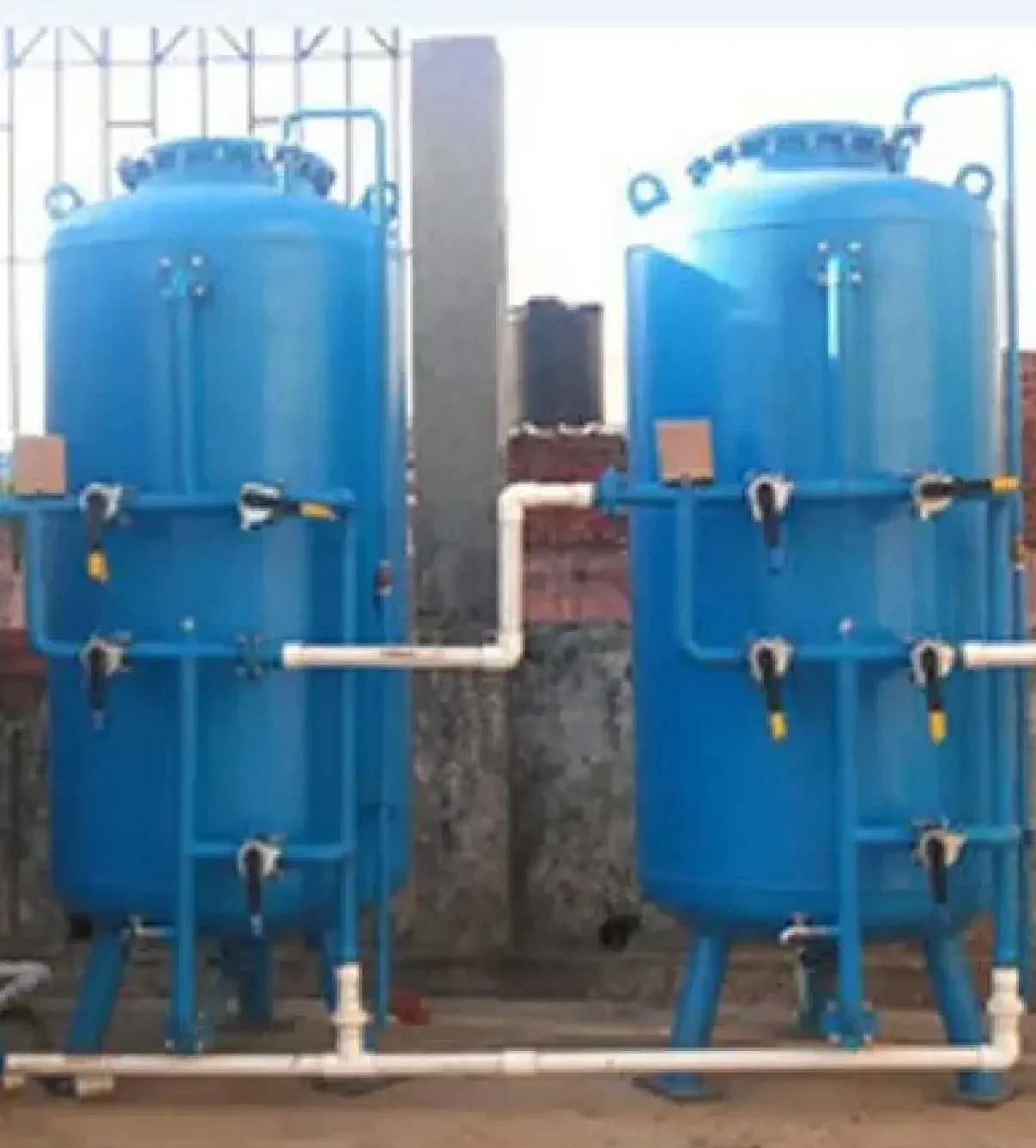
Softener Plant Performance, Optimization & Lifecycle Support
Water softener plants usually underperform not because of resin failure, but due to poor pretreatment control, undersized vessels, regeneration running on fixed time, and no performance tracking after commissioning under lifecycle support for industrial softener plants. On site this shows up as early hardness breakthrough, bed channeling, rising salt consumption, iron fouling, abnormal pressure drop, and unstable outlet quality whenever inlet water fluctuates. When operation is not tied to actual hardness load, efficiency slowly drops even in correctly installed systems.
Plizma Technology improves softener reliability through structured site audits, inlet water testing, regeneration sequence tuning, pretreatment review, resin health checks, and operator guidance based on real data with softener plant operation and maintenance support. Cycle time, salt dosage, and backwash rates are aligned to actual operating load, not assumed values. This lifecycle-driven approach helps reduce salt wastage, extend resin life, and maintain stable hardness leakage control while lowering operating cost under variable hardness, iron, and suspended solids conditions.
Engineering Scope & Execution Capability
Plizma Technology develops solution-driven implementations where each product is integrated based on site conditions, operating objectives, and regulatory requirements, ensuring practical performance rather than theoretical efficiency.

Rainwater Treatment
Plizma Technology offers the best rainwater treatment solutions. With the top rainwater harvesting plant in Kolkata, we provide effective solutions like UV sterilization, filtration, and chlorination, ensuring top-quality water for multiple uses.
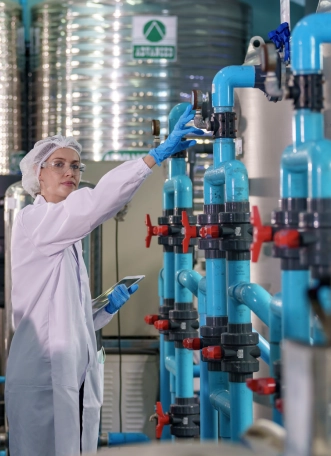
Raw Water Treatment
We offer a raw water treatment plant that includes clarifiers, filtration, chemical feed, and control panels to remove all the contaminants, including bacteria, iron, hardness, and silica.
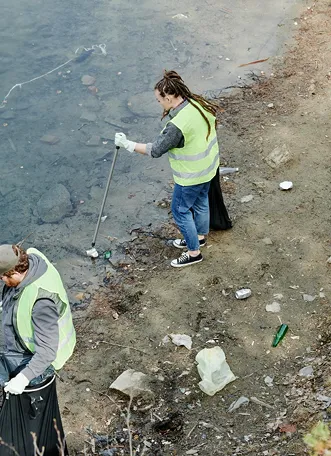
Municipal Waste Treatment
Plizma Technology is a leading municipal wastewater treatment service in Kolkata. We provide municipal waste solutions like sludge treatment, reusable material recovery, and sanitization technologies.
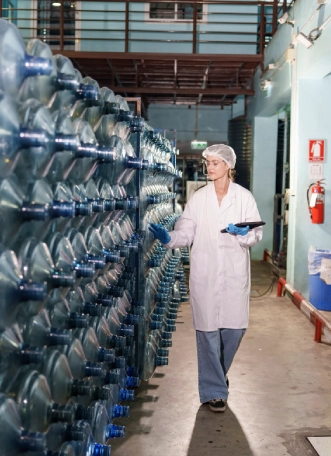
Desalination
Plizma Technology offers budget-friendly methods and produces water with a lower salt content. We have different techniques like reverse osmosis and electro-dialysis.

Water Treatment Plant
We offer a water treatment plant that improves the quality of water. Our solutions include industrial water supply, restoring ecological resources, and clean drinking water.
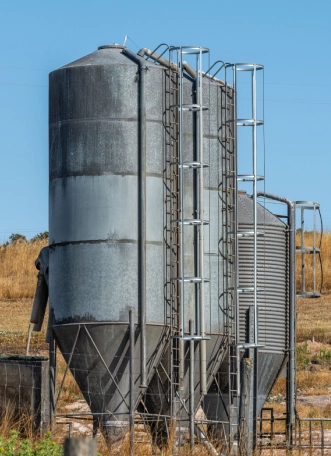
Rural Drinking Water Treatment
We provide the best rural water treatment in Kolkata. Our solutions include treating water from tube wells and rivers to remove harmful contaminants such as sewage, iron, and fluoride.
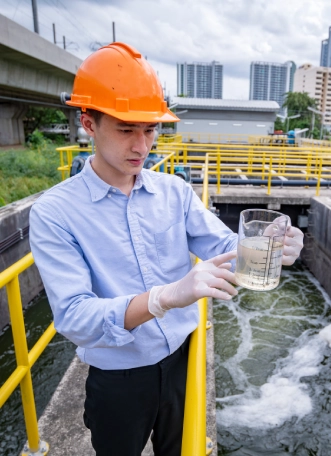
Urban Drinking Water Treatment
We are the leading company for providing urban drinking water treatment in Kolkata. We offer solutions such as ultrafiltration, reverse osmosis, ozonation, electrochlorination, and resin-based purification.
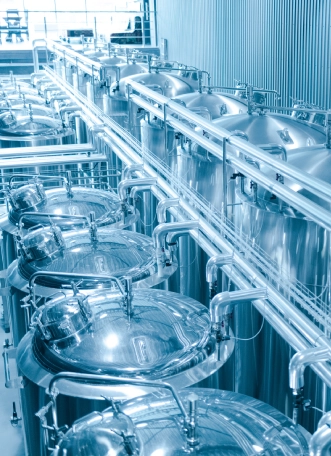
Process Separation & Purification
We apply membrane and ion exchange processes to separate, purify, and concentrate fluids across various industries. Our key applications include brine softening and silica solution conversion, among others.
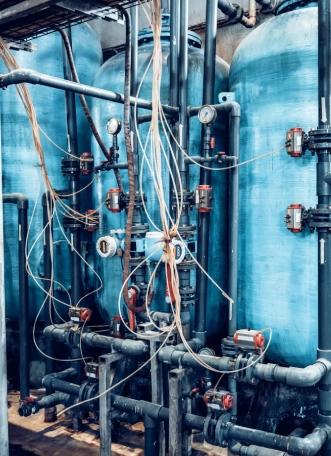
Process & Utility Water Treatment
Plizma Technology offers practical solutions for cooling, boiler, and process water applications using specialized regeneration and high-flow demineralization techniques.

Our Softener Plant Execution Approach
Plizma Technology follows a performance-focused and customer-first approach in delivering water softener plant systems. Every project begins with actual hardness analysis and application study so that the system is correctly sized and configured. We focus on reliable output hardness, salt efficiency, and long-term operability rather than just equipment supply. Engineering quality, component selection, and process discipline are maintained at every stage to ensure dependable plant performance and environmental responsibility.
Our softener plant technology uses proven ion-exchange processes with modern control valves and modular skid layouts, while keeping upgrade paths open as demand grows. We source critical components from trusted manufacturers and execute projects with documented installation and commissioning practices. With active project and service presence across West Bengal, Bihar, Odisha, Jharkhand, and the North Eastern states of India, clients receive regionally supported and application-ready softening solutions.
Have More Questions?
Feel free to reach us with all your custom queries if you don’t find the answer to your query in the following questions. We will reply at the earliest: