


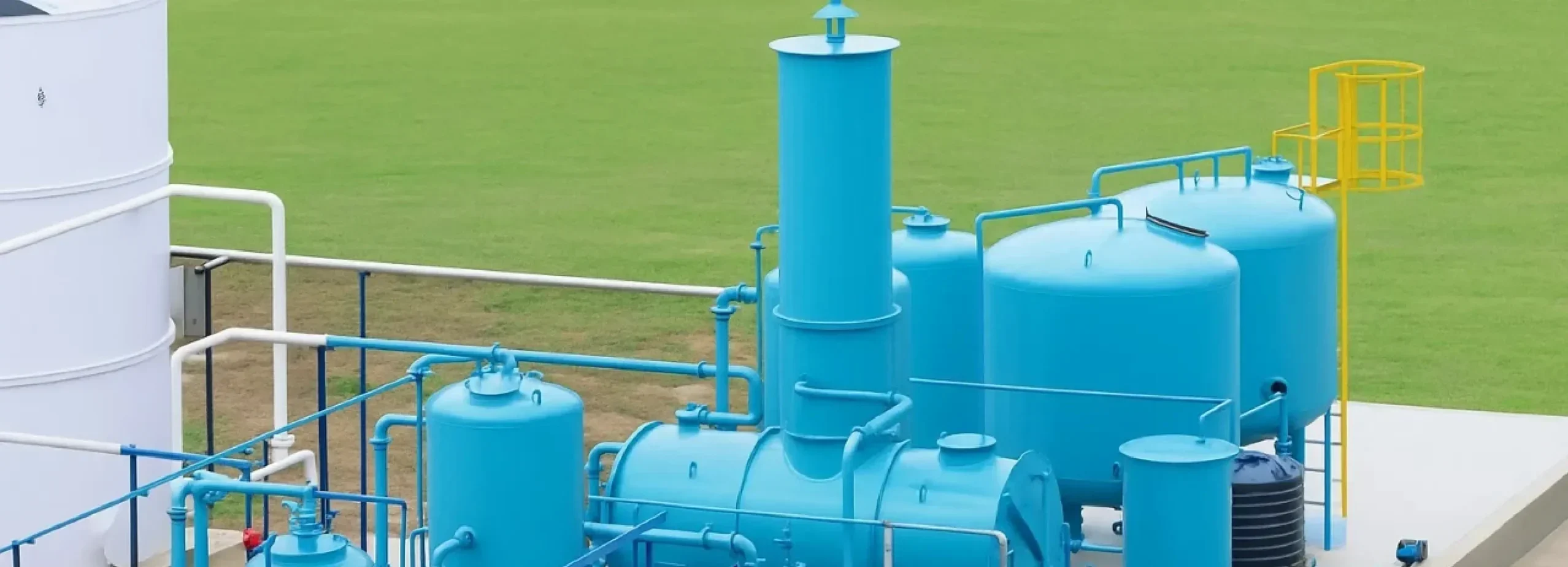
De Mineralization Plant (DM Plant)
 Free Site Assessment

High Conductivity or Boiler Issues? Get a DM Plant That Delivers Consistent Purity
Designed based on your actual raw water and process requirement to ensure low conductivity, stable output, and reliable operation.
Industrial DM Plants are critical where high-purity water is required for boilers, power systems, and process applications. Poor design often leads to scaling, resin exhaustion, and inconsistent output. We design systems based on actual water analysis — ensuring stable performance and long-term reliability.
✔ Designed on actual raw water profile (no trial-and-error)
✔ Consistent low conductivity & high-purity output
✔ Optimized resin performance & regeneration cycles
✔ Reduced scaling, maintenance & operational issues
✔ Turnkey execution: Design → Installation → Commissioning
Whether it’s a new installation, capacity upgrade, or fixing an underperforming system, we ensure stable water quality and dependable performance.
Get Free DM Plant Consultation, Site Visit & Cost Estimate
Talk directly with our engineer to plan the right system for your application.
See real installations in our
Projects.
How Does Our DM Plant System Work?
A Demineralization plant removes dissolved minerals from raw water to produce low conductivity water required for boilers and industrial processes. The design begins with a detailed raw water analysis to understand parameters such as TDS, hardness, alkalinity, silica, iron, and seasonal variations. These values determine pretreatment design, resin type selection, exchanger sizing, and regeneration strategy.
After pretreatment through filtration and optional activated carbon, water enters the ion exchange section. Strong acid cation units remove calcium, magnesium, and sodium, while strong base anion units remove chloride, sulfate, nitrate, and silica. In applications requiring very high purity, a mixed bed polishing unit is added to achieve ultra-low conductivity water suitable for boiler feed and process-critical use.
Stable DM plant performance depends on correct flow distribution, regeneration control, and resin efficiency. Our systems are engineered to maintain consistent treated water quality while optimizing chemical consumption and service cycle length, ensuring reliable operation under real industrial conditions.

Pretreatment
Raw water passes through sand and carbon filters (and softener if required) to remove turbidity, chlorine, and organics to protect downstream resins.

Cation Exchange
Strong acid cation resin removes calcium, magnesium, sodium, and other cations by hydrogen ion exchange.

Degasser (If Required)
A degasser tower strips dissolved CO₂ formed after cation exchange, reducing anion resin load and chemical consumption.
Anion Exchange
Strong base anion resin removes chloride, sulfate, nitrate, and silica by hydroxide ion exchange.

Mixed Bed Polishing
Mixed bed resin provides final polishing to achieve very low conductivity and low silica for high-purity applications.

Regeneration Cycle
Cation and anion resins are regenerated using acid and alkali dosing with controlled contact and rinse steps to restore exchange capacity.
Treated Water Storage & Monitoring
DM water is stored in dedicated tanks with conductivity monitoring and interlocks to ensure consistent output quality before end use.
Key Market Segments for This Product
DM plant systems are deployed where low-conductivity and silica-controlled water is critical for process reliability, boiler safety, and product quality, especially where deep ion removal directly affects equipment life and operating stability.



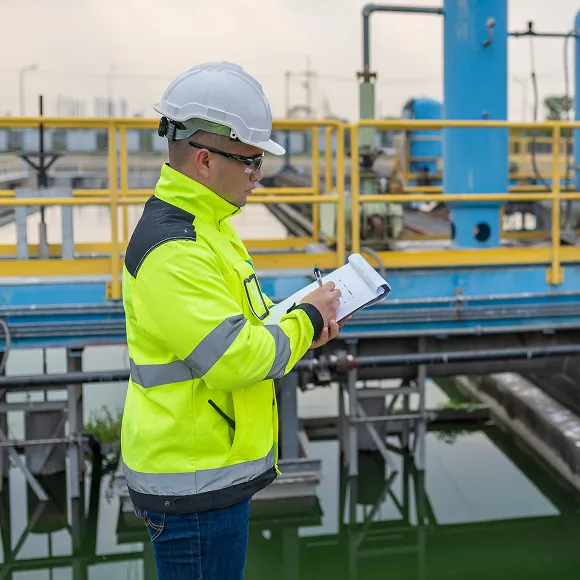
Additional Unique Selling Propositions (USPs)
- Water-Profiled: Designed from ionic analysis, silica & conductivity targets
- Right Resin Setup: Matched to feed chemistry for low leakage & longer runs
- In-House Build: Controlled fabrication for consistent performance
- Protected Resins: Pretreatment to prevent fouling, iron & chlorine damage
- Controlled Regeneration: Optimized acid/alkali dosing & rinse logic
- Flow-Stable: Proper distribution to avoid channeling issues
- High-Purity Ready: Mixed bed options for low silica & critical use
- Cost-Optimized: Reduced chemical use & efficient regeneration cycles
- Site-Aligned: Designed as per utilities & operator capability
- Lifecycle Support: SOPs, resin management & troubleshooting support
Applications of DM Plant Systems
DM plant systems deliver high-purity, low-conductivity water where dissolved ionic salts and silica must be removed beyond the limits of conventional treatment and membrane systems.
High-Pressure Boiler Feed Water
DM plants supply ultra-low conductivity water to high-pressure boilers to prevent scaling, tube failure, and steam contamination.
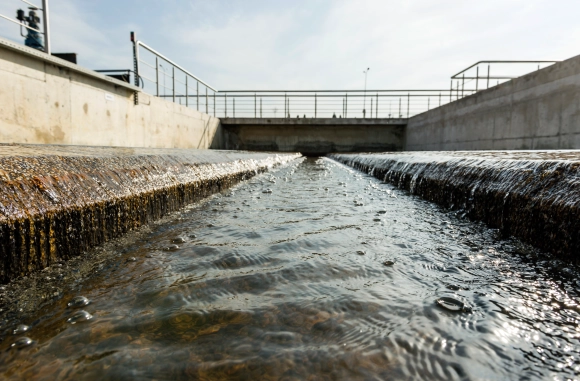
Power Plant & Turbine Makeup Water
Used in thermal and captive power plants where strict ionic and silica limits are required for turbine and condensate circuit protection.
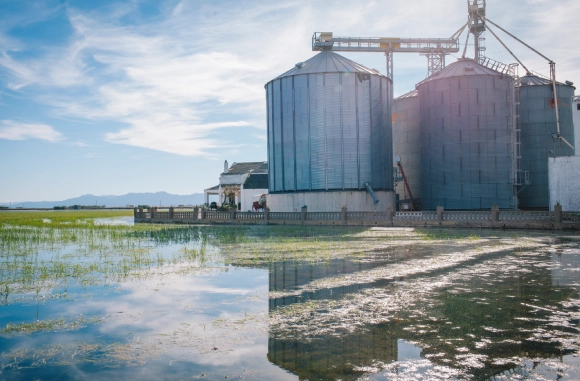
Pharmaceutical & Chemical Process
Water Provides high-purity process water for formulation, reaction, and washing stages where dissolved ions can affect product quality.
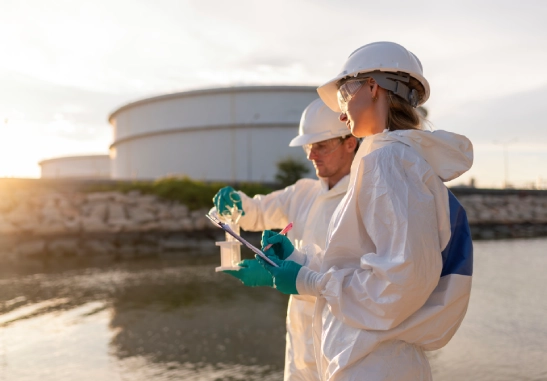
Electronics & Surface Finishing Industries
Required for electronics manufacturing, electroplating, and rinsing operations where mineral-free water prevents deposits and rejects.
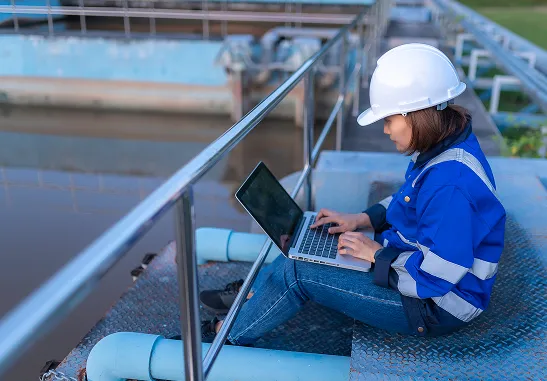
Why Plizma Technology for Engineered De Mineralization Plant (DM Plant)
Plizma Technology delivers engineered De Mineralization (DM) plant systems across India and select neighbouring countries, with strong execution capability, service reach, and operational presence concentrated across Eastern India. DM solutions are developed around detailed raw water ionic analysis, treated water conductivity and silica targets, and regeneration strategy — not standard exchanger packages. Skid-mounted and modular execution simplifies installation, while process-backed DM engineering ensures leakage control, regeneration efficiency, and stable high-purity output with predictable lifecycle operating cost.

High Efficiency

Eco-Friendly Design

Hassle-Free Installation Process

Customizable Options

Reliable Performance
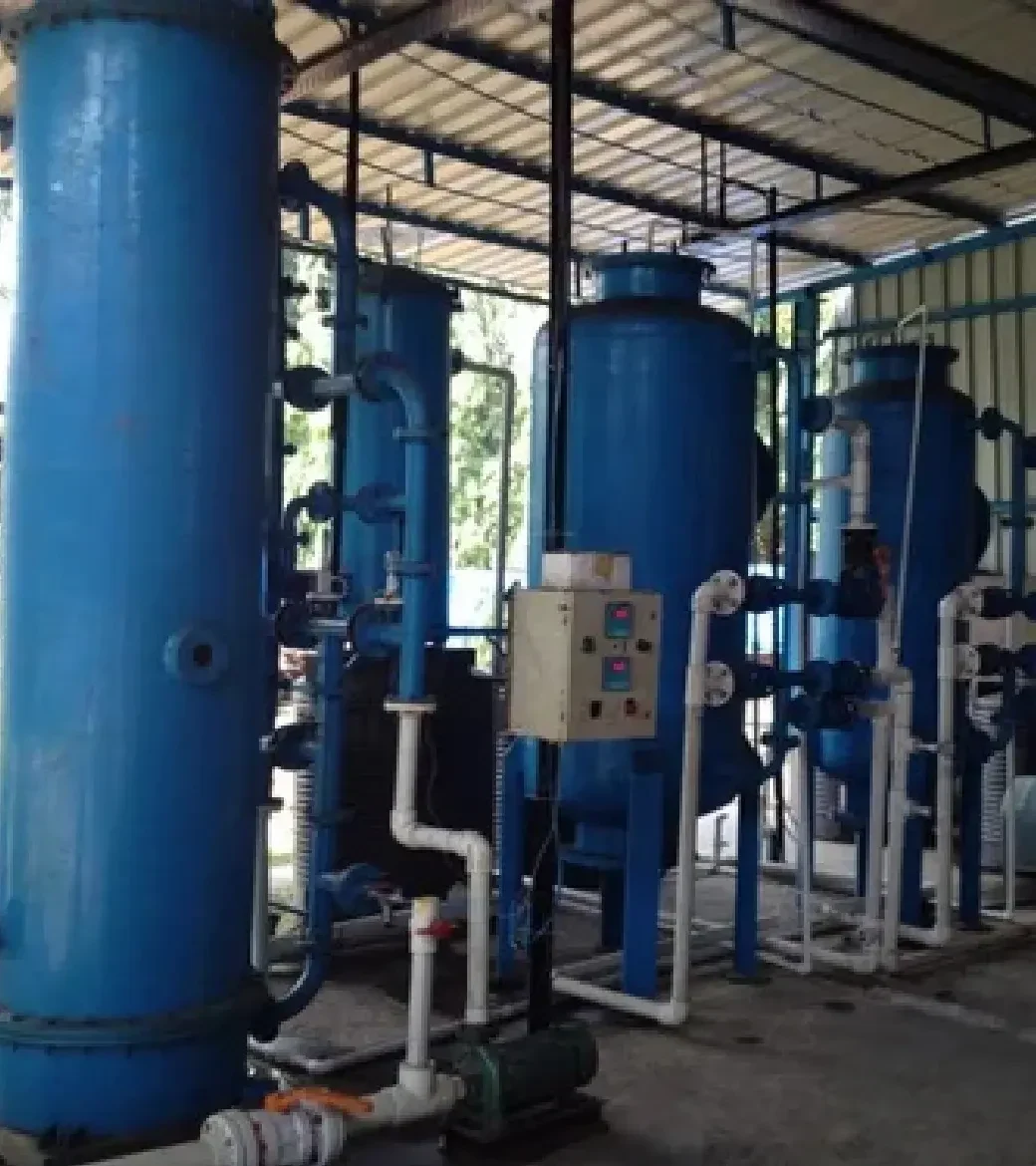
DM Plant Performance, Optimization & Lifecycle Support
De-mineralization (DM) plants, in actual operation, underperform far more often due to system-level issues than resin quality itself, which is why lifecycle support for industrial DM plants becomes critical. The recurring problems we see on site are weak pretreatment control, wrong cation–anion–mixed bed sizing or sequencing, service flow rates pushed outside design windows, and regeneration steps that are either rushed or incorrectly dosed. This usually shows up as silica leakage, rising outlet conductivity, shortened service cycles, excessive acid and caustic consumption, resin fouling from iron or organics, bed channeling, and unstable treated water quality whenever raw water turbidity, TDS, or seasonal chemistry shifts even slightly.
Plizma Technology approaches DM plant performance as a lifecycle problem, not a one-time resin fix with DM plant operation and maintenance support. Support typically starts with a detailed system audit, followed by stage-wise performance testing, resin capacity and fouling evaluation, verification of regeneration doses and rinse-endpoint logic, pretreatment correction where required, and resin replacement planning driven by real operating load data, not assumptions for a DM plant for silica and TDS removal. This method, applied consistently, extends run length, limits leakage, brings chemical consumption back under control, and stabilizes high-purity water output for boiler, process, and power applications where treated water quality cannot fluctuate without operational consequences.
Engineering Scope & Execution Capability
Plizma Technology develops DM plant implementations where each system is engineered around raw water chemistry, purity targets, and operating duty, ensuring dependable high-purity performance under real plant conditions rather than theoretical design assumptions.

Rainwater Treatment
Plizma Technology offers the best rainwater treatment solutions. With the top rainwater harvesting plant in Kolkata, we provide effective solutions like UV sterilization, filtration, and chlorination, ensuring top-quality water for multiple uses.
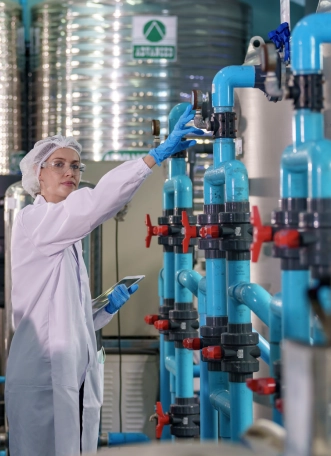
Raw Water Treatment
We offer a raw water treatment plant that includes clarifiers, filtration, chemical feed, and control panels to remove all the contaminants, including bacteria, iron, hardness, and silica.
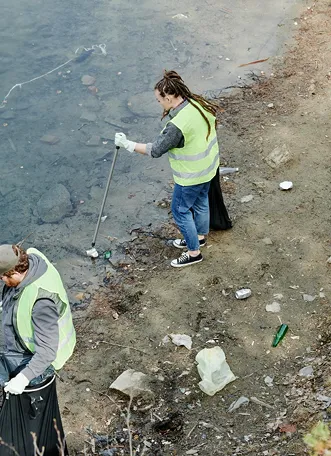
Municipal Waste Treatment
Plizma Technology is a leading municipal wastewater treatment service in Kolkata. We provide municipal waste solutions like sludge treatment, reusable material recovery, and sanitization technologies.
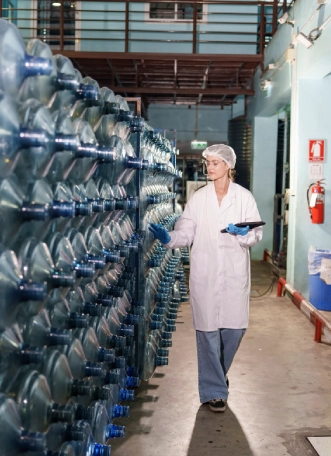
Desalination
Plizma Technology offers budget-friendly methods and produces water with a lower salt content. We have different techniques like reverse osmosis and electro-dialysis.

Water Treatment Plant
We offer a water treatment plant that improves the quality of water. Our solutions include industrial water supply, restoring ecological resources, and clean drinking water.
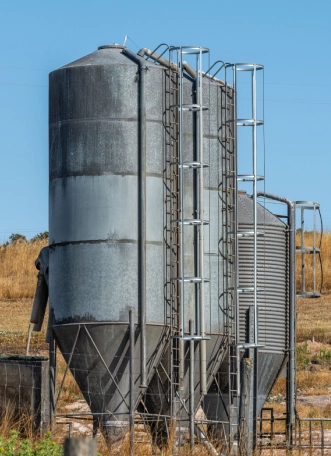
Rural Drinking Water Treatment
We provide the best rural water treatment in Kolkata. Our solutions include treating water from tube wells and rivers to remove harmful contaminants such as sewage, iron, and fluoride.
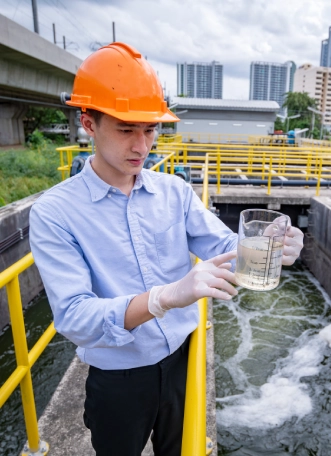
Urban Drinking Water Treatment
We are the leading company for providing urban drinking water treatment in Kolkata. We offer solutions such as ultrafiltration, reverse osmosis, ozonation, electrochlorination, and resin-based purification.
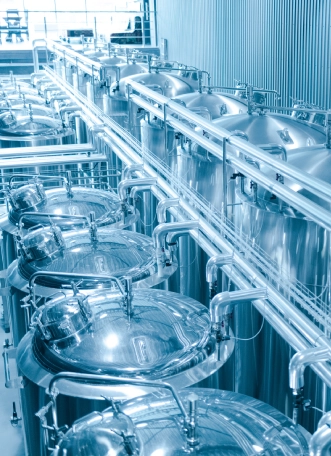
Process Separation & Purification
We apply membrane and ion exchange processes to separate, purify, and concentrate fluids across various industries. Our key applications include brine softening and silica solution conversion, among others.
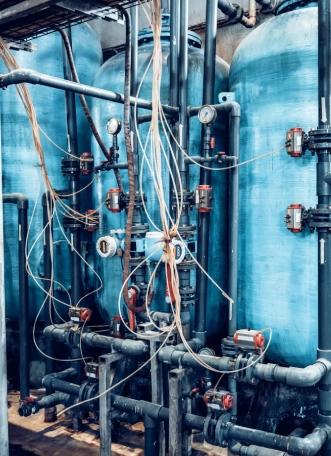
Process & Utility Water Treatment
Plizma Technology offers practical solutions for cooling, boiler, and process water applications using specialized regeneration and high-flow demineralization techniques.

Our Business-Centric Approach for DM Plant Systems!
Plizma Technology delivers De Mineralization (DM) Plant systems using a performance-driven and client-focused approach. Each project is engineered based on actual water chemistry, process demand, and purity targets — not generic templates. Our team emphasizes correct ion-exchange design, regeneration efficiency, and operational reliability while maintaining strict quality and environmental safeguards.
We use proven ion-exchange technology, high-quality resins, and certified components, with options for automation and mixed bed upgrades. Strong execution practices and technical rigor make us a reliable DM Plant provider in Kolkata, serving West Bengal, Bihar, Odisha, Jharkhand, Chhattisgarh, and North Eastern states of India. We support clients with design, upgrades, and performance optimization.
Have More Questions?
Feel free to reach us with all your custom queries if you don’t find the answer to your query in the following questions. We will reply at the earliest: