

Zero Liquid Discharge (ZLD) Systems
 Free Site Assessment

Handling High TDS or Planning for Zero Liquid Discharge?
ZLD systems work well only when the entire process is balanced — from pretreatment to final recovery.
With high TDS and complex wastewater, ZLD systems often face issues like scaling, unstable recovery, and high energy consumption. In many cases, the challenge isn’t just the evaporator or RO — it starts from upstream treatment and overall system design.
That’s why we usually look at the complete process — wastewater characteristics, variation in load, and existing treatment stages — before suggesting a ZLD approach that can actually sustain in real operating conditions.
✔ Designed around actual wastewater profile (TDS, COD, flow variation)
✔ Focus on scaling control and stable long-term recovery
✔ Optimized for practical energy and operating cost
✔ Integrated approach: ETP + RO + Evaporation working together
✔ Suitable for new ZLD setups and existing system improvement
If you’re already evaluating ZLD or facing performance issues, sharing a few basic details can help in understanding what approach would work and what to expect in terms of cost and operation.
You can also explore our ZLD and related projects to see how these systems perform in actual sites.
How Does Our Zero Liquid Discharge (ZLD) System Work?
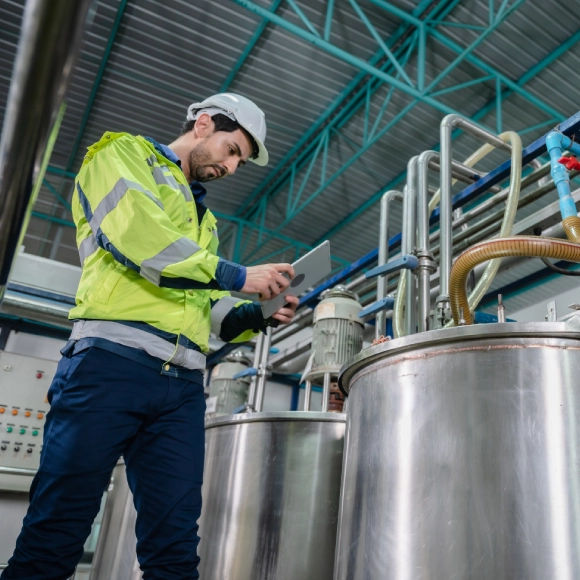
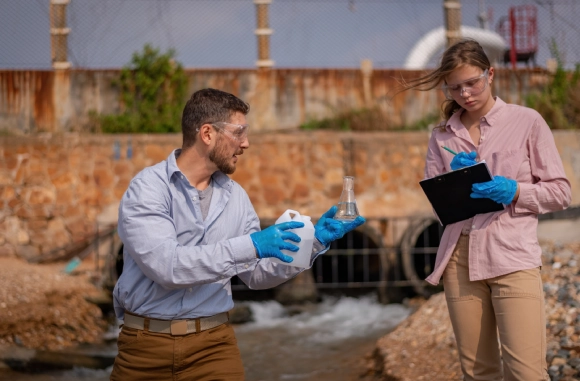
ZLD systems don’t work on templates. They have to be designed from actual wastewater data, because effluent quality and load swings are never the same across industries as part of a CPCB compliant Zero Liquid Discharge system. At Plizma Technology, every ZLD starts with wastewater analysis and mass balance, not assumptions. Parameters like TDS, COD, hardness, silica, oil & grease, heavy metals, scaling risk, and peak flow decide the entire process—pre-treatment, RO staging, recovery limits, evaporator and crystallizer sizing, and energy demand for a membrane and thermal based ZLD system. Skip this step and problems show up fast: fouling, scaling, poor recovery control, unstable thermal operation. Fabrication is kept controlled so the design doesn’t get diluted on site.
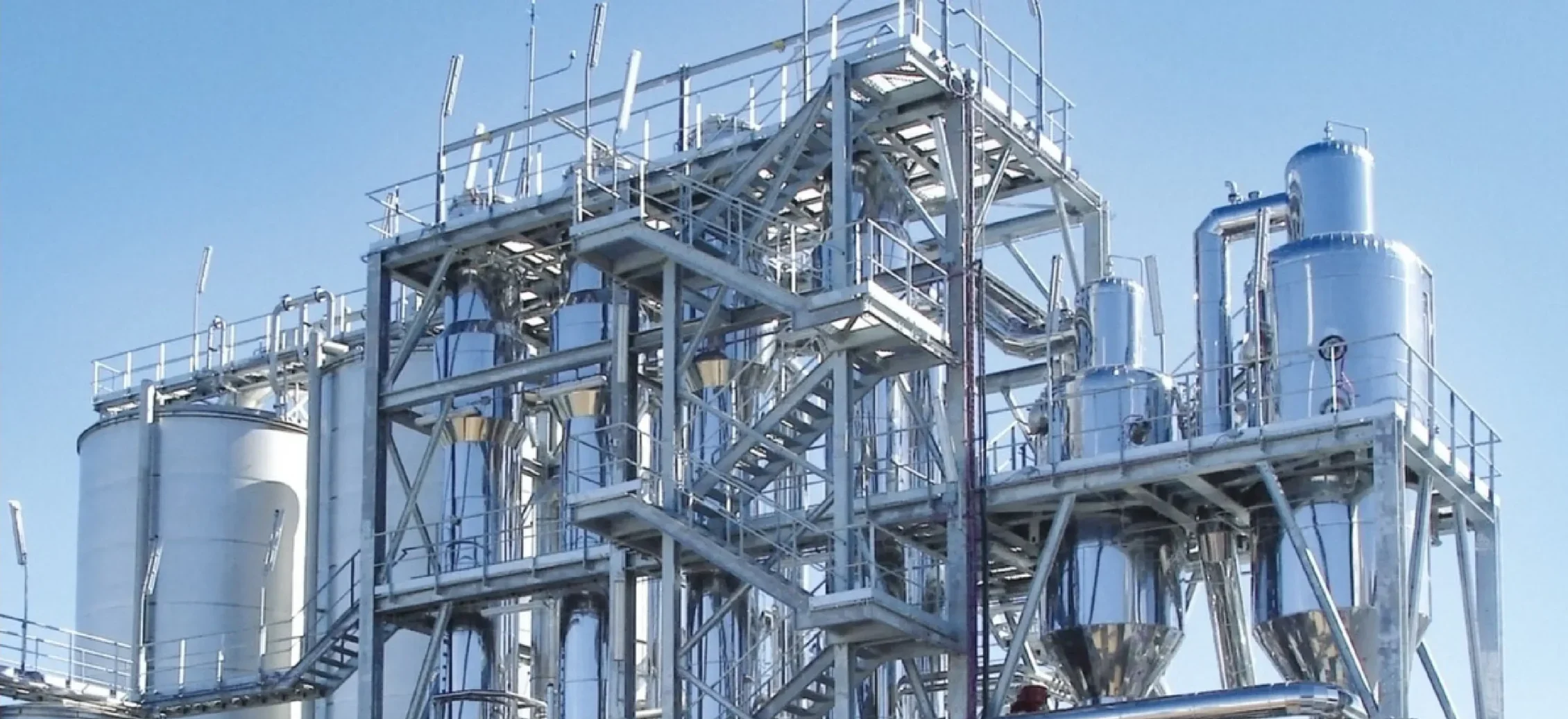
The ZLD train works in stages under SPCB approved ZLD plant execution logic. After equalization and physico-chemical treatment, water moves through UF and multi-stage RO for maximum reuse. The high-TDS reject goes to evaporators and crystallizers as a ZLD system with RO evaporator and crystallizer, where water is recovered and salts come out as solids. Condensate is polished and reused, solids disposed as per norms.
What keeps ZLD stable is not theoretical recovery, but recovery control, fouling management, and energy efficiency. Design focuses on antiscalant strategy, brine limits, heat integration, automation, and maintenance access, built for real operating conditions, not lab cases. Plizma Technology delivers ZLD systems with field-ready engineering, process accountability, and long-term operability where zero discharge is not optional.

Pre-Treatment & Equalization
Effluent is screened, neutralized, and balanced to handle flow and quality variations before advanced treatment.

Primary & Chemical Treatment
Suspended solids, oil, and heavy metals are removed using coagulation, flocculation, and clarification.

Membrane Recovery (UF / RO)
Membrane systems recover maximum clean water and separate high-TDS concentrate.

Evaporation Stage
RO reject is sent to evaporators where water is further recovered through thermal concentration.

Crystallizer & Salt Handling
Final concentrate is converted into solid salts for safe disposal, achieving zero liquid discharge.
Key Market Segments for This Product
Zero Liquid Discharge (ZLD) Systems have multiple applications. The most common ones are listed below.



Additional Unique Selling Propositions (USPs)
- Custom-Engineered: Designed on actual effluent quality & plant conditions
- Proven ZLD Execution: Hands-on experience with real industrial wastewater
- High-Recovery: Integrated RO + Evaporation + Crystallization
- Tough-Stream Ready: Handles high TDS, COD & mixed effluents
- Compliance-Ready: Meets CPCB & zero-discharge norms reliably
- Scaling-Controlled: Designed to reduce fouling, scaling & downtime
- Energy-Conscious: Optimized evaporation and operating cost
- Salt-Managed: Practical reject & salt handling built into design
- Expandable: Modular system for future capacity increase
- Long-Term Stable: Built for consistent recovery & lifecycle performance
Applications of Zero Liquid Discharge (ZLD) Systems
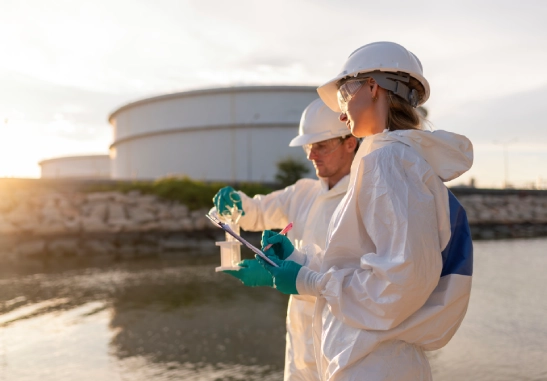
ZLD systems ensure complete wastewater recovery and eliminate liquid discharge where strict regulatory limits, high dissolved solids, and water reuse requirements make conventional treatment and discharge methods insufficient.
Chemical & Pharmaceutical Industries
Used where high TDS, toxic, and complex effluents require full recovery and zero discharge compliance.
Textile & Dyeing Units
Applied to treat color-heavy wastewater and recover reusable process water.
Power Plants & Refineries
Suitable for high-volume wastewater streams with strict environmental discharge norms.
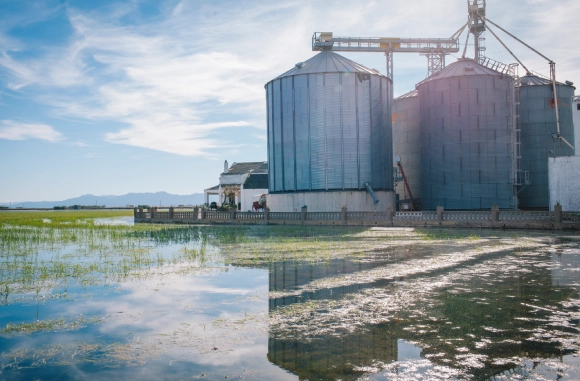
Food Processing & Specialty Manufacturing
Helps achieve water reuse targets and reduce freshwater dependency.
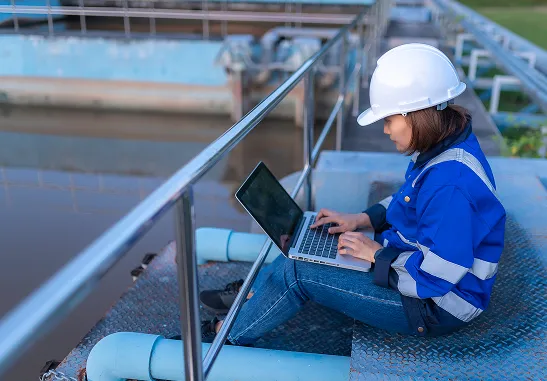
Why Plizma Technology for Engineered Zero Liquid Discharge (ZLD) Systems
Plizma Technologies delivers engineered Zero Liquid Discharge (ZLD) systems across India and select neighbouring countries, with strong execution capability, service reach, and operational presence concentrated across Eastern India. ZLD solutions are developed around wastewater chemistry, recovery objectives, and regulatory discharge requirements rather than generic packaged configurations. Modular and process-integrated execution simplifies implementation, while engineering-driven ZLD design ensures recovery efficiency, compliance assurance, and controlled lifecycle operating costs.

High Efficiency

Eco-Friendly Design

Hassle-Free Installation Process

Customizable Options

Reliable Performance
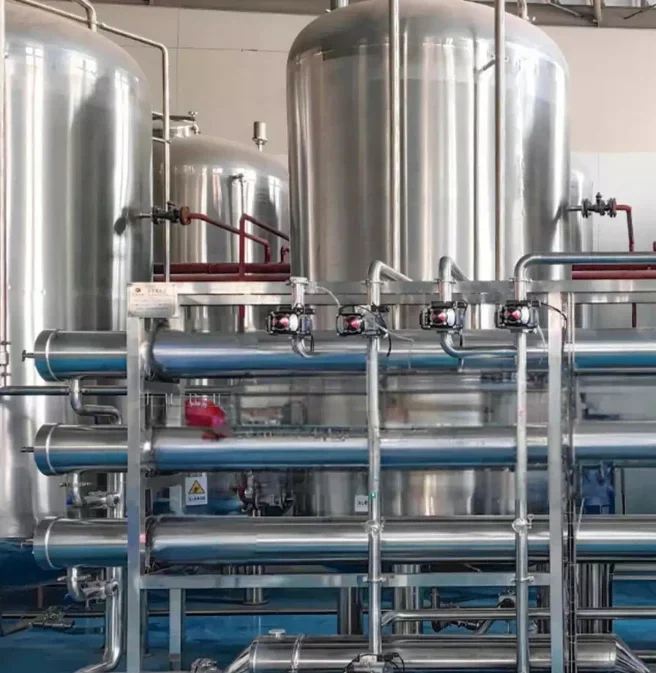
ZLD Performance & Lifecycle Support
Long-term Zero Liquid Discharge (ZLD) system performance depends on integrated process engineering rather than evaporator or RO selection alone, supported by lifecycle support for ZLD systems. Most system instability originates from incomplete wastewater characterization, improper staging between pre-treatment, membrane concentration, and thermal units, hydraulic imbalance across recovery loops, and operation beyond sustainable recovery and scaling limits. These gaps typically increase membrane fouling rates by 30–50%, raise evaporator loading by 15–25%, and increase steam and power consumption by 10–20%, while also destabilizing crystallization behavior and increasing chemical usage and maintenance frequency by 20–35%.
Plizma Technology designs and supports ZLD systems through application-specific engineering focused on recovery efficiency, equipment protection, and lifecycle cost control with ZLD plant operation and maintenance support. Our approach aligns treatment stage selection with hydraulic load balancing, redundancy planning, heat and energy optimization, and operating envelope definition based on real influent variability — typically improving overall water recovery by 8–20% and extending membrane service life by 25–40%. We also execute performance-driven upgrades and retrofits for existing ZLD plants to reduce scaling and fouling risks by up to 40%, lower operating costs by 12–28%, and strengthen long-term compliance reliability toward 95–99% operational stability across diverse industrial applications.
Engineering Scope & Execution Capability
Plizma Technology develops solution-driven implementations where each product is integrated based on site conditions, operating objectives, and regulatory requirements, ensuring practical performance rather than theoretical efficiency.

Rainwater Treatment
Plizma Technology offers the best rainwater treatment solutions. With the top rainwater harvesting plant in Kolkata, we provide effective solutions like UV sterilization, filtration, and chlorination, ensuring top-quality water for multiple uses.
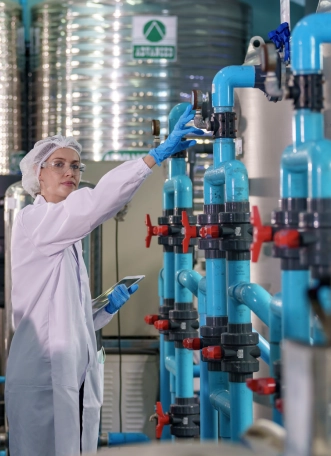
Raw Water Treatment
We offer a raw water treatment plant that includes clarifiers, filtration, chemical feed, and control panels to remove all the contaminants, including bacteria, iron, hardness, and silica.
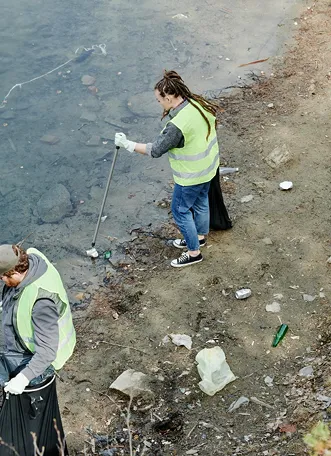
Municipal Waste Treatment
Plizma Technology is a leading municipal wastewater treatment service in Kolkata. We provide municipal waste solutions like sludge treatment, reusable material recovery, and sanitization technologies.
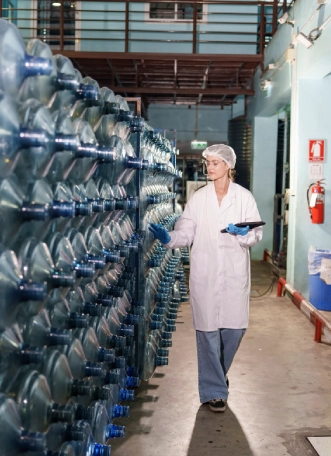
Desalination
Plizma Technology offers budget-friendly methods and produces water with a lower salt content. We have different techniques like reverse osmosis and electro-dialysis.

Water Treatment Plant
We offer a water treatment plant that improves the quality of water. Our solutions include industrial water supply, restoring ecological resources, and clean drinking water.
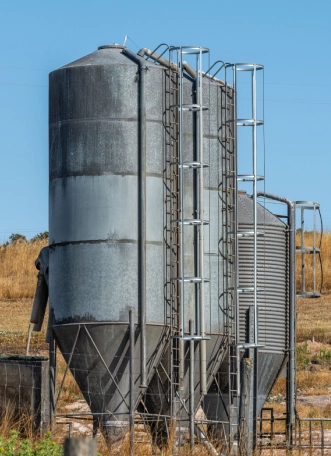
Rural Drinking Water Treatment
We provide the best rural water treatment in Kolkata. Our solutions include treating water from tube wells and rivers to remove harmful contaminants such as sewage, iron, and fluoride.
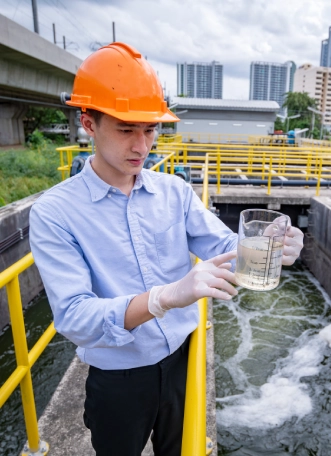
Urban Drinking Water Treatment
We are the leading company for providing urban drinking water treatment in Kolkata. We offer solutions such as ultrafiltration, reverse osmosis, ozonation, electrochlorination, and resin-based purification.
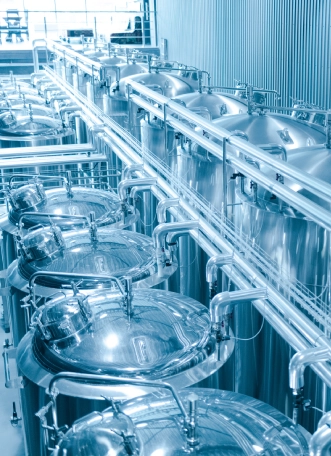
Process Separation & Purification
We apply membrane and ion exchange processes to separate, purify, and concentrate fluids across various industries. Our key applications include brine softening and silica solution conversion, among others.
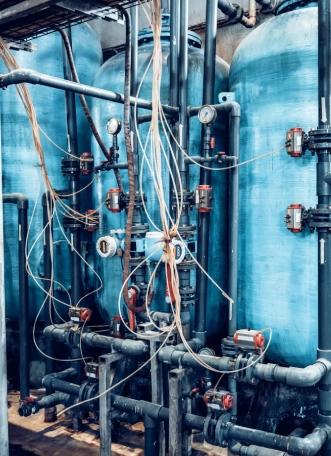
Process & Utility Water Treatment
Plizma Technology offers practical solutions for cooling, boiler, and process water applications using specialized regeneration and high-flow demineralization techniques.
Our ZLD-Centric Approach!
Plizma Technology follows a process-driven and industry-focused approach for Zero Liquid Discharge (ZLD) systems. Every project is treated as unique, and solutions are engineered based on actual wastewater characteristics, recovery targets, and compliance requirements. Our expert team prioritizes process reliability, safety, and long-term operability without compromising on quality or environmental responsibility.
We provide ZLD systems across India and neighbouring countries, with particularly strong execution capability across Eastern India including Kolkata, Bhubaneswar, Ranchi, Jamshedpur, Patna, Guwahati, and nearby industrial cities. We use proven and modern ZLD technologies with flexibility for future capacity and technology upgrades. Core equipment is selected from trusted manufacturers and integrated through strong process engineering, supported by end-to-end execution and lifecycle service support.
Have More Questions?
Feel free to reach us with all your custom queries if you don’t find the answer to your query in the following questions. We will reply at the earliest: