


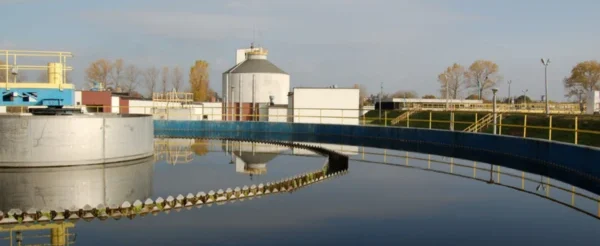
Wastewater Treatment (WWTP) Soultions
 Free Site Assessment

ETP / STP Not Meeting Standards?
Unstable output, odour issues, or constant compliance pressure? Every day it stays unresolved adds to your operating cost and regulatory risk.
📞 Call Now: +91 89106 93970
for a FREE Consultation & Site Assessment
👉 Click above to book your Free Site Visit — our engineer will inspect your system on-site and pinpoint exactly what’s causing the problem.
Facing issues with your ETP/STP system? Across India and Bangladesh, many ETP / STP / WWTP systems struggle due to high COD/BOD, colour, TDS, and frequent load variation — leading to unstable output, odour issues, and constant compliance pressure.
We design systems based on actual wastewater characteristics and site conditions — not just lab assumptions — so performance stays stable in real operations, not just during inspection.
✔ Designed on your actual effluent profile
✔ Handles shock load and seasonal variation
✔ Right process selection (MBBR / SBR / MBR / ASP)
✔ Suitable for new installation or fixing existing plants
✅ Free Site Visit
✅ Free Consultation
✅ Realistic Costing
Share your requirement (flow, industry, or issue) today — our expert will call you back with a practical solution, no obligation.
How Does Our Industrial WWTP / ETP System Work?
Industrial wastewater is never the same. In textile and process industries across India and Bangladesh, load, colour, COD/BOD, and flow keep changing — which is why standard designs often fail.
We start with your actual wastewater data — parameters like BOD, COD, TSS, pH, oil & grease, TDS, and metals. Based on this, we define the right process, sizing, and treatment sequence for stable performance.
The system is designed in stages:
✔ Screening & Equalization – stabilizes flow and load
✔ Primary Treatment – removes solids, colour & chemical load
✔ Biological Treatment – MBBR / SBR / MBR / ASP as required
✔ Tertiary Treatment – filtration, UF or RO for final polishing
Proper equalization, controlled dosing, and balanced biological design help the plant handle variation without frequent issues.
Automation and sludge management are planned to keep operation simple, reduce dependency, and maintain consistent compliance.
With execution support from Kolkata and experience across India and Bangladesh, the focus stays on real performance — not just initial commissioning.

SCREENING & PRE-TREATMENT
Removes debris, oil, grease, and grit to protect equipment and ensure smooth downstream operation.

EQUALIZATION & pH CONTROL
Balances flow, load, and pH to stabilize treatment.

PRIMARY PHYSICO-CHEMICAL TREATMENT
Removes suspended and colloidal pollutants via coagulation, flocculation, and clarification.

BIOLOGICAL TREATMENT
Reduces BOD/COD through controlled biological processes.

TERTIARY / POLISHING TREATMENT
Polishes effluent to meet discharge or reuse standards.
Key Market Segments for This Product
Industrial Wastewater Treatment (WWTP) have multiple applications. The most common ones are listed below.



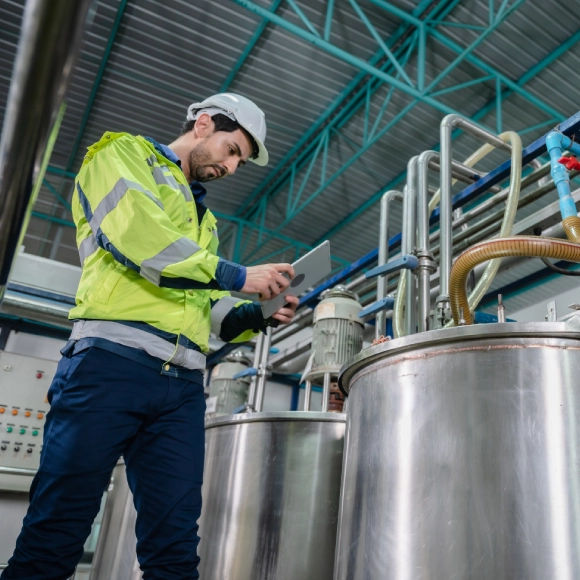
Key Advantages
- Effluent-Based Design
- Handles High COD & TDS
- Textile-Ready Solutions
- Stable Under Load Variation
- Integrated Treatment Approach
- Low Operating Cost
- Automation-Ready
- Built for Long-Term Compliance
Applications of Industrial Wastewater Treatment (WWTP)
Industrial WWTP systems are applied where variable flow, high pollutant loads, toxic or inhibitory compounds, and strict discharge or reuse norms make direct discharge or conventional treatment processes operationally unreliable.
CHEMICAL & PHARMA INDUSTRIES
Designed for toxic, high-COD, and variable pH effluents where controlled physico-chemical and biological treatment is required.
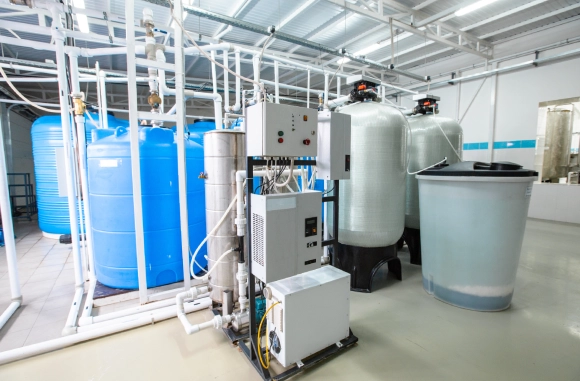
INDUSTRIAL PROCESS EFFLUENT TREATMENT
WWTP systems are used to treat high-strength process wastewater from manufacturing units to meet discharge and reuse norms.
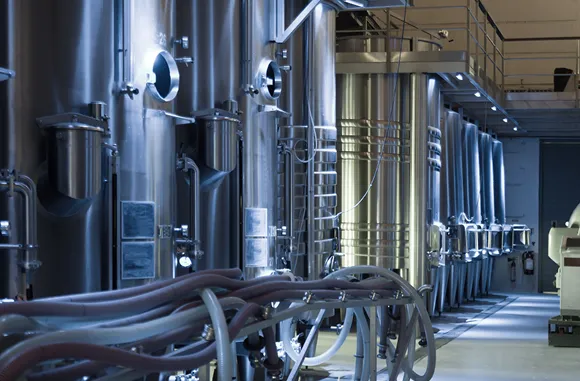
TEXTILE & DYEING UNITS
Removes color, chemicals, and dissolved contaminants using combined chemical and advanced treatment stages.
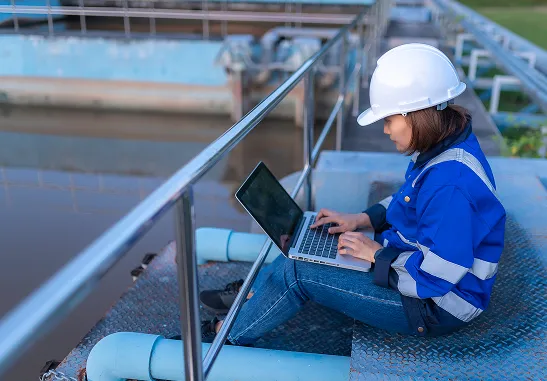
Why Choose Plizma Technology For Top-Class Industrial Wastewater Treatment (WWTP) From Us
Plizma Technology is known as a dependable Industrial Wastewater Treatment (WWTP / ETP) manufacturer with strong execution across Eastern India and Bangladesh, handling real industrial effluents — not textbook wastewater. The systems are engineered using a practical combination of physical, chemical, biological, and advanced treatment processes to control high BOD, COD, TSS, color, oil & grease, and complex contaminants in line with Bangladesh environmental standards and CPCB/SPCB norms in India.
Each plant is designed for stability under variable flow and load conditions, which are common in textile and industrial operations. Focus remains on consistent compliance, water recovery, and long-term operational reliability — supported by automation, controlled chemical dosing, and maintenance-friendly layouts developed from actual site conditions, not assumptions.

High Efficiency

Eco-Friendly Design

Hassle-Free Installation Process

Customizable Options

Reliable Performance
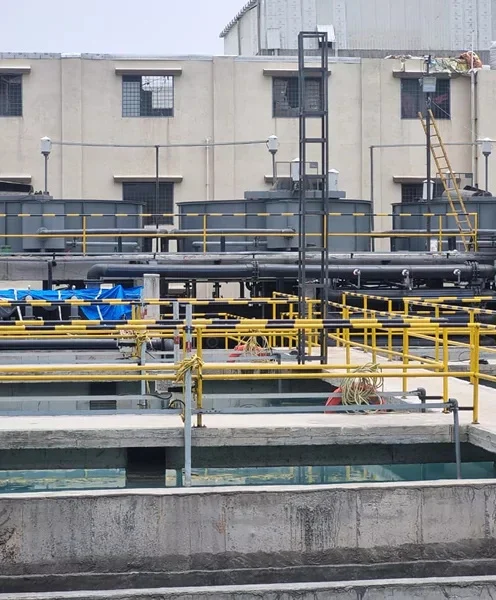
WWTP / ETP / STP Performance & Lifecycle Support
Stable WWTP / ETP performance depends on proper wastewater analysis, hydraulic balance, and correct process integration — not just equipment replacement. In textile and industrial plants across Bangladesh and India, failures often come from poor equalization, load variation, and weak process design.
Our EPC and retrofit approach starts with plant audit — covering COD, BOD, TSS, TDS, color, flow variation, HRT, and aeration performance. Based on this, we optimise equalization, biological process (MBBR / SBR / MBR / ASP), chemical dosing, and tertiary treatment.
Scope includes design correction, retrofit execution, equipment integration, automation tuning, and performance trials under actual conditions — ensuring stable compliance and reliable operation.
Focus is on long-term stability, lower operating cost, and consistent performance — not just temporary compliance.
Engineering Scope & Execution Capability
Plizma Technology provides top-notch solutions to use our products effectively and efficiently. Let’s explore.

Rainwater Treatment
Plizma Technology offers the best rainwater treatment solutions. With the top rainwater harvesting plant in Kolkata, we provide effective solutions like UV sterilization, filtration, and chlorination, ensuring top-quality water for multiple uses.
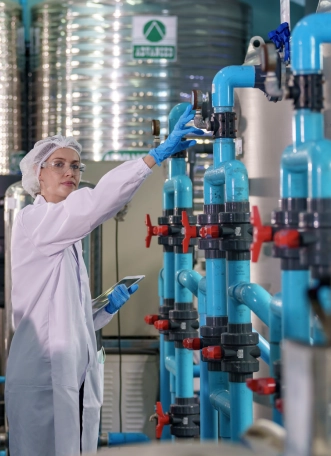
Raw Water Treatment
We offer a raw water treatment plant that includes clarifiers, filtration, chemical feed, and control panels to remove all the contaminants, including bacteria, iron, hardness, and silica.
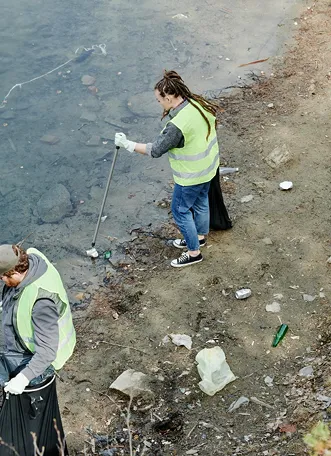
Municipal Waste Treatment
Plizma Technology is a leading municipal wastewater treatment service in Kolkata. We provide municipal waste solutions like sludge treatment, reusable material recovery, and sanitization technologies.
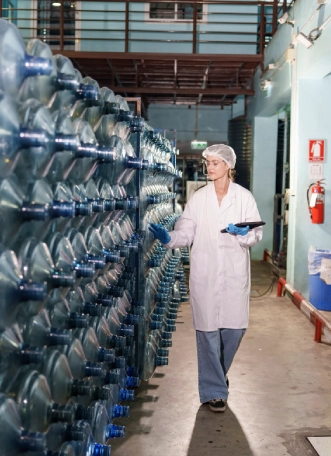
Desalination
Plizma Technology offers budget-friendly methods and produces water with a lower salt content. We have different techniques like reverse osmosis and electro-dialysis.

Water Treatment Plant
We offer a water treatment plant that improves the quality of water. Our solutions include industrial water supply, restoring ecological resources, and clean drinking water.
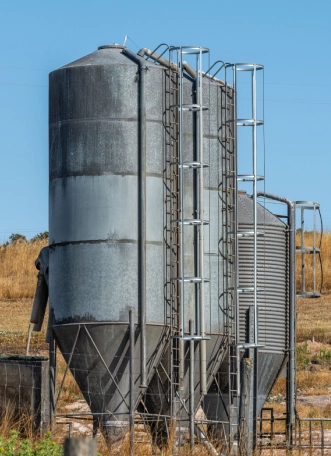
Rural Drinking Water Treatment
We provide the best rural water treatment in Kolkata. Our solutions include treating water from tube wells and rivers to remove harmful contaminants such as sewage, iron, and fluoride.
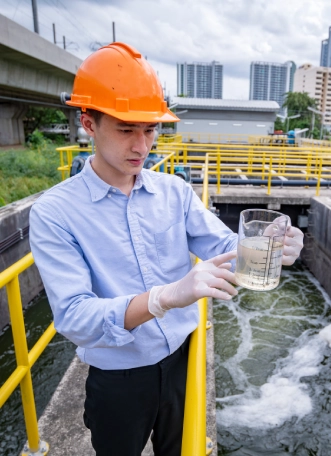
Urban Drinking Water Treatment
We are the leading company for providing urban drinking water treatment in Kolkata. We offer solutions such as ultrafiltration, reverse osmosis, ozonation, electrochlorination, and resin-based purification.
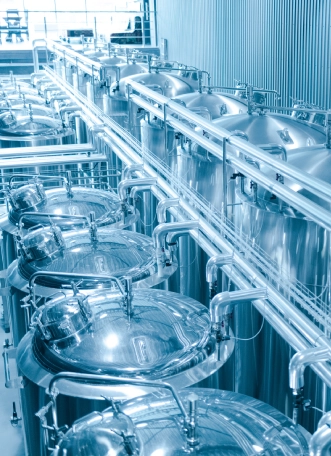
Process Separation & Purification
We apply membrane and ion exchange processes to separate, purify, and concentrate fluids across various industries. Our key applications include brine softening and silica solution conversion, among others.
Process & Utility Water Treatment
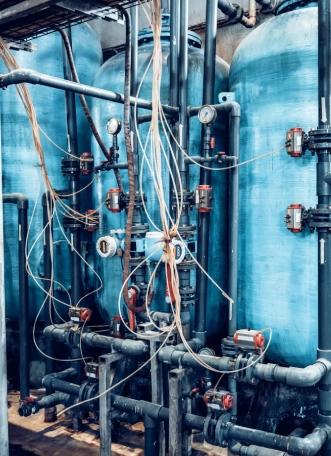
Plizma Technology offers practical solutions for cooling, boiler, and process water applications using specialized regeneration and high-flow demineralization techniques.
Our WWTP-Centric Approach
Plizma Technology follows a process-first, compliance-focused approach for Industrial Wastewater Treatment Plants. Each system is developed after understanding actual effluent quality, process variation, load fluctuation, discharge requirements, and reuse or ZLD objectives — rather than relying on standard assumptions.
The focus remains on achieving stable treatment performance, controlled plant operation, and minimizing operational issues after commissioning.
We integrate physical, chemical, biological, and advanced treatment stages with practical equipment selection, flexible layouts, and provision for future expansion or stricter norms. Designs are kept adaptable, considering that industrial loads and regulatory requirements evolve over time.
This execution-oriented approach has supported projects across Eastern India and Bangladesh, with consistent focus on long-term performance and compliance reliability under real operating conditions.
Have More Questions?
Feel free to reach us with all your custom queries if you don’t find the answer to your query in the following questions. We will reply at the earliest: