


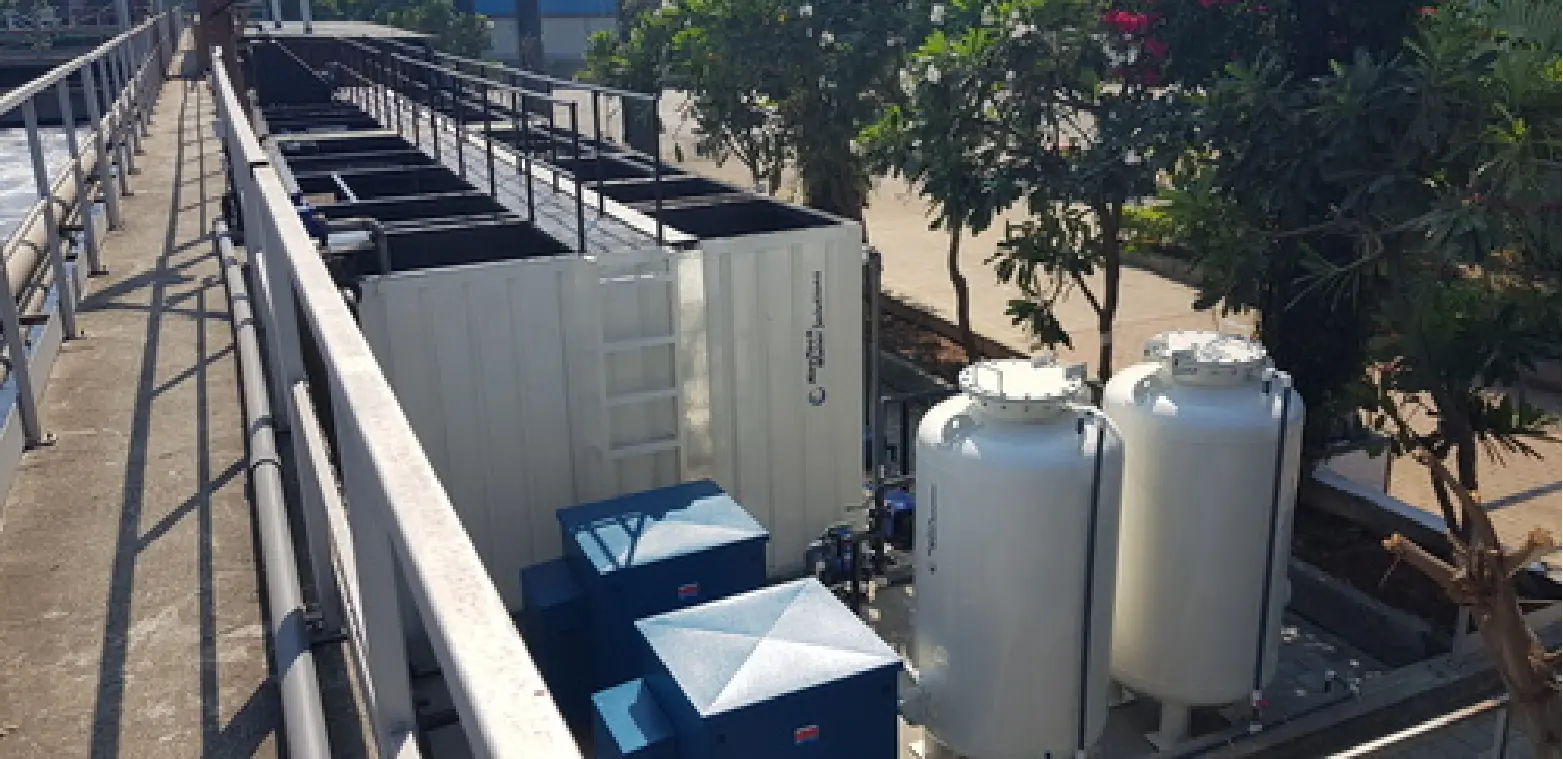
MBBR Sewage Treatment Plant
 Free Site Assessment

Need an STP That Handles Load Variation Without Issues?
MBBR systems are often preferred where flow and load keep changing, but stable performance is still required.
In many sites, sewage flow is not constant — occupancy changes, peak usage varies, and load fluctuates. That’s where MBBR-based Sewage Treatment Plants (STP) work well, as they can handle variation without frequent instability.
Instead of designing only for ideal conditions, we usually consider actual usage patterns, load variation, and site limitations. This helps in building a system that remains stable over time, with fewer operational issues.
✔ Handles flow and load variation more smoothly
✔ Stable biological treatment using biofilm media
✔ Lower dependency on constant operator control
✔ Modular setup – easier to expand or upgrade
✔ Suitable for both new installations and improvements
If you’re planning a new setup, increasing capacity, or facing issues with your current STP, sharing a few basic details can help in understanding what approach would work best.
You can also explore our
executed projects to see how similar systems perform on-site.
How Does Our MBBR Sewage Treatment Plant Work?
An MBBR Sewage Treatment Plant works on an attached-growth biological concept, where partially treated sewage enters an aeration tank filled with floating bio-carrier media made from high-density polyethylene, supported by turnkey MBBR STP project company execution and MBBR STP operation and maintenance support. These carriers usually occupy around 40–60% of the reactor volume, moving freely inside the tank. Their job is simple but critical, they offer a very large protected surface area where microorganisms grow as biofilm and stay retained even when load keeps changing. This attached biomass allows efficient breakdown of organic pollutants, giving consistent BOD and COD reduction, while also supporting nitrification when dissolved oxygen is maintained properly.
Aeration inside the reactor serves two purposes at once, it keeps the media in constant motion and supplies oxygen required for aerobic biological reactions. As the biofilm grows thicker, excess biomass naturally shears off due to media movement, which keeps the system balanced without any need for sludge recirculation. The biologically treated wastewater then flows into a secondary clarifier, where the detached solids settle by gravity. Clear treated water moves forward for discharge or reuse treatment, while low sludge generation, stable performance, and tolerance to hydraulic or organic load variations make MBBR systems especially suitable for compact sites and space-limited installations.

Sewage Inlet to MBBR Reactor
Pretreated sewage enters the aeration reactor after screening and grit removal, ensuring stable hydraulic conditions inside the tank.

Aeration Tank with Bio-Carrier Media
The reactor contains HDPE bio-carrier media occupying about 40–60% of tank volume, moving freely and providing large protected surface area for biofilm growth.

Biological Treatment (BOD, COD & Nitrification)
Microorganisms attached on the media biodegrade organic matter under controlled aeration, achieving consistent BOD and COD reduction and supporting nitrification.

Natural Biofilm Shearing & Process Stability
Continuous aeration keeps media in motion, excess biomass shears off naturally, maintaining biological balance without sludge recirculation.

Secondary Clarification & Effluent Outlet
Treated wastewater flows to the secondary clarifier where solids settle by gravity, producing clear effluent suitable for discharge or further reuse treatment.
Key Market Segments for This Product
MBBR Sewage Treatment Plant have multiple applications. The most common ones are listed below.



Additional Unique Selling Propositions (USPs)
- MBBR-Specialized: Proven expertise in biofilm-based treatment
- Custom-Designed: Based on actual sewage characteristics
- Shock-Resistant: Handles load and flow variation smoothly
- Stable: Consistent biological performance over time
- Compliant: Meets CPCB/SPCB discharge & reuse norms
- Simple-Operation: Low complexity, minimal operator dependency
- No-Recirculation: Reduced mechanical and maintenance load
- Energy-Optimized: Efficient aeration for lower running cost
- Cost-Effective: Lower capex and O&M vs advanced systems
- Expandable: Flexible design for future capacity increase
Applications of MBBR Sewage Treatment Plant
MBBR sewage treatment plant systems deliver stable and reliable treatment performance in applications where variable organic loads, hydraulic fluctuations, and limited space make conventional suspended-growth biological processes difficult to operate consistently.
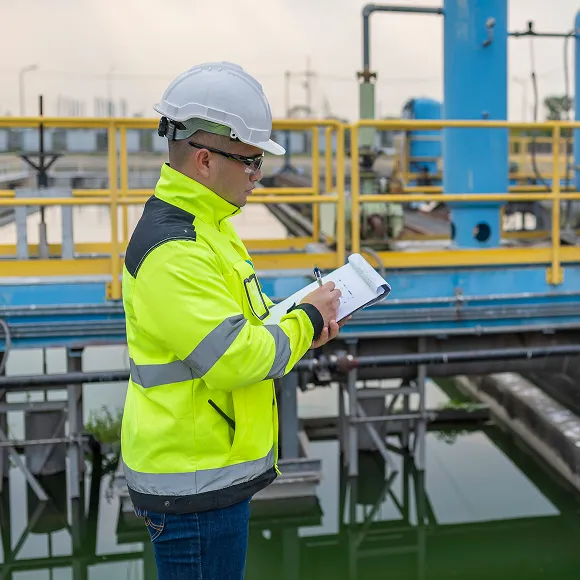
Manufacturing & Process Industries
Used in engineering, FMCG, and process-based industries where sewage load varies with shift patterns and workforce strength.
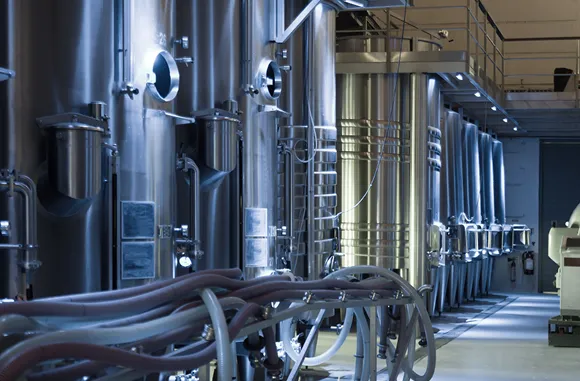
Pharmaceutical & Formulation Plants
Applied where influent characteristics fluctuate and consistent biological performance is required to meet CPCB/SPCB norms.
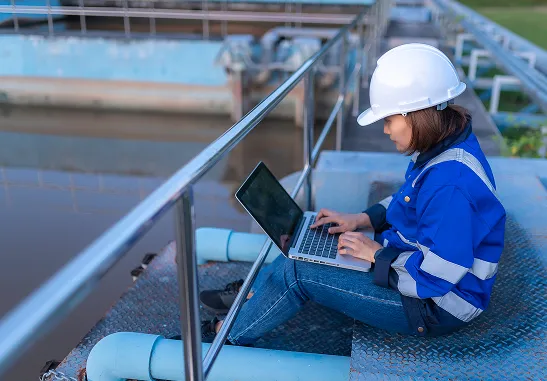
Food & Beverage Processing Units
Suitable for facilities generating high organic sewage loads and requiring stable treatment before discharge or reuse.
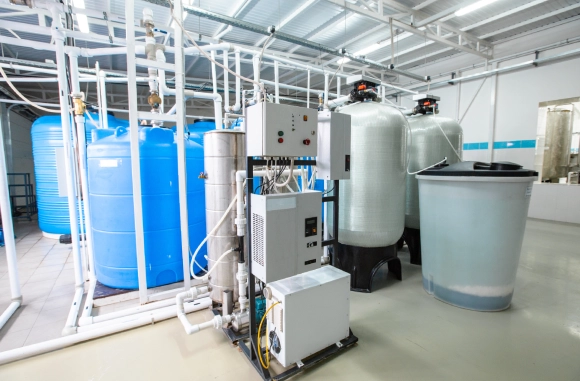
Industrial Parks & Factory Clusters
Installed as centralized sewage treatment systems for multiple industrial units operating within a common infrastructure.
Why Choose Plizma Technology for MBBR Sewage Treatment Plants
Plizma Technology is a trusted MBBR Sewage Treatment Plant manufacturer in India, known for solid execution strength especially across Eastern India. Our MBBR systems consistently deliver reliable biological treatment for industrial and institutional sewage, even when load conditions keep fluctuating, keeping BOD and COD removal stable. Built with simplicity in mind, full regulatory compliance, and long operating life, these plants allow flexible installation, use energy-efficient aeration, and keep delivering steady on-site performance without depending on membranes.

High Efficiency

Hassle-Free Installation Process

Eco-Friendly Design

Reliable Performance

Customizable Options
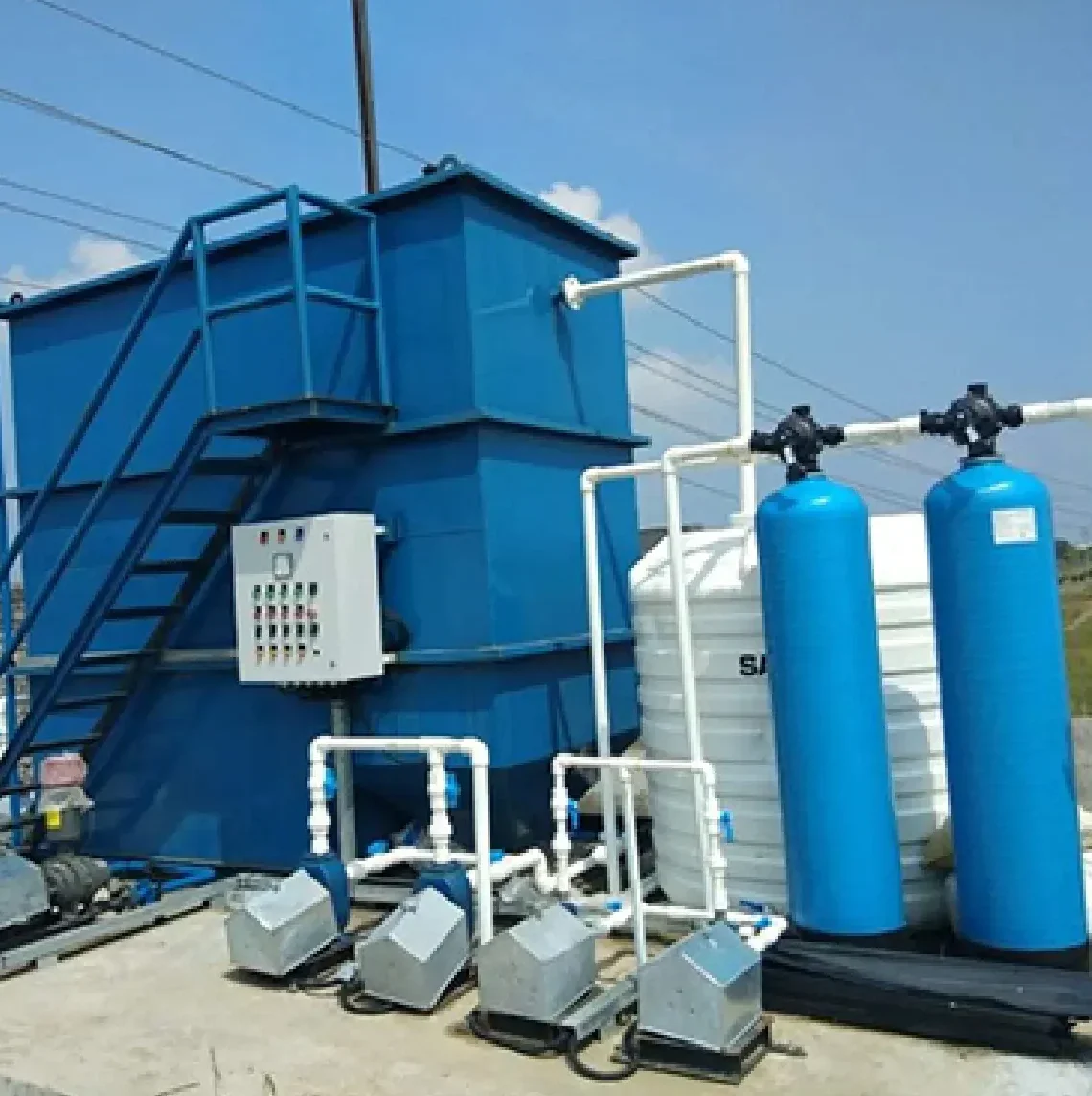
MBBR Sewage Treatment Plant – Design Basis & Execution
Plizma Technology designs and executes industrial MBBR Sewage Treatment Plants as compliance-driven process systems, engineered to meet CPCB and respective State Pollution Control Board discharge or reuse standards. Our plants are designed for continuous operation under variable hydraulic and organic loading conditions typical of industrial facilities, with long-term O&M support for MBBR plants.
The MBBR process design is based on detailed influent characterization, including average and peak flow, BOD, COD, TSS, oil & grease, and nutrient load, as part of an attached growth biological sewage treatment system. Reactor volumes are calculated using required organic loading rates and effective biofilm surface area, with optimized media type and fill fraction to ensure stable attached biomass development. Aeration systems are designed to meet process oxygen demand and mixing requirements while maintaining energy efficiency and operational reliability, supported by long-term O&M support for MBBR plants.
Downstream clarification, filtration, and tertiary treatment units are engineered based on treated water reuse or discharge criteria within the attached growth biological sewage treatment system framework. Sludge generation rates are evaluated at the design stage to ensure adequate sludge handling, thickening, and dewatering provisions with minimal operational intervention and structured long-term O&M support for MBBR plants.
Engineering Scope & Execution Capability
Plizma Technology delivers engineered MBBR sewage treatment solutions designed for efficient operation, stable biological performance, and reliable compliance under real site conditions. Explore below.

Rainwater Treatment
Plizma Technology offers the best rainwater treatment solutions. With the top rainwater harvesting plant in Kolkata, we provide effective solutions like UV sterilization, filtration, and chlorination, ensuring top-quality water for multiple uses.
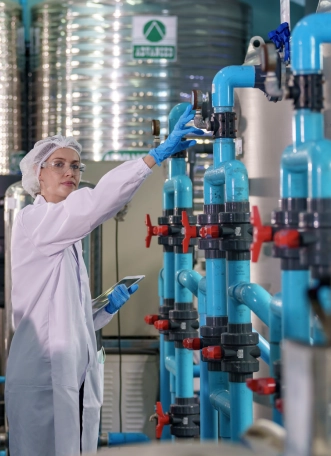
Raw Water Treatment
We offer a raw water treatment plant that includes clarifiers, filtration, chemical feed, and control panels to remove all the contaminants, including bacteria, iron, hardness, and silica.
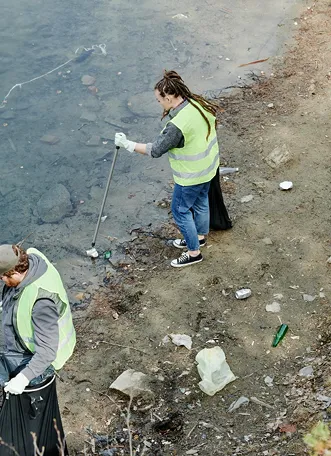
Municipal Waste Treatment
Plizma Technology is a leading municipal wastewater treatment service in Kolkata. We provide municipal waste solutions like sludge treatment, reusable material recovery, and sanitization technologies.
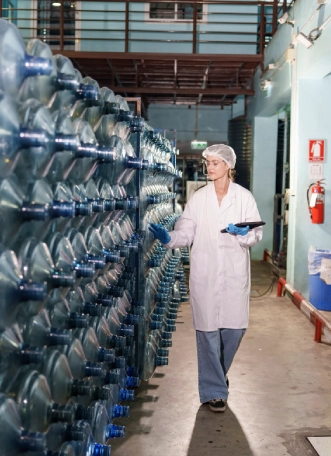
Desalination
Plizma Technology offers budget-friendly methods and produces water with a lower salt content. We have different techniques like reverse osmosis and electro-dialysis.

Water Treatment Plant
We offer a water treatment plant that improves the quality of water. Our solutions include industrial water supply, restoring ecological resources, and clean drinking water.
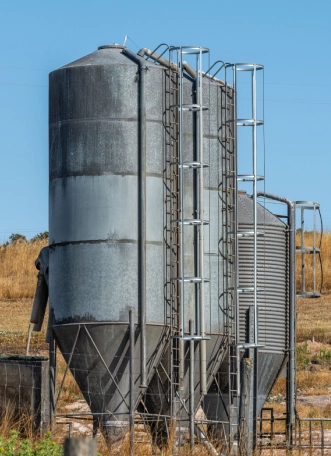
Rural Drinking Water Treatment
We provide the best rural water treatment in Kolkata. Our solutions include treating water from tube wells and rivers to remove harmful contaminants such as sewage, iron, and fluoride.
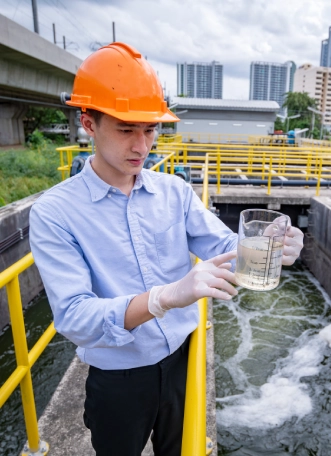
Urban Drinking Water Treatment
We are the leading company for providing urban drinking water treatment in Kolkata. We offer solutions such as ultrafiltration, reverse osmosis, ozonation, electrochlorination, and resin-based purification.
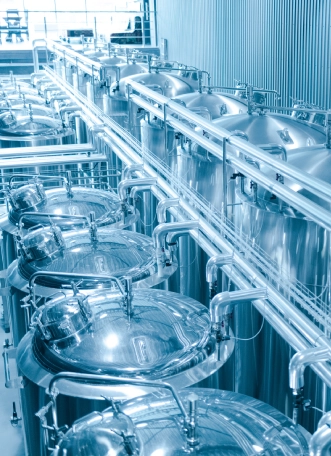
Process Separation & Purification
We apply membrane and ion exchange processes to separate, purify, and concentrate fluids across various industries. Our key applications include brine softening and silica solution conversion, among others.
Process & Utility Water Treatment
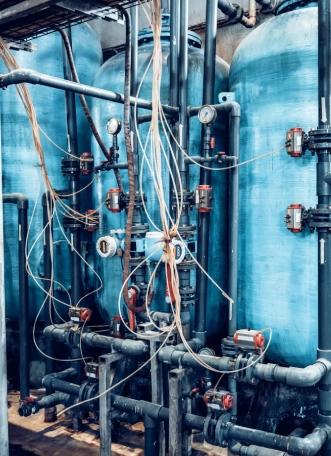
Plizma Technology offers practical solutions for cooling, boiler, and process water applications using specialized regeneration and high-flow demineralization techniques.
Our MBBR-Centric Approach!
Plizma Technology follows a process-driven and compliance-focused approach for MBBR Sewage Treatment Plants. Each system is engineered based on actual sewage characteristics, realistic load variations, and applicable discharge or reuse norms to ensure stable biological performance under real operating conditions.

Have More Questions?
Feel free to reach us with all your custom queries if you don’t find the answer to your query in the following questions. We will reply at the earliest: