


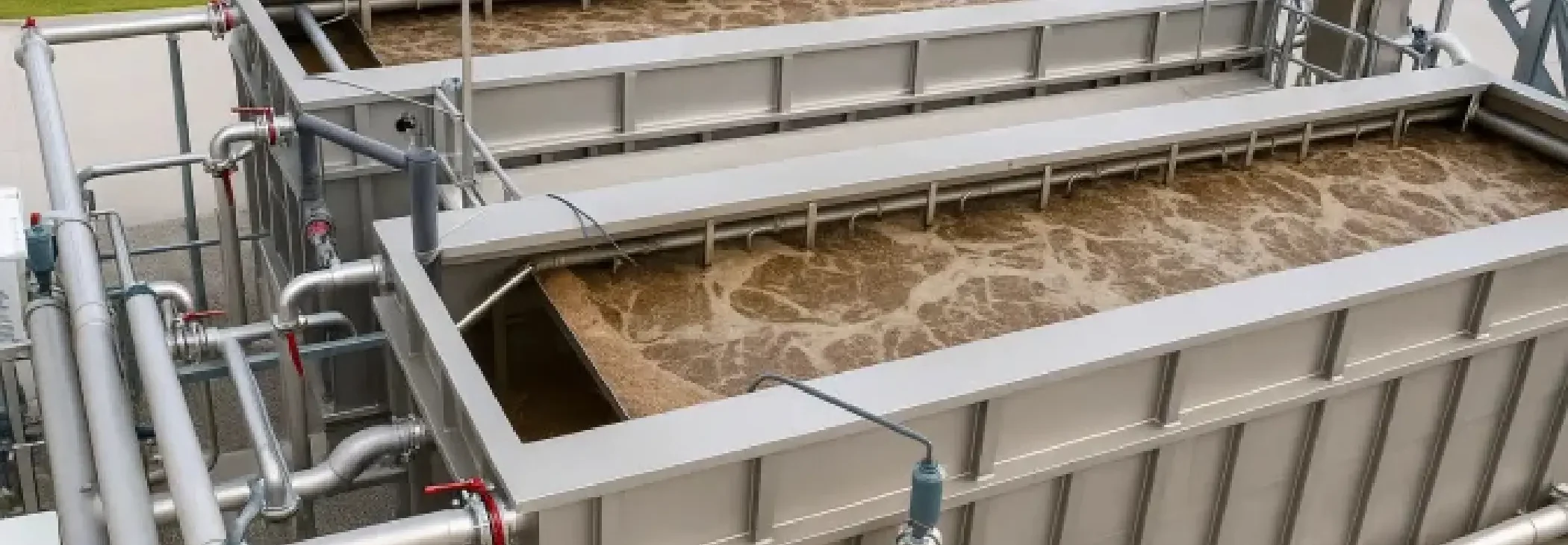
MBR Sewage Treatment Plant
 Free Site Assessment

Limited Space or Need Better Treated Water Quality?
MBR-based systems help achieve high-quality output in a compact setup, especially where reuse is important.
In locations where space is tight and discharge norms are strict, conventional STPs often struggle to deliver consistent results. That’s where MBR-based Sewage Treatment Plants (STP) become a practical option.
Instead of just focusing on installation, we look at how the system will actually run — flow variation, peak usage, and membrane behaviour over time. This helps in avoiding common issues like fouling, unstable output, or frequent maintenance.
✔ Compact system suitable for space-constrained sites
✔ High-quality treated water for reuse applications
✔ Focus on membrane stability and fouling control
✔ Designed around actual flow and usage pattern
✔ Can be used for new setup or upgrading existing STP
If you’re considering MBR or facing limitations with your current system, sharing a few details about your site or requirement can help in understanding what setup would work best.
You can also explore our executed projects to see how similar systems are performing on-site.
How Does Our MBR Sewage Treatment Plant System Work?
MBR Sewage Treatment Plants cannot be designed on assumptions or catalogue numbers, because real sewage never behaves predictably. At Plizma Technology, every MBR system begins with actual wastewater testing and hydraulic load analysis for a CPCB compliant MBR sewage treatment plant. Parameters such as BOD, COD, TSS, oil & grease, ammonia, nutrient load, peak and average flow, and shock load behaviour are evaluated first. These directly define bioreactor sizing, MLSS range, SRT control, membrane flux limits, air scour demand, and blower capacity for a low fouling membrane bioreactor system. Ignoring this stage leads to early fouling and unstable biology. All tanks, membrane skids, piping, and control panels are manufactured in-house to ensure design intent is executed without dilution.
The MBR process integrates biological treatment with membrane-based solid–liquid separation for consistently stable effluent quality in a compact MBR sewage treatment plant for tight sites. After screening and equalization, sewage enters the aeration bioreactor where organics and nutrients are degraded under controlled oxygen and sludge age. Submerged membranes replace conventional secondary clarifiers, fully retaining biomass and suspended solids. This enables higher MLSS, compact footprint, and very low outlet BOD, COD, and turbidity even under influent fluctuations. Treated water is designed to meet CPCB and State Pollution Control Board norms for discharge and reuse in cooling towers, flushing, utility washing, and greenbelt irrigation under an SPCB approved MBR STP system.
Long-term MBR performance depends on operational stability, not peak efficiency claims. Design emphasis is placed on fouling control, conservative flux operation, effective air scouring, energy optimization, automation logic, and ease of membrane maintenance in a low fouling membrane bioreactor system. Systems are engineered for real operating conditions, not laboratory assumptions. Plizma Technology designs and manufactures MBR Sewage Treatment Plants across India and neighbouring regions, with strong execution presence in Eastern India, delivering compact, compliant, and dependable treatment where land constraints and regulatory pressure are real through a compact MBR sewage treatment plant for tight sites.

Screening & Grit Removal
Incoming sewage is screened to remove plastics, rags, and large debris. Grit and sand are settled out to protect pumps, blowers, and membranes.

Equalization Tank
Flow, load, and pH are balanced here. Mixing absorbs peak loads and shock variations so biology downstream stays stable.

Aeration Bioreactor
Microorganisms break down BOD, COD, and nutrients under controlled aeration. High MLSS and controlled SRT give strong, resilient biological treatm

Membrane Filtration (MBR Core)
Submerged membranes replace secondary clarifiers. They physically retain all solids and bacteria while clear treated water is drawn through.

Treated Water & Sludge Handling
Permeate is collected and disinfected if reuse is planned. Excess sludge is wasted periodically to maintain system health.
Key Market Segments for This Product
MBR Sewage Treatment Plant have multiple applications. The most common ones are listed below.



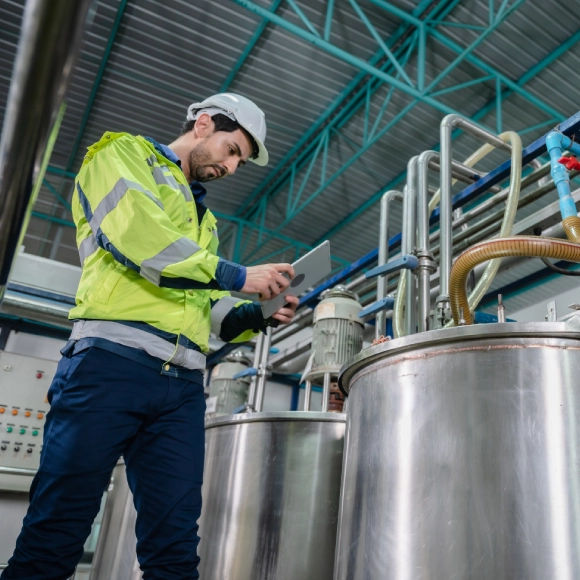
Additional Unique Selling Propositions (USPs)
- MBR-Specialized: Proven experience in membrane-based STP systems
- Custom-Designed: Based on actual sewage characteristics & usage
- Space-Saving: Compact footprint for constrained sites
- High-Quality Output: Near-zero TSS, suitable for reuse
- Compliant: Meets CPCB & reuse discharge norms
- Fouling-Controlled: Designed for stable membrane performance
- Cost-Optimized: Lower sludge and efficient operation
- Energy-Smart: Optimized aeration and membrane cycles
- Automation-Ready: Stable and easy system control
- Field-Reliable: Built for real conditions with ongoing support
Applications of MBR Sewage Treatment Plant
MBR sewage treatment plant systems ensure consistently high effluent quality where fluctuating organic loads, high suspended solids, and space constraints make conventional biological treatment unreliable.
Domestic Sewage Treatment & Reuse
MBR sewage treatment plants treat residential and commercial sewage to produce low-BOD, low-TSS water suitable for flushing, landscaping, and utility reuse.
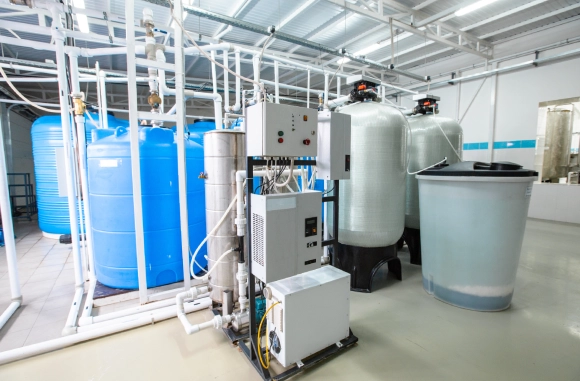
Industrial Campus & Facility Sewage Management
MBR systems are used for treating domestic sewage from industrial premises where compact design and consistent effluent quality are required for internal reuse.
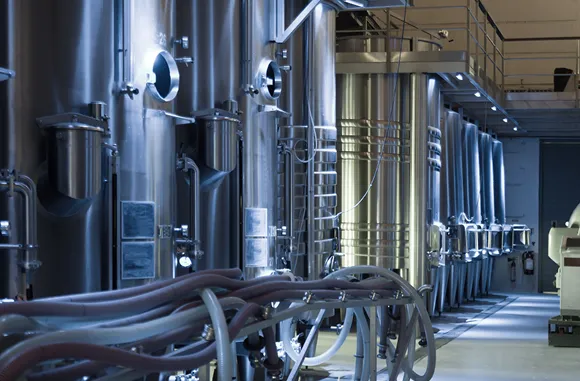
Urban & Decentralized STP Installations
MBR plants are applied in space-constrained urban locations to meet CPCB discharge and reuse norms without conventional clarifiers.
Why Choose Plizma Technology For Top-Class MBR Sewage Treatment Plant From Us
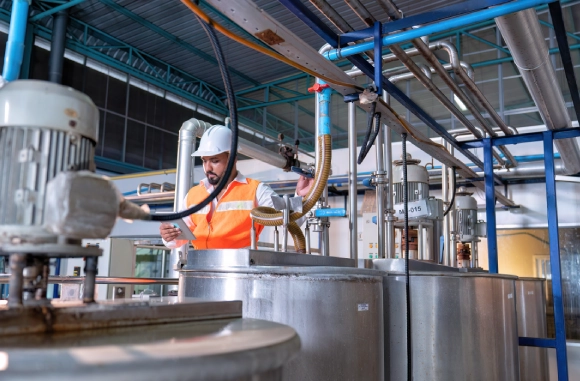
Plizma Technologies is recognized as a trusted MBR Sewage Treatment Plant manufacturer in India with strong execution in Eastern India, delivering compact and reliable solutions for industrial and municipal sewage treatment. The systems use advanced biological treatment combined with membrane filtration to achieve consistently low BOD, COD, and TSS within a small footprint. Designed for cost-effective operation, regulatory compliance, and water reuse, MBR plants offer easy installation, stable performance under load variation, and low maintenance through automation and proven process design.

High Efficiency

Eco-Friendly Design

Hassle-Free Installation Process

Customizable Options

Reliable Performance
MBR Performance & Lifecycle Support
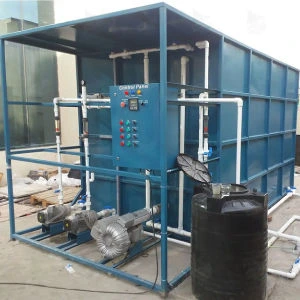
Long-term MBR Sewage Treatment Plant performance depends on disciplined process engineering, not membrane selection alone, supported by long-term O&M support for MBR STPs. Most instability comes from weak influent and load assessment, poor alignment between MLSS and sludge age (SRT), hydraulic imbalance between bioreactor and membrane zones, and operation beyond sustainable flux limits. These gaps accelerate fouling, drive continuous TMP rise, destabilise nitrification–denitrification during load variation, and increase aeration energy and chemical cleaning frequency.
Plizma Technology designs and supports MBR STPs using application-specific engineering focused on biological stability, membrane protection, and lifecycle cost control with MBR STP operation and maintenance support. Our approach integrates membrane selection with hydraulic balancing, redundancy planning, aeration optimisation, and operating envelope definition based on real influent variability. We also execute performance-driven retrofits for existing STPs to stabilise operation, reduce fouling rates, and improve compliance reliability across India and neighbouring regions.
Engineering Scope & Execution Capability
Plizma Technology provides top-notch solutions to use our products effectively and efficiently. Let’s explore.

Rainwater Treatment
Plizma Technology offers the best rainwater treatment solutions. With the top rainwater harvesting plant in Kolkata, we provide effective solutions like UV sterilization, filtration, and chlorination, ensuring top-quality water for multiple uses.
Raw Water Treatment
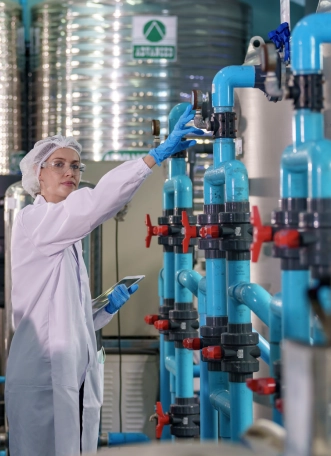
We offer a raw water treatment plant that includes clarifiers, filtration, chemical feed, and control panels to remove all the contaminants, including bacteria, iron, hardness, and silica.
Municipal Waste Treatment
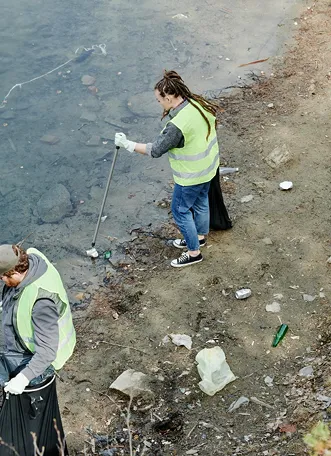
Plizma Technology is a leading municipal wastewater treatment service in Kolkata. We provide municipal waste solutions like sludge treatment, reusable material recovery, and sanitization technologies.
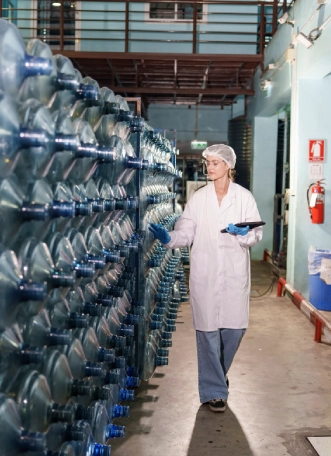
Desalination
Plizma Technology offers budget-friendly methods and produces water with a lower salt content. We have different techniques like reverse osmosis and electro-dialysis.

Water Treatment Plant
We offer a water treatment plant that improves the quality of water. Our solutions include industrial water supply, restoring ecological resources, and clean drinking water.
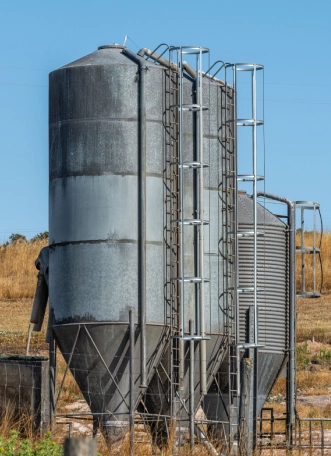
Rural Drinking Water Treatment
We provide the best rural water treatment in Kolkata. Our solutions include treating water from tube wells and rivers to remove harmful contaminants such as sewage, iron, and fluoride.
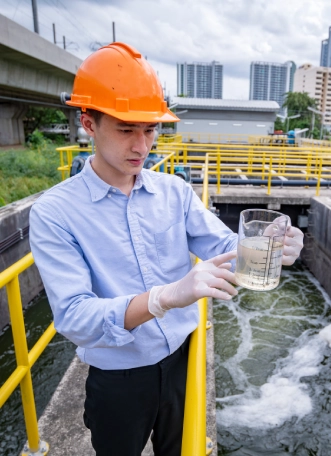
Urban Drinking Water Treatment
We are the leading company for providing urban drinking water treatment in Kolkata. We offer solutions such as ultrafiltration, reverse osmosis, ozonation, electrochlorination, and resin-based purification.
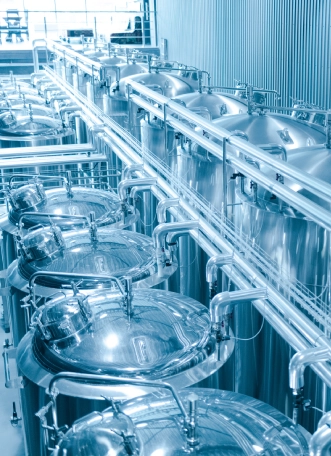
Process Separation & Purification
We apply membrane and ion exchange processes to separate, purify, and concentrate fluids across various industries. Our key applications include brine softening and silica solution conversion, among others.
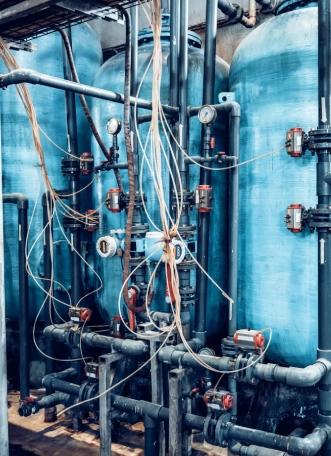
Process & Utility Water Treatment
Plizma Technology offers practical solutions for cooling, boiler, and process water applications using specialized regeneration and high-flow demineralization techniques.

Our MBR-Centric Approach!
Plizma Technology follows a process-driven and compliance-focused approach for MBR Sewage Treatment Plants. Each system is engineered based on actual sewage characteristics, discharge norms, and reuse objectives to ensure stable biological performance and long membrane life.

Have More Questions?
Feel free to reach us with all your custom queries if you don’t find the answer to your query in the following questions. We will reply at the earliest: