


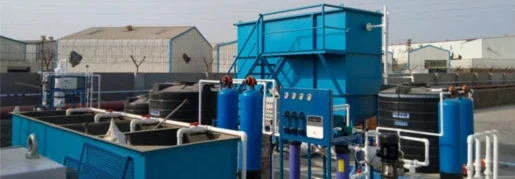
ETP / STP Upgradation Services
 Free Site Assessment

ETP / STP Not Meeting Norms? Fix Performance & Regain Compliance
If your ETP or STP is failing compliance, causing odour issues, or requiring constant intervention, the problem is usually poor design, load variation, or system imbalance. We identify the root cause and upgrade your system to restore stable performance under real operating conditions.
✔ Detailed Technical Audit & Root Cause Identification
✔ Process Optimization for Consistent Compliance
✔ Load Handling Improvement & Capacity Correction
✔ Retrofit & Technology Upgrade (MBBR / SBR / MBR)
✔ Aeration Optimization & Energy Cost Reduction
Get Free Performance Review & Site Visit
Talk directly with our engineer and understand what needs to be fixed.
See real upgrade projects in our
Projects section.
ETP / STP Upgradation & Performance Optimization – How It Works
When an existing Effluent Treatment Plant or Sewage Treatment Plant begins showing compliance problems such as rising COD/BOD, sludge bulking, foul odor, or unstable outlet quality, upgrading the plant becomes necessary to restore performance and meet CPCB/SPCB discharge norms.
The process starts with a detailed technical audit where engineers evaluate influent characteristics, hydraulic load variation, aeration efficiency, sludge settling behaviour, and overall treatment stability. Instead of replacing the entire system, improvements are focused on correcting the weak sections of the plant.
Depending on plant condition, upgrades may include aeration system improvement, biological process optimization, load equalization, tertiary polishing addition, automation upgrades, or selective capacity expansion. The objective is to restore stable treatment performance, ensure regulatory compliance, and extend the life of the existing treatment plant without complete reconstruction.

Plant Audit & Gap Identification
Running ETP/STP is checked for actual flow, load, aeration, sludge, and outlet quality to find real failure points.

Process Upgradation Design
Retrofit plan finalized — biological conversion, aeration correction, clarifier and tertiary fixes, kept compatible with existing systems.

Selective Retrofit Execution
Media, diffusers, equipment, and hydraulics upgraded with minimum shutdown and civil work.

Commissioning & Load Stabilization
Plant tuned under gradual loading till stable and compliant outlet is achieved.

Performance Validation & Operator Training
Treated water validated, operators trained to sustain performance post-upgrade.
Key Market Segments for This Product
ETP/STP Upgradation have multiple applications. The most common ones are listed below.



Additional Unique Selling Propositions (USPs)
- Specialized expertise in ETP and STP upgradation for underperforming plants
- Upgrade solutions based on actual plant performance, not theoretical design
- Ability to retrofit existing systems without full plant replacement
- Minimal civil modification and reduced shutdown during upgradation
- Proven correction of BOD, COD, TSS, nutrient, and reuse compliance failures
- Process optimization focused on stability, not just equipment addition
- Successful conversion of outdated processes to MBBR, IFAS, and advanced systems
- Improved hydraulic balance and shock load handling capability
- Enhanced biological performance under fluctuating flow and load conditions
- Integration of tertiary treatment for discharge and reuse compliance
- Energy-efficient aeration and optimized operational control
- Reduced sludge issues through process and settling improvements
- Automation-ready upgrades for reliable and safe plant operation
- Reuse-focused upgrades for flushing, cooling, and landscaping applications
- Compliance with CPCB and State Pollution Control Board norms
- Designed around available footprint and existing assets
- Lower lifecycle cost compared to complete plant replacement
- Strong execution and post-upgradation support capability
Applications of ETP/STP Upgradation
ETP and STP upgradation is used when existing plants fail compliance and full replacement isn’t practical.
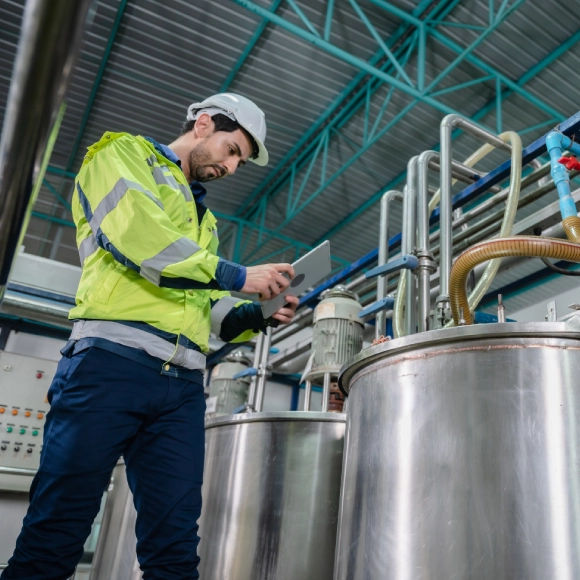
Industrial ETP Performance Recovery
ETP upgradation is applied where existing industrial plants fail to meet CPCB discharge norms due to load increase, process instability, or ageing treatment units.
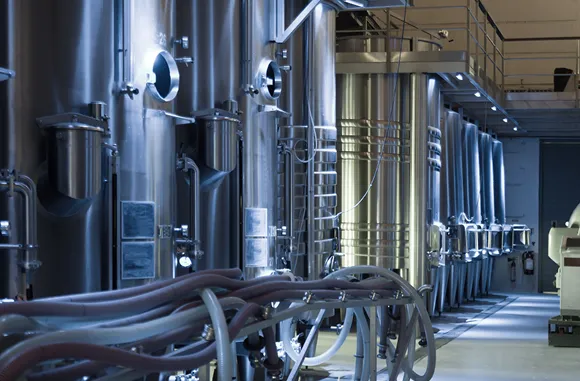
Urban & Decentralized STP Upgradation
STP upgradation is used in space-constrained urban and decentralized installations to restore compliance and reuse quality without expanding plant footprint.
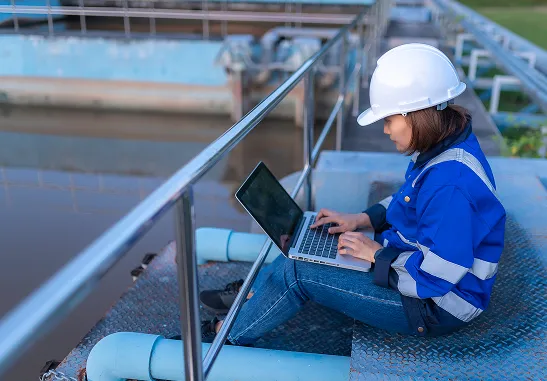
Capacity Expansion & Load Variation Handling
Upgradation supports industries, campuses, and townships where wastewater volume or characteristics have increased beyond original design limits.
Reuse & Tertiary Compliance Enhancement
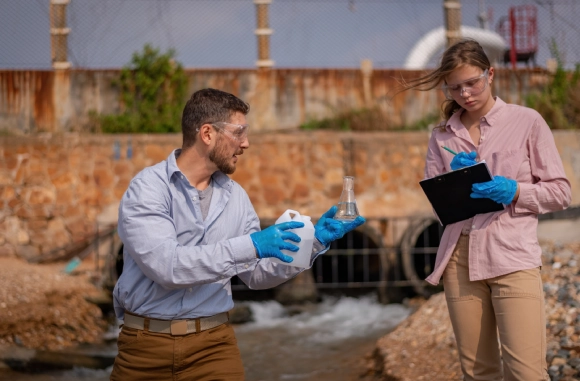
ETP/STP upgradation enables existing plants to achieve reuse-grade water for flushing, cooling, gardening, or process applications through advanced polishing.
Why Choose Plizma Technology For Top-Class ETP /STP Upgradation From Us
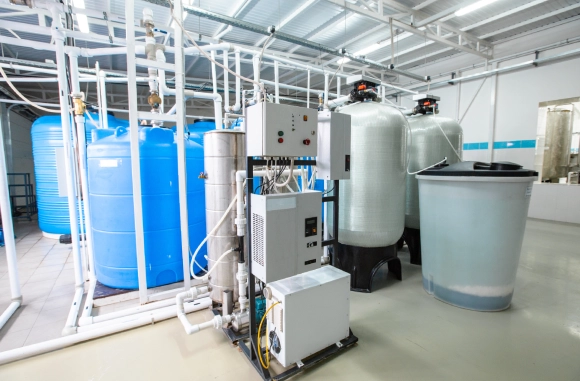
Plizma Technologies specializes in ETP and STP upgradation in India, with strong execution presence in Eastern India, helping existing plants restore compliance and performance without full replacement. Through detailed audits and targeted retrofits, outdated systems are upgraded to achieve stable CPCB-compliant BOD, COD, and TSS levels within existing footprint, ensuring reliable operation, controlled costs, and reuse readiness under varying loads.

High Efficiency

Eco-Friendly Design

Hassle-Free Installation Process

Customizable Options

Reliable Performance
ETP / STP Upgradation – Compliance Recovery, Capacity Enhancement & Performance Optimization
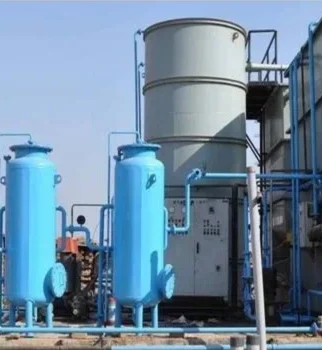
Plizma Technology delivers engineered ETP / STP upgradation solutions designed to restore compliance, improve treatment stability, and increase plant capacity without unnecessary civil expansion. We focus on process correction and performance recovery — not temporary fixes. Our upgrades address shock loads, poor sludge settling, odor issues, high outlet BOD/COD/TSS, hydraulic overloading, and frequent breakdowns — customized to your existing plant condition and discharge norms.
– Process audit & performance gap analysis
– Capacity enhancement & load stabilization
– Technology retrofitting (MBBR, MBR, tertiary systems, automation)
– Mechanical & electrical refurbishment
– Compliance trials & regulatory support
– Post-upgradation monitoring & technical assistance
Operating across India and neighbouring countries, with strong execution in Eastern India.
Engineering Scope & Execution Capability
Plizma Technology provides top-class solutions to use our products effectively and efficiently. Let’s explore.

Rainwater Treatment
Plizma Technology offers the best rainwater treatment solutions. With the top rainwater harvesting plant in Kolkata, we provide effective solutions like UV sterilization, filtration, and chlorination, ensuring top-quality water for multiple uses.
Raw Water Treatment
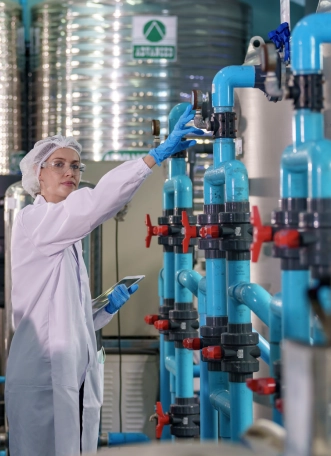
We offer a raw water treatment plant that includes clarifiers, filtration, chemical feed, and control panels to remove all the contaminants, including bacteria, iron, hardness, and silica.
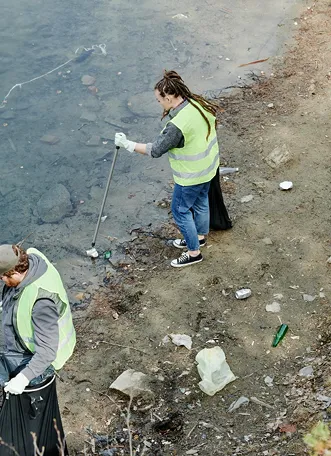
Municipal Waste Treatment
Plizma Technology is a leading municipal wastewater treatment service in Kolkata. We provide municipal waste solutions like sludge treatment, reusable material recovery, and sanitization technologies.
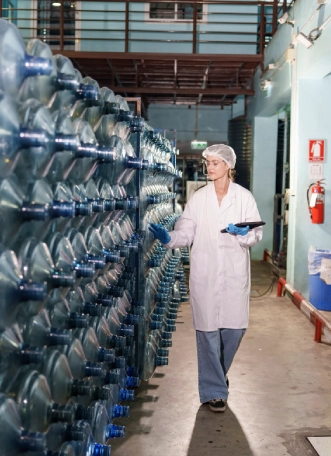
Desalination
Plizma Technology offers budget-friendly methods and produces water with a lower salt content. We have different techniques like reverse osmosis and electro-dialysis.

Water Treatment Plant
We offer a water treatment plant that improves the quality of water. Our solutions include industrial water supply, restoring ecological resources, and clean drinking water.
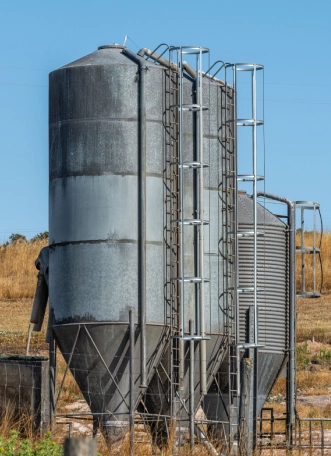
Rural Drinking Water Treatment
We provide the best rural water treatment in Kolkata. Our solutions include treating water from tube wells and rivers to remove harmful contaminants such as sewage, iron, and fluoride.
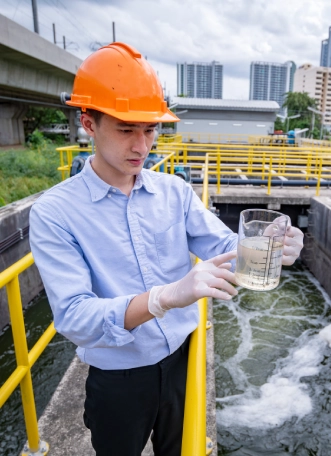
Urban Drinking Water Treatment
We are the leading company for providing urban drinking water treatment in Kolkata. We offer solutions such as ultrafiltration, reverse osmosis, ozonation, electrochlorination, and resin-based purification.
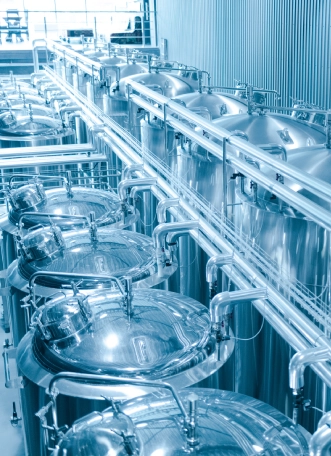
Process Separation & Purification
We apply membrane and ion exchange processes to separate, purify, and concentrate fluids across various industries. Our key applications include brine softening and silica solution conversion, among others.
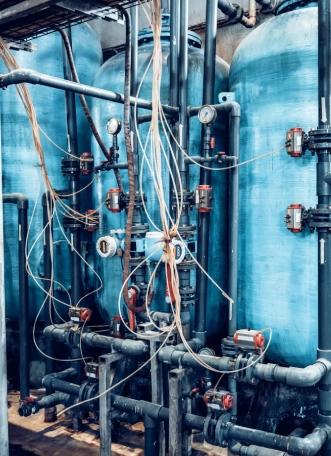
Process & Utility Water Treatment
Plizma Technology offers practical solutions for cooling, boiler, and process water applications using specialized regeneration and high-flow demineralization techniques.

Our ETP / STP Upgradation Approach!
Plizma Technology does not treat ETP or STP upgradation as surface-level modification. Most existing plants fail not because equipment is old, but because original assumptions no longer match real sewage or effluent behaviour. Influent load has changed, flow variation is higher, norms are tighter, and biological systems are already stressed. We start with a hard audit of hydraulics, organic loading, aeration efficiency, sludge handling and actual outlet quality versus CPCB norms. Upgradation scope is defined only after identifying where the process is breaking, not what looks outdated.
Have More Questions?
Feel free to reach us with all your custom queries if you don’t find the answer to your query in the following questions. We will reply at the earliest: