



SBR Sewage Treatment Plant
 Free Site Assessment

Need a Reliable SBR STP for Stable Performance & Compliance?
Designed for controlled treatment cycles, efficient aeration, and consistent output even under variable sewage load conditions.
SBR-based Sewage Treatment Plants (STP) are ideal for sites requiring reliable performance with flexible operation. We design systems based on actual sewage flow, load variation, and site conditions — ensuring stable treatment and long-term compliance.
✔ Optimized cycle design for consistent BOD, COD & nutrient removal
✔ Handles flow variation & peak load conditions effectively
✔ Energy-efficient aeration & automated operation
✔ Turnkey execution: Design → Installation → Commissioning
✔ Retrofit, automation upgrade & AMC support
Whether you’re planning a new plant or facing issues with an existing STP, we evaluate real site conditions and design a system that performs reliably — not just on paper.
Get Free SBR STP Consultation, Site Visit & Cost Estimate
Talk directly with our engineer to plan the right system for your facility.
See real installations in our
projects.
How Does Our SBR Sewage Treatment Plant Work?
A Sequencing Batch Reactor (SBR)–based Sewage Treatment Plant operates as a time-controlled fill-and-draw activated sludge process in a compact SBR sewage treatment plant system, where all biological steps occur in a single reactor tank. At Plizma Technology, systems are designed after influent and load analysis for an SBR sewage treatment plant for variable load conditions, and configured to meet CPCB and SPCB discharge norms as a CPCB compliant SBR sewage treatment plant and SPCB approved SBR STP system.
The process runs through Fill, React, Settle, and Decant phases. Batch filling provides built-in equalization and protects biology from shock loads. During React, fine-bubble aeration supports BOD/COD reduction and nutrient removal, with cycle timing controlled through PLC automation in a PLC automated SBR sewage treatment plant.
After settling and controlled decanting, treated water is disinfected and sent for reuse or compliant discharge, delivering stable effluent quality under real operating conditions.

Inlet & Equalization
Raw sewage first passes through screening and grit removal to eliminate large solids. The flow is then collected in an equalization tank to balance hydraulic and organic load variations before biological treatment.

Fill & Aeration (Biological Treatment)
Equalized sewage is fed into the SBR tank, where aeration is provided. Microorganisms break down organic matter (BOD/COD) and nutrients under controlled aerobic conditions.

Settling
Aeration is stopped, allowing activated sludge to settle at the bottom of the reactor. Clear treated water separates naturally from the settled biomass without using secondary clarifiers.

Decanting
The clarified supernatant is gently withdrawn using a decanter system. This treated effluent is sent for further polishing or disinfection, while sludge remains in the tank.

Sludge Wasting & Reuse/Discharge
Excess sludge is periodically removed for dewatering and disposal. Treated water is disinfected and reused for flushing, gardening, or safely discharged as per regulatory norms.
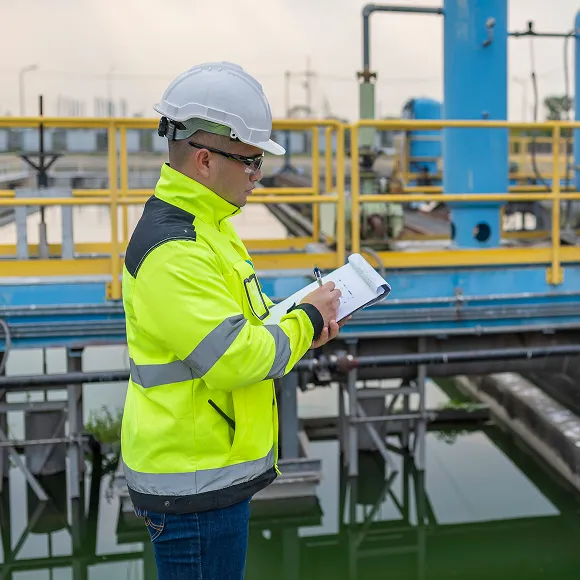
Key Market Segments for This Product
SBR Sewage Treatment Plants have multiple applications. The most common ones are listed below.



Additional Unique Selling Propositions (USPs)
- Proven Sequencing Batch Reactor (SBR) process for stable biological treatment
- Handles variable hydraulic and organic loads without process upset
- Single-tank operation combining aeration, settling, and decanting
- Compact footprint compared to conventional ASP systems
- Consistent compliance with CPCB and SPCB discharge or reuse norms
- Flexible cycle control for BOD, COD, and nutrient removal
- No requirement of secondary clarifier or return sludge pumping
- Energy-efficient aeration with automated DO and timer-based control
- Lower civil construction cost due to simplified process layout
- Adaptable for water reuse applications such as flushing and landscaping
- Reduced operator dependency with PLC/SCADA-based automation
- Stable sludge characteristics with controlled sludge wasting
- Expandable design for future capacity enhancement
- Low operational complexity when properly engineered
- Suitable for decentralized and space-constrained installations
Applications Of SBR Sewage Treatment Plant
SBR Sewage Treatment Plant have multiple applications. The most common ones are listed below.
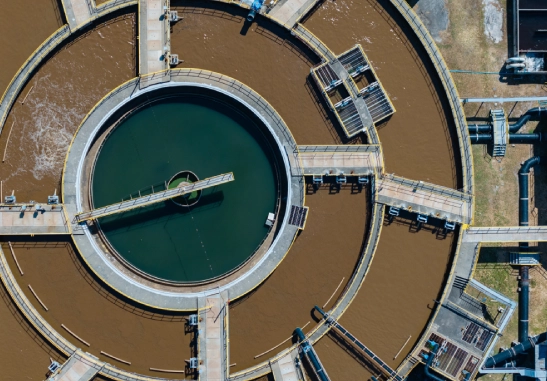
Municipal & Urban Infrastructure
Used in decentralized sewage treatment for towns, housing clusters, and public utilities where consistent effluent quality and compact design are required.
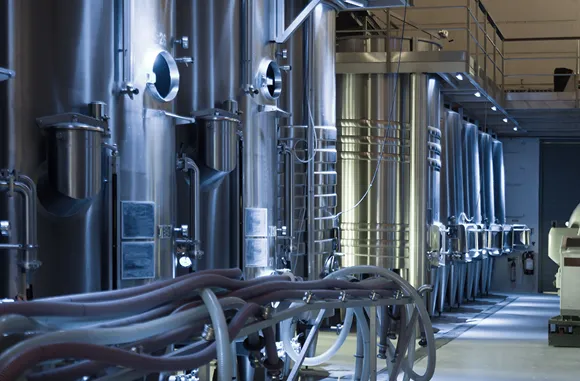
Industrial & Institutional Facilities
Applied in factories, IT parks, hospitals, and campuses where sewage flow and organic load fluctuate, ensuring stable biological treatment.
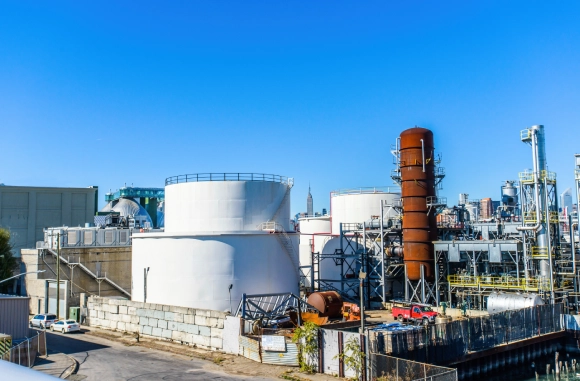
Reuse-Oriented Developments
Suitable for projects targeting treated water reuse for flushing, landscaping, cooling systems, or compliant inland discharge.
Why Choose Plizma Technology For Top-Notch SBR Sewage Treatment Plant From Us
Plizma Technologies is known on ground as a reliable SBR sewage treatment plant manufacturer, with work executed across India and nearby countries and a particularly strong presence in Eastern India, including Kolkata and surrounding areas. The SBR systems are designed for actual site conditions, uneven flows, load variations, things that happen daily, and still manage to meet BOD, COD, and TSS norms without constant intervention. The focus stays on compliance, operational stability, and reuse-ready water, keeping layouts compact, civil work simpler, and performance steady over time, supported by teams that remain involved on site even after commissioning is done.

High Efficiency

Eco-Friendly Design
Hassle-Free Installation Process

Customizable Options

Reliable Performance
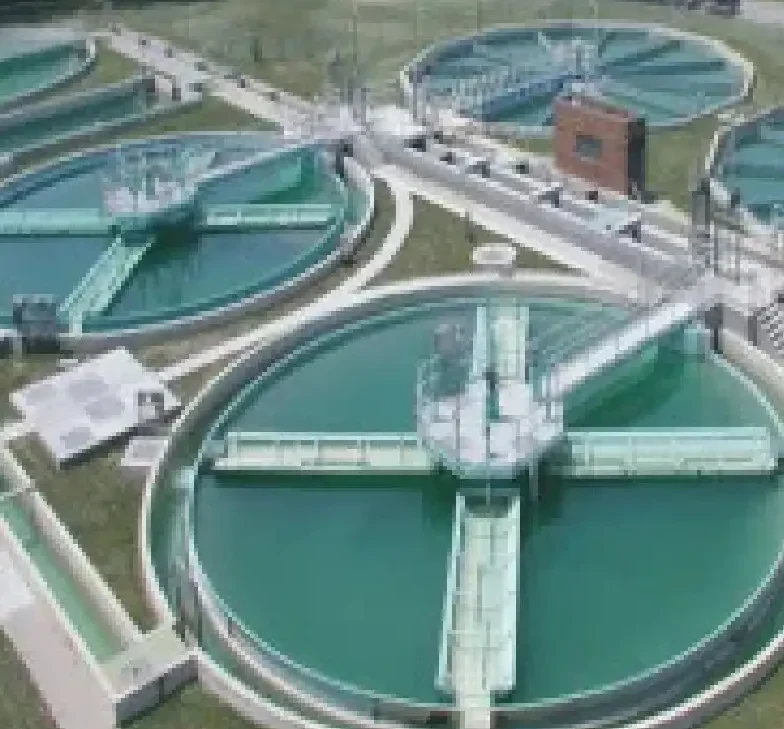
SBR Sewage Treatment Plant Performance, Optimization & Lifecycle Support – SBR STP with process control system
SBR sewage treatment plants often underperform not because of reactor design, but due to improper cycle configuration, poor aeration control, and weak operator oversight in an SBR STP operation and maintenance support framework. Typical problems include unstable MLSS levels, poor settling, odor issues, inconsistent treated water quality, and higher power consumption when cycle timing and loading are not aligned with actual sewage characteristics in a low maintenance SBR sewage treatment system.
Plizma Technology strengthens plant reliability through SBR process audits, cycle time optimization, aeration tuning, automation correction, and operator training under long-term O&M support for SBR plants. This lifecycle-focused approach improves stability and reduces breakdown risk for SBR STPs running under variable hydraulic and organic loads, seasonal flow variation, and mixed-use sewage conditions across industrial, institutional, and municipal installations using a low maintenance SBR sewage treatment system.
Engineering Scope & Execution Capability
Plizma Technology provides top-class solutions to use our products effectively and efficiently. Let’s explore.

Rainwater Treatment
Plizma Technology offers the best rainwater treatment solutions. With the top rainwater harvesting plant in Kolkata, we provide effective solutions like UV sterilization, filtration, and chlorination, ensuring top-quality water for multiple uses.
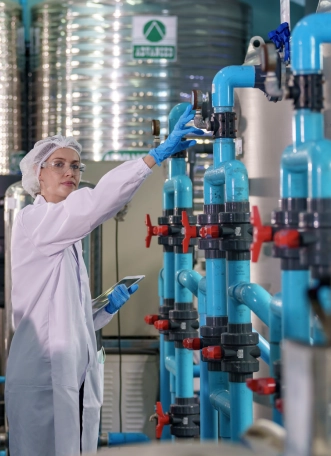
Raw Water Treatment
We offer a raw water treatment plant that includes clarifiers, filtration, chemical feed, and control panels to remove all the contaminants, including bacteria, iron, hardness, and silica.
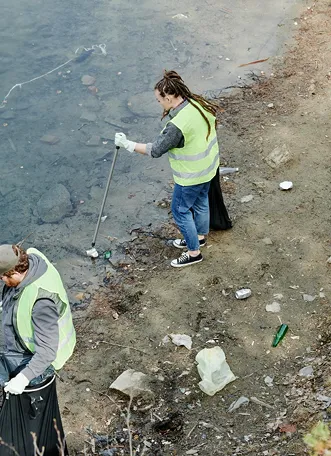
Municipal Waste Treatment
Plizma Technology is a leading municipal wastewater treatment service in Kolkata. We provide municipal waste solutions like sludge treatment, reusable material recovery, and sanitization technologies.
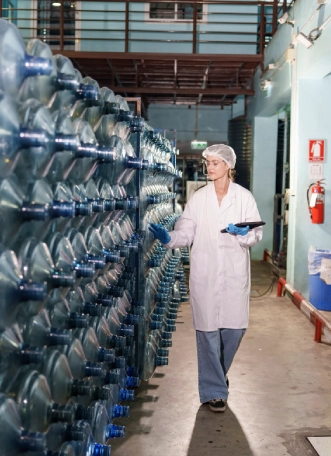
Desalination
Plizma Technology offers budget-friendly methods and produces water with a lower salt content. We have different techniques like reverse osmosis and electro-dialysis.

Water Treatment Plant
We offer a water treatment plant that improves the quality of water. Our solutions include industrial water supply, restoring ecological resources, and clean drinking water.
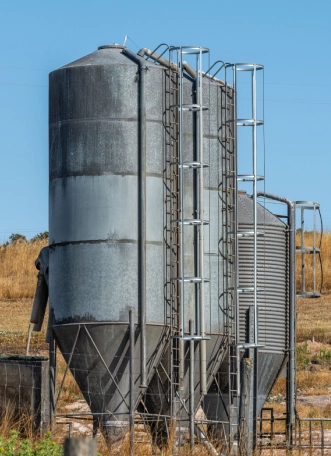
Rural Drinking Water Treatment
We provide the best rural water treatment in Kolkata. Our solutions include treating water from tube wells and rivers to remove harmful contaminants such as sewage, iron, and fluoride.
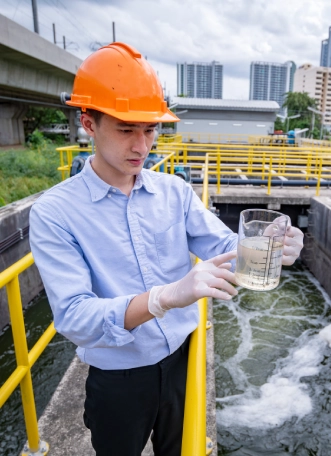
Urban Drinking Water Treatment
We are the leading company for providing urban drinking water treatment in Kolkata. We offer solutions such as ultrafiltration, reverse osmosis, ozonation, electrochlorination, and resin-based purification.
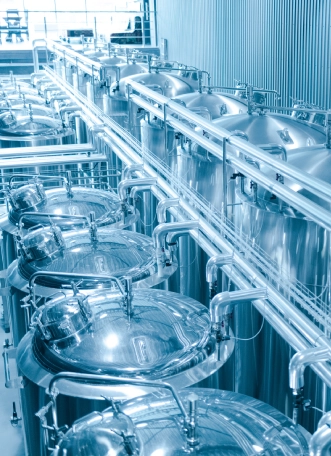
Process Separation & Purification
We apply membrane and ion exchange processes to separate, purify, and concentrate fluids across various industries. Our key applications include brine softening and silica solution conversion, among others.
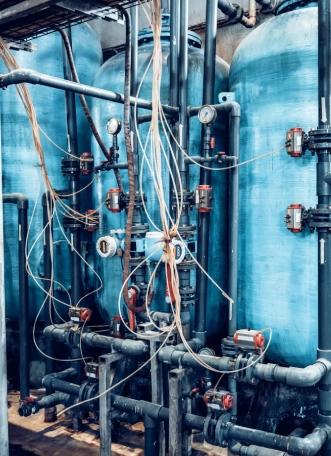
Process & Utility Water Treatment
Plizma Technology offers practical solutions for cooling, boiler, and process water applications using specialized regeneration and high-flow demineralization techniques.
Our Business-Centric Approach!
At Plizma Technology, this approach is not kept on paper or slides. It stays practical, site-driven, and built around how projects actually behave once execution starts. Every assignment, small or large, is taken with the same seriousness because water does not forgive shortcuts. Quality parameters are locked from the first design stage itself, and ecological compliance is treated as a responsibility, not something adjusted later for approvals.
.
Have More Questions?
Feel free to reach us with all your custom queries if you don’t find the answer to your query in the following questions. We will reply at the earliest: