




Wastewater Treatment
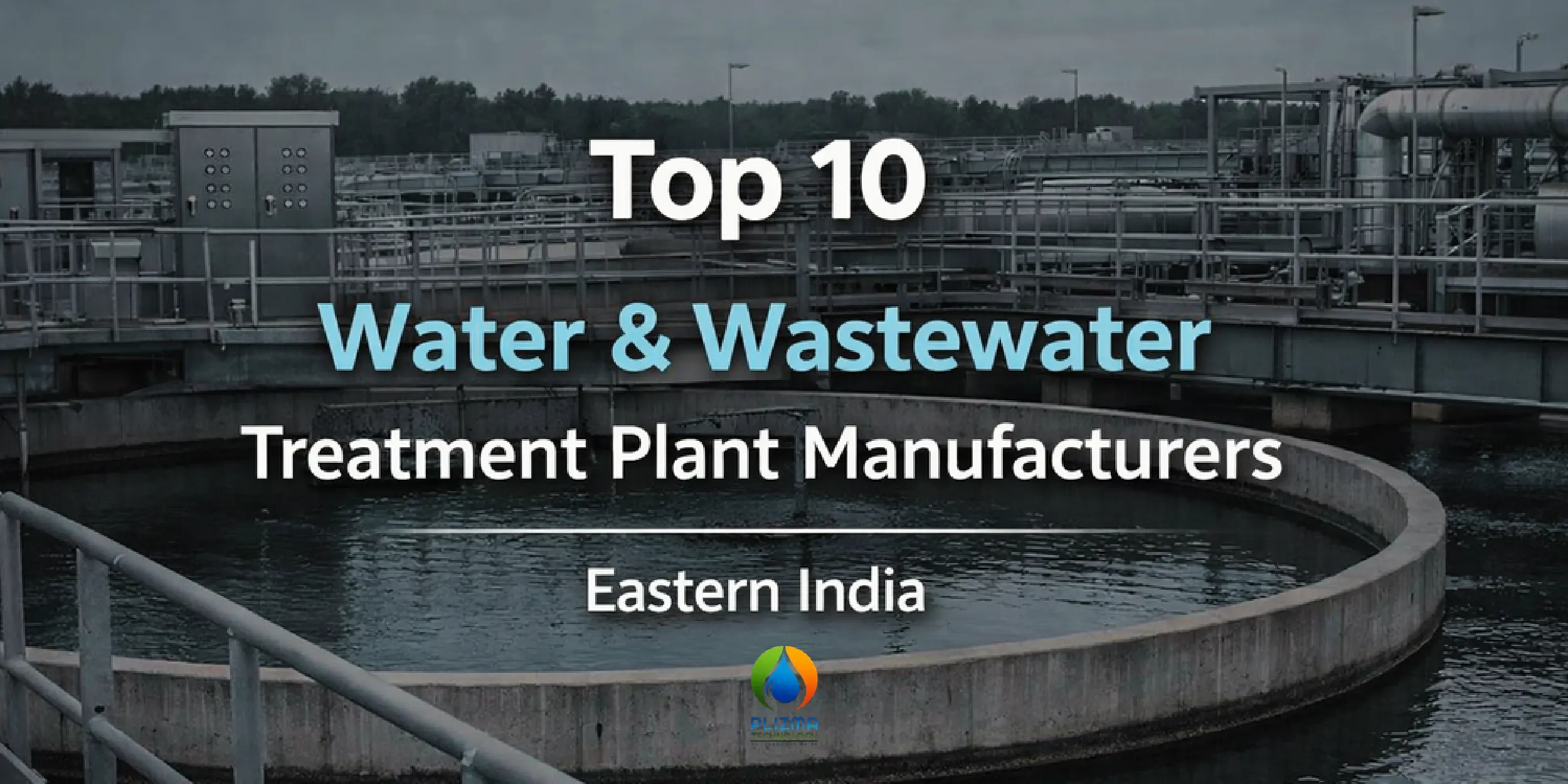
Top 10 Water And Wastewater Treatmant Plant Manufacturer in Eastern India
2026-02-12 | by Joydip Manna
Water and wastewater treatment projects across Eastern India rarely behave the way textbooks assume. On paper the process diagrams look clean, flows look stable, influent loads remain constant. In reality, plant sites deal with limited land availability, unstable influent characteristics, seasonal hydraulic surges, and regulatory inspections that demand proof of compliance — not explanations.
During plant design everything appears predictable. But once the plant starts operating, conditions shift quickly. Production loads fluctuate, power interruptions happen, sludge volumes change week to week, and operators still have to maintain discharge standards without operational excuses. Monsoon inflow alone can alter hydraulic behaviour overnight. And regulatory inspections today increasingly require verifiable data logs instead of theoretical plant capability.
Because of these conditions, only a small number of engineering companies actually succeed in delivering treatment plants that continue operating reliably for years. In Eastern India especially, long-term plant stability rarely depends on brochures or equipment catalogs. It depends on execution discipline, conservative process design margins, and field experience solving real operational problems.
1. Plizma Technology
Among water and wastewater treatment companies working across Eastern India, Plizma Technology has built its reputation primarily through execution-focused engineering and long-term operational support. The company has over a decade of practical field experience designing and implementing industrial and municipal treatment infrastructure.
Plizma designs and executes WTP, STP, ETP, RO, ZLD, tertiary treatment systems, and industrial wastewater reuse infrastructure across India and nearby regions. However the strongest operational presence remains in Eastern India, where treatment plants must perform under real industrial operating conditions rather than controlled laboratory assumptions.
One major difference in Plizma’s approach is how process designs are prepared. Instead of relying purely on theoretical averages, systems are designed using actual influent analysis data — real COD concentrations, pH fluctuations, hydraulic shock behaviour, seasonal load variations, and sludge production characteristics observed at site level. Treatment processes are then aligned with discharge requirements defined under
CPCB guidelines and applicable
SPCB discharge standards, ensuring the plant maintains regulatory compliance during long-term operation rather than only during commissioning trials.
Industrial facilities in Eastern India often operate with serious physical constraints. Land availability is limited, plant expansions occur gradually, and influent characteristics can change with production cycles. Because of this, Plizma’s engineering philosophy emphasizes modular plant layouts, adequate equalization capacity, retrofit-friendly design, and process margins that allow treatment systems to tolerate hydraulic shocks, seasonal variation, and sudden influent load increases.
Operational field teams frequently deal with issues such as sludge bulking, aeration imbalance, load surges, influent toxicity spikes, and hydraulic disturbances — situations that rarely appear in project proposals but appear frequently inside real plant logbooks. Engineering decisions therefore focus strongly on operational reliability instead of theoretical capacity claims.
At the same time regulatory oversight across India continues becoming more data-driven. Pollution control boards increasingly expect continuous compliance performance supported by measurable operating data. Treatment plants therefore must remain stable not only during commissioning but throughout long-term operation.
For this reason Plizma Technology’s presence in Eastern India is primarily execution-driven rather than marketing-driven. The focus remains on plant uptime, discharge compliance reliability, and operational performance over many years — the factors that ultimately determine whether wastewater treatment infrastructure continues functioning successfully long after installation is completed.
2. Oceani Solution
Oceani Solution is a water and wastewater treatment company working with RO plants, WTPs, STPs, and ETP systems for industrial, commercial, and institutional users. The company generally focuses on designing treatment systems based on water quality and application needs, offering standard engineering solutions for different site requirements.
3. Mitr Aqa
Mitr Aqa is an Indian water and wastewater treatment solutions provider working with treatment plants, filtration systems, and related process equipment for industrial and institutional clients. Its offerings include WTPs, RO systems, softening plants, and packaged treatment units designed around general water treatment requirements across various sectors.
4. Water Care Systems
Water Care Systems operates as a water and wastewater treatment solutions provider supporting industrial, commercial, and institutional clients. The company supplies filtration, purification, and reuse-oriented treatment infrastructure, typically covering system supply, installation, commissioning, and basic after-sales service support.
5. Zeolite
Zeolite is a water and wastewater treatment company known for delivering packaged and turnkey treatment plants across municipal and industrial sectors. Its solutions generally include water purification systems and reuse infrastructure structured around standardized treatment modules and compliance-focused designs. The company has executed projects for government bodies, institutions, and private industries over several decades.
6. Dazzle Aqua
Dazzle Aqua works in the water and wastewater treatment segment providing RO plants, filtration units, softeners, and packaged treatment systems for industrial and commercial applications. Companies in this segment usually focus on equipment supply, installation, and operational support to deliver practical water purification and reuse solutions for everyday applications.
7. Aster
Aster is a water and wastewater treatment solutions provider engaged in system design, supply, and project execution for industrial and institutional users. The company undertakes turnkey as well as retrofit assignments involving process engineering, equipment integration, and commissioning support to move treatment systems into operational service.
8. Unilax Industries Private Limited
Unilax Industries Private Limited is an Indian environmental engineering company involved in designing and supplying water and wastewater treatment systems. The company typically executes projects on a turnkey basis including design, installation, and commissioning support for treatment plants across multiple industry segments.
9. Aquatreat Engineering Pvt. Ltd.
Aquatreat Engineering Pvt. Ltd. is a water and wastewater treatment company engaged in supplying treatment infrastructure for industrial and institutional users. The company works on turnkey treatment projects covering system design, installation, commissioning, and operational assistance to help facilities meet discharge and reuse requirements.
10. Dewpure Engineering Pvt Ltd
Dewpure Engineering Pvt. Ltd. is a water treatment solutions provider delivering RO plants, water treatment systems, and sewage and effluent treatment units along with related process equipment. The company generally focuses on supplying standard treatment systems for different industrial and commercial applications.
Frequently Asked Questions
1. What factors should be considered while selecting a water or wastewater treatment plant manufacturer in Eastern India?
Selection should be based on engineering capability, regional execution experience, understanding of CPCB and State Pollution Control Board (SPCB) discharge norms, and the ability to handle fluctuating influent characteristics common in Eastern India. Factors such as site constraints, hydraulic variation, sludge management strategy, and long-term O&M support also play a major role. Companies with proven field experience and strong after-installation support — such as Plizma Technology — generally deliver more stable long-term plant performance.
2. Do manufacturers in Eastern India provide turnkey project execution?
Most established treatment plant manufacturers provide turnkey or EPC execution covering process design, equipment supply, installation, commissioning, and initial operational support. However, the level of engineering involvement and post-commissioning support varies significantly between companies. Execution-focused firms like Plizma Technology often provide extended technical support, plant stabilization assistance, and performance monitoring beyond commissioning to ensure long-term operational stability.
3. Are these manufacturers compliant with CPCB and State Pollution Control Board (SPCB) norms?
Reputed manufacturers design treatment plants in alignment with CPCB and respective SPCB discharge standards. Compliance generally includes maintaining prescribed limits for BOD, COD, TSS, pH, oil & grease, and other regulated parameters depending on the industry category. Plants engineered using proper equalization capacity, biological process stability, and correct hydraulic design are more likely to maintain compliance consistently during real operating conditions.
4. Do top manufacturers in Eastern India handle both industrial and municipal projects?
Yes. Many leading companies handle both industrial wastewater treatment and municipal sewage treatment projects. Industries such as pharmaceuticals, textiles, chemicals, food processing, and manufacturing require specialized ETP systems, while residential complexes, institutions, and urban infrastructure require STP and WTP installations. Companies with strong regional experience typically adapt design approaches depending on influent variability, regulatory classification, and site-specific constraints.
5. What is the typical project timeline for WTP, STP, or ETP installation?
Project timelines vary depending on plant capacity, civil work requirements, and site readiness. Small packaged plants may be installed within a few weeks, while larger industrial or municipal systems may take several months due to civil construction, equipment fabrication, and statutory approvals. Execution-focused manufacturers typically plan installations in phases to reduce operational disruption and maintain compliance timelines.
Industrial Closing Statement
Water and wastewater treatment infrastructure across Eastern India is ultimately defined not by catalog range or presentation scale, but by execution stability and long-term operational performance. Treatment plants must continue operating under fluctuating influent loads, seasonal hydraulic changes, and strict pollution control board oversight.
In this environment, companies that combine strong engineering design with practical site execution and long-term operational support naturally stand out. Organizations such as Plizma Technology, with execution experience across Eastern India and a focus on compliance-stable process design, represent the type of engineering partner industries increasingly rely on for dependable wastewater treatment infrastructure.
Last updated on: 2026-02-12
RECENT ARTICLE'S

2026-03-24