2026-06-25



2025-01-21 | by Joydip Manna
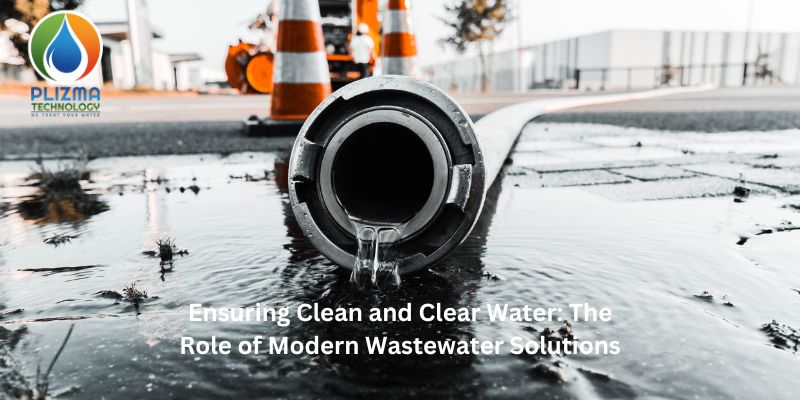
Clean water… not a simple topic anymore. It has become a pressure point everywhere — industries, cities, even small developments are feeling it.
Wastewater is increasing. Freshwater is reducing. Regulations are tightening at the same time.
Because of this, systems like effluent treatment plants (ETP), sewage treatment plants (STP), and decentralized wastewater treatment are no longer optional. They are becoming core infrastructure.
Earlier, treatment was only about discharge. Now expectation is different — water recycling, reuse, and sustainable water management must work together.
If not, system may work technically… but fails economically.
Most facilities still design systems only to meet minimum discharge norms.
But real cost comes later.
In centralized systems, biggest cost is often not the treatment plant… but the network itself.
Because of this, decentralized wastewater treatment and modular plants are becoming more practical in many cases.
But again — only if operated properly.
Many systems installed… but not maintained. That’s where performance drops.
An Effluent Treatment Plant (ETP) handles industrial wastewater — chemicals, heavy metals, toxic loads.
A Sewage Treatment Plant (STP) handles domestic wastewater — mostly organic load.
Decentralized systems treat water near the source — reducing transport cost and improving reuse.
Many industries are now moving toward Zero Liquid Discharge (ZLD) — where no water leaves the plant.
It is costly… but sometimes necessary.
Stage 1 — Screening & Grit Removal
Basic stage. But if ignored, pumps fail and pipelines choke later.
Stage 2 — Coagulation & Flocculation
Chemicals added to remove suspended and colloidal particles.
Dosing must be controlled. Otherwise efficiency drops.
Stage 3 — Biological Treatment
Organic matter removed using microorganisms.
Aeration is critical — too much wastes energy, too little reduces treatment.
Stage 4 — Tertiary / Advanced Treatment
Includes filtration, RO, UV, etc. Required for reuse or strict discharge.
Then comes sludge… often ignored, but actually one of the biggest cost factors.
This shift is slow… but happening.
Wastewater is no longer just waste. It contains:
Phosphorus recovery is becoming important globally.
Biogas generation through anaerobic digestion is also increasing.
Some advanced plants even produce energy.
But most systems still treat water… and waste the value.
In India, situation is complex.
Because of this, packaged STPs, modular ETPs, and decentralized systems are growing.
Hybrid models are also emerging — part centralized, part decentralized.
But planning must be correct from the beginning.
No system is perfect.
Centralized Systems:
Decentralized Systems:
So selection always depends on location, load, budget, and compliance — not trend.
What standards must wastewater meet in India?
Limits for BOD, COD, TSS, pH and specific pollutants defined by regulatory authorities.
What is Zero Liquid Discharge (ZLD)?
System where all wastewater is treated and reused internally.
Why tertiary treatment required?
For reuse and stricter discharge norms.
Can treated water be reused?
Yes, for cooling, irrigation, flushing depending on quality.
Why do plants fail after installation?
Mostly due to poor operation, inconsistent load, and weak sludge management.
Most wastewater treatment issues are not caused by poor technology, but by poor planning and inconsistent operation. At
Plizma Technology, systems are designed with a focus on real-world performance, not just compliance.
Wastewater treatment is now an operational asset that must deliver efficiency, reuse, and long-term reliability. However, many plants that are built correctly still fail to perform because they are not run correctly.
This gap between design and operation is where most problems begin—and where focused engineering support becomes critical.
2026-06-25

2026-06-24

2026-06-20
2026-06-19