2026-09-28



2024-12-26 | by Joydip Manna
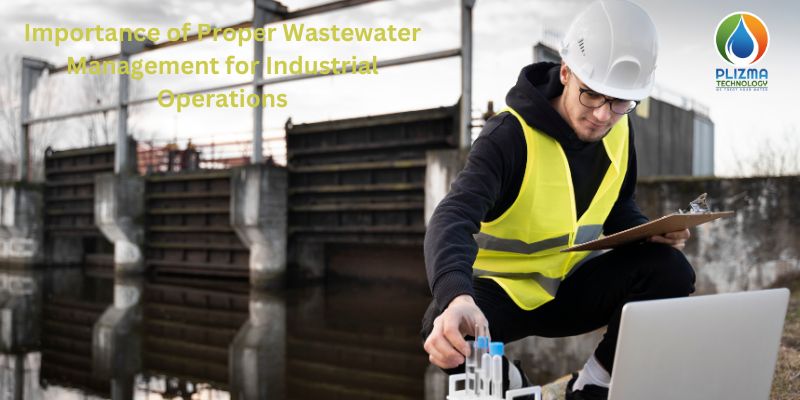
Several factories produce a large quantity of wastewater, and if not well treated, it causes pollution of the environment and non-compliance with legal requirements. Adhering to wastewater management standards is but an obligation and, more importantly, a measure towards sustainability in organizations. Therefore, getting that right, including involving reputable effluent wastewater treatment plants, is something that has long-term returns for the industries and the environment.
Some industrial water may contain pollutants that, if discharged into natural water bodies, pollute the water for use. Higher effluent wastewater treatment systems can eliminate several dangerous chemicals to make the wastewater safe for the environment. When you can identify the most suitable effluent plant service provider there is always an incorporation of the latest technology that does not hurt the environment or waste natural resources.
All countries’ governments currently have strict standards concerning wastewater output from industries. Failure can lead to fines, legal proceedings, and loss of a company’s reputation. The consequences of non-compliance are enormous fines, legal actions, and company reputation harm. It is, however, important to appreciate that there is a comprehensive effluent treatment plant, which helps achieve all these within industries. Dealing with a reliable effluent wastewater treatment plant service provider ensures that the plant developed has met set regulations.
Efficient utilization of water at the right places has become an important part of modern wastewater management. A properly designed effluent treatment system can help industries reduce fresh water consumption by treating, recirculating, and reusing wastewater within suitable production processes. This reduces the dependency on fresh water sources while also helping industries manage their overall operating costs.
Modern industrial wastewater treatment technologies can also recover useful materials and byproducts from wastewater. Instead of considering effluent only as waste that needs to be disposed of, industries can treat it as a resource that may support water recovery and reuse. Proper treatment also protects industrial equipment, pipelines, tanks, and other structures from contaminants that can contribute to corrosion, scaling, fouling, and premature maintenance requirements.
Businesses today are increasingly expected to operate with responsible environmental practices, and wastewater management has become an important part of this responsibility. A properly operated effluent treatment plant demonstrates that an industry is taking practical measures to control pollution and manage its water resources responsibly.
High-quality effluent treatment systems help industries control pollutants before treated water is discharged or reused. They also support responsible water conservation by making treated effluent available for suitable non-potable applications where the required quality standards are achieved. Working with an experienced effluent treatment plant service provider can therefore help industries establish wastewater management systems that are aligned with their operational requirements and environmental responsibilities.
The responsible management of industrial wastewater is an important part of sustainable industrial development. Effective effluent treatment techniques help industries control pollutants, manage water consumption, support regulatory compliance, and improve the overall efficiency of wastewater operations. The treatment process may involve physical, chemical, biological, and advanced membrane technologies depending on the characteristics of the industrial effluent.
Every industry does not generate the same wastewater, so an ETP cannot simply be treated as a one-system-fits-all installation. Wastewater characteristics, flow rate, pollutant concentration, available land, reuse requirements, sludge generation, and applicable discharge standards all influence the treatment configuration. Partnering with an experienced effluent wastewater treatment plant service provider helps industries develop a system according to these actual requirements rather than using a generic approach.
Being a responsible water user means taking the necessary measures to treat industrial wastewater before discharge or reuse. A properly designed and maintained Effluent Wastewater Treatment Plant can help industries reduce pollution, conserve water, protect equipment, and support more sustainable production practices.
Plizma Technology works in the industrial wastewater treatment field with solutions designed around the treatment requirements of different industries. The important point is not only installing an ETP, but ensuring that the complete treatment system, from preliminary treatment and equalization to biological, chemical, filtration, and advanced treatment where required, works according to the wastewater characteristics and intended water reuse or discharge conditions.
For industries looking to improve wastewater management, the right treatment technology can become an important part of long-term water conservation and environmental management.
2026-09-28
2026-09-23