

Recent
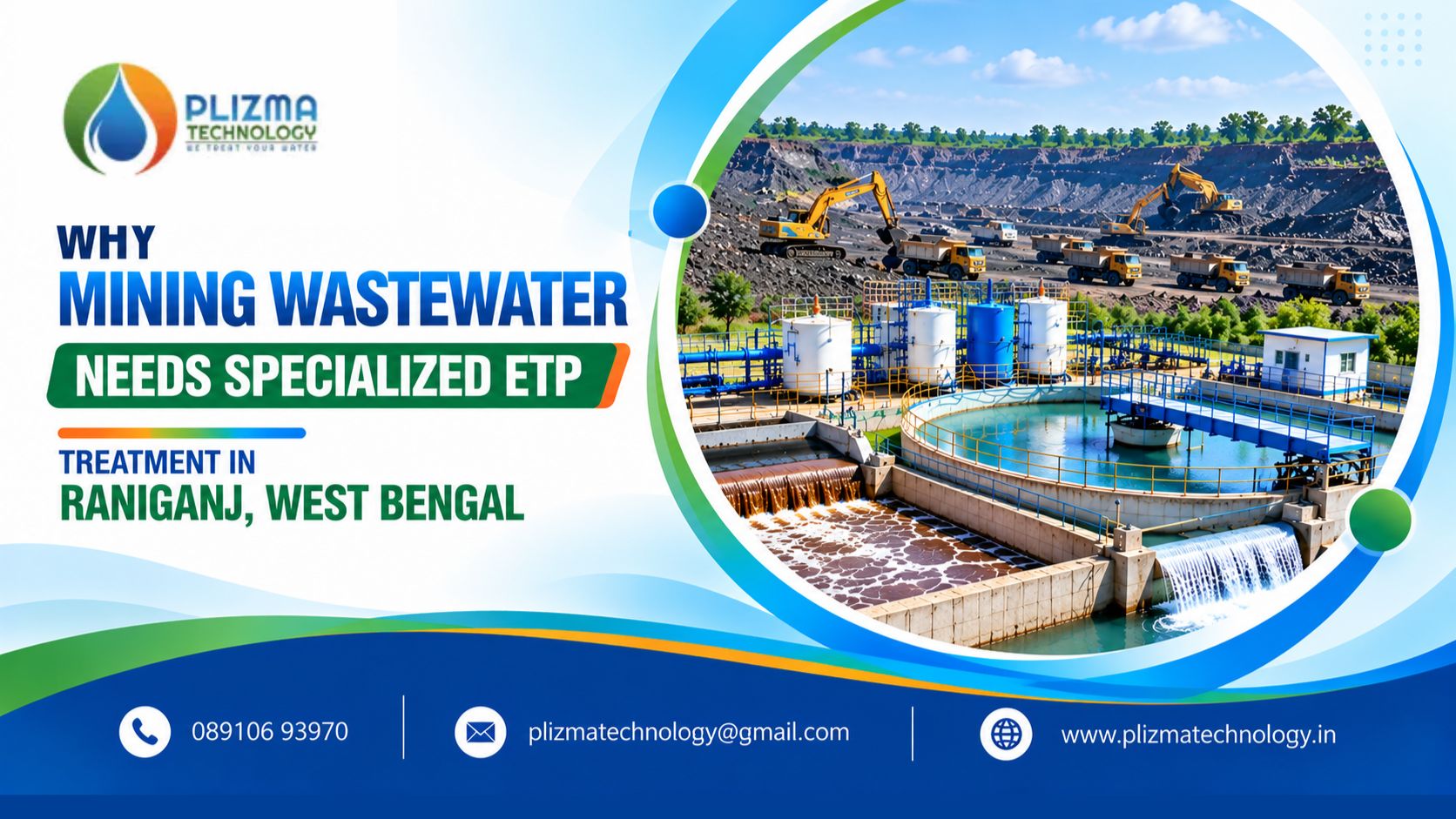
Why Mining Wastewater Needs Specialized ETP Treatment in Raniganj, West Bengal
2026-10-26 | by Joydip Manna
Mining industries play an important role in industrial development and energy production. But along with mining activities, a significant amount of wastewater is also generated. This water can contain coal particles, suspended solids, oil and grease, mineral residues and, depending on the mining conditions, dissolved metals or acidic contaminants. If this wastewater is discharged without proper treatment, it can create serious problems for surrounding water bodies, soil quality and the environment. Effective mining wastewater treatment and industrial wastewater management are therefore essential for coal mining industries.
This is where a specialized Effluent Treatment Plant (ETP) becomes important. Mining wastewater is different from ordinary domestic sewage, and it cannot always be treated effectively using a standard wastewater treatment arrangement. The treatment process needs to be selected according to the type of mining activity, wastewater characteristics and the quality required for discharge or reuse. A suitable mining wastewater treatment plant in Raniganj can help address these site-specific treatment requirements.
At Plizma Technology, mining wastewater treatment is an important industrial application where proper assessment, suitable treatment technology and reliable plant operation all need to work together. Selecting suitable industrial effluent treatment solutions is important for managing wastewater generated by coal mines and associated industrial facilities.
Understanding Mining Wastewater and Its Treatment Requirements
If you are wondering why mining wastewater requires a different treatment approach, the answer lies in the contaminants present in the water. Different mining activities produce different types of effluent, which means the treatment system must be designed accordingly. A proper coal mine wastewater treatment system starts with identifying the main pollutants and understanding their concentration.
Coal Mine Drainage
Water collected from underground mines and open-cast mining areas can carry suspended soil, coal particles and mineral matter. The concentration of these pollutants may change according to mining operations, groundwater inflow and rainfall. Appropriate mine water treatment helps manage these variations.
A suitable treatment arrangement may include settling tanks, clarification and filtration. However, the actual treatment requirement depends on the water quality and its intended use. Effective suspended solids removal is particularly important where mine drainage contains high concentrations of mineral particles.
Coal Washery Wastewater
Coal washing operations generate wastewater containing fine coal particles and suspended solids. These particles can remain in suspension for long periods, making ordinary settling less effective in certain conditions.
A specialized ETP can use coagulation, flocculation and clarification to improve solids separation. These processes support coal fines removal and improve the performance of a coal washery effluent treatment plant. The recovered solids and sludge also require proper handling, otherwise the same pollution problem can return through improper disposal.
Oil and Grease Contamination
Mining machinery, heavy vehicles and equipment maintenance activities can introduce oil and grease into wastewater. These contaminants need to be separated before the water enters further treatment stages. Effective oil and grease removal helps protect downstream treatment equipment.
Oil-water separators, grease traps and additional treatment processes may be required, depending on the nature of contamination. Selecting the correct equipment at this stage helps protect downstream treatment units and reduces operational difficulties.
Rainwater Runoff from Mining Areas
Mining areas generate additional runoff during heavy rainfall. Water flowing over exposed soil, coal stockpiles and overburden areas can carry substantial quantities of suspended particles.
If contaminated runoff enters the ETP in excessive quantities, the treatment process may become overloaded. Therefore, drainage management, suitable collection arrangements and adequate settling capacity are important parts of mining wastewater management, especially in regions such as Raniganj, West Bengal.
Why Mining Industries Need a Specialized ETP
An effluent treatment plant is not simply a collection of tanks and filters. It is a treatment system designed to reduce pollutants to the level required for the intended discharge or reuse application. A specialized industrial wastewater treatment plant must be designed around the wastewater characteristics and applicable environmental requirements.
Mining industries require specialized treatment for several reasons.
1. Effective Removal of Suspended Solids
Coal fines, sand, clay and mineral particles can increase the suspended-solids concentration of mining wastewater. If these particles are not removed efficiently, they can accumulate in pipelines, affect downstream equipment and reduce the quality of discharged water.
A properly designed ETP may use screening, grit removal, sedimentation, coagulation and flocculation. Filtration can be added when further removal of suspended particles is necessary. These processes form the basis of effective suspended solids removal in mining wastewater treatment.
2. Treatment of Acidity and Dissolved Contaminants
Some mine-water sources may contain acidic water or dissolved metals, depending on local geology and mining conditions. In such cases, simple settling is not enough to achieve the required water quality.
The treatment system may need pH correction, chemical precipitation, clarification and filtration. The process should be finalized only after analysing the wastewater because the chemical requirements and sludge generation can vary significantly. A suitable mine drainage treatment system should address these contaminants according to laboratory results.
3. Reduction of Freshwater Consumption
Water is an important resource for mining operations. When suitable treatment is provided, recovered water may be reused for dust suppression, equipment washing, plantation and other non-potable applications, subject to the applicable quality requirements.
This helps reduce dependence on freshwater sources and supports more responsible industrial water management. Industrial water recycling and treated wastewater reuse can also help mining facilities make better use of available water resources.
4. Environmental Protection and Regulatory Compliance
Untreated mining wastewater can carry suspended solids and other contaminants into nearby water bodies. Depending on the wastewater characteristics, this may affect aquatic ecosystems, soil conditions and the quality of available water resources.
A properly designed and operated ETP helps industries control these risks and comply with applicable environmental requirements. In India, the relevant framework includes the Water (Prevention and Control of Pollution) Act, 1974, the Environment (Protection) Act, 1986, applicable rules, and the conditions imposed by the concerned pollution control authority. Industries must verify the applicable environmental compliance requirements for coal mines before deciding on discharge or reuse arrangements.
For coal washeries, specific requirements concerning closed-circuit operation and zero effluent discharge may apply. The applicable standards and site-specific consent conditions must always be verified before finalizing the treatment design, including the requirements of the West Bengal Pollution Control Board where applicable.
How Does a Mining Effluent Treatment Plant Work?
The treatment process generally involves multiple stages. Each stage addresses a particular pollutant or operating requirement, and the final configuration depends on the wastewater analysis. These stages form the core of a mining ETP treatment process.
Preliminary Treatment
The first stage removes large debris, stones and coarse particles through screening and grit removal. This protects pumps, valves and pipelines from blockages and unnecessary mechanical wear.
For mining wastewater with high solid content, effective preliminary treatment also helps reduce the load on downstream treatment units. It is an important part of coal mine effluent treatment.
Equalization and Flow Balancing
Mining wastewater flow and pollutant concentrations may change throughout the day. Rainfall, pumping schedules and coal-processing activities can create sudden variations.
An equalization tank helps balance these changes before water enters the main treatment process. Proper mixing and flow control support more stable treatment performance, but the tank must be sized according to the expected flow pattern and peak loading. Appropriate ETP plant design and installation should account for these operating variations.
Chemical Treatment and Clarification
Where fine suspended particles are difficult to settle, coagulants and flocculants can be added to improve separation. These chemicals help smaller particles form larger flocs that can settle in a clarifier. This process is known as chemical coagulation and flocculation.
The chemical dosage should be established through suitable testing. Excessive dosing increases chemical consumption and sludge production, while insufficient dosing may result in poor clarification.
Filtration and Advanced Treatment
After clarification, the water may pass through pressure sand filters or other filtration systems to remove remaining suspended particles.
Additional technologies such as activated carbon, membrane filtration or reverse osmosis may be considered when the wastewater contains contaminants that conventional treatment cannot adequately remove. These processes are not necessary in every mining ETP, and their selection depends on the required final water quality. Appropriate industrial wastewater filtration systems should be selected according to the intended treatment outcome.
Treated Water Storage and Reuse
The treated water is collected in a storage tank and checked against the applicable quality requirements before reuse or discharge.
Depending on the water quality and intended application, the treated water may be suitable for dust suppression, washing or other industrial purposes. Additional treatment and verification are required for more sensitive uses. Effective treated water reuse in mining industries depends on the final water quality and the requirements of the application.
Sludge Management: An Important Part of Mining ETP Operation
During the treatment process, suspended solids and chemical treatment residues accumulate as sludge. This sludge may contain coal fines, mineral matter and concentrated contaminants, depending on the source wastewater.
Proper sludge management is essential for maintaining treatment efficiency. Sludge may require thickening, dewatering through a filter press and appropriate storage before recovery or disposal through an authorized route, as applicable. A suitable sludge dewatering system can help reduce the water content of collected solids and improve handling.
If sludge is allowed to accumulate in clarifiers, it reduces the available settling volume and can lead to solids carryover. Similarly, careless disposal of sludge can create secondary pollution even when the treated water meets its required quality.
Therefore, a mining ETP should be planned with sludge collection, handling and disposal facilities from the beginning rather than treating them as an additional requirement later. Proper industrial sludge management is an essential component of reliable wastewater treatment.
ETP Design Considerations for Raniganj, West Bengal
Mining operations in Raniganj need to consider the practical conditions of the site along with the treatment technology. Rainfall variation, wastewater flow, available space and the nature of coal-processing activities can all influence plant performance. These factors are important when selecting a mining ETP in West Bengal.
Managing Monsoon Conditions
Heavy rainfall can increase the amount of water entering collection drains and settling facilities. If stormwater and contaminated process water are mixed without proper assessment, the treatment plant may receive a hydraulic load beyond its intended capacity.
Suitable drainage arrangements, segregation of cleaner runoff where practicable and adequate settling capacity can help manage these variations. Effective monsoon runoff management for mining wastewater helps reduce the risk of overloading the treatment plant.
Understanding Wastewater Characteristics
Before selecting an ETP, representative wastewater samples should be analysed. Parameters may include pH, total suspended solids, total dissolved solids, conductivity, oil and grease, and selected metals or other contaminants where relevant.
BOD and COD testing may also be necessary where the wastewater contains organic pollution. The final testing programme should reflect the actual wastewater source and applicable environmental requirements. A proper mining wastewater analysis supports the selection of suitable treatment technologies.
Choosing the Correct Treatment Capacity
The ETP capacity should be based on actual wastewater generation, peak flows and the expected operating schedule. A plant designed only around average daily flow may struggle during periods of increased water inflow or production.
At the same time, installing unnecessary treatment stages can increase capital and operating costs. Proper capacity assessment and process selection help maintain a practical balance between treatment performance and operating requirements.
Operation and Maintenance
Routine inspection of pumps, dosing systems, filters, clarifiers and sludge-handling equipment is necessary for reliable performance. Chemical dosing, filter backwashing, sludge removal and periodic laboratory testing should be included in the operating plan.
Automation and monitoring instruments can help track flow, tank levels and selected water-quality parameters. However, regular maintenance and laboratory verification remain essential for confirming that the ETP is operating as intended. Consistent ETP operation and maintenance helps support long-term treatment performance.
Choosing the Right Mining ETP Manufacturer
Selecting an effluent treatment plant manufacturer requires more than comparing the initial equipment cost. The manufacturer needs to understand the wastewater source, the required treatment outcome and the practical limitations of the mining site.
Before finalizing an ETP, industries should consider:
- Wastewater analysis and identification of the principal contaminants.
- Selection of suitable physical, chemical and advanced treatment processes.
- Plant capacity and provision for expected flow variations.
- Sludge handling, storage and disposal arrangements.
- Treated-water reuse requirements and applicable discharge standards.
- Chemical consumption, energy requirements and maintenance accessibility.
- Availability of technical support, operating guidance and performance monitoring.
A treatment plant designed for coal washery wastewater may require a different arrangement from one intended mainly for mine drainage or machinery-washing effluent.
Conclusion
Effective mining wastewater treatment is essential for reducing pollution, managing industrial effluent and supporting water reuse in coal mining operations. For industries in Raniganj, West Bengal, selecting the right ETP requires proper wastewater analysis, suitable treatment technology and regular maintenance.
At Plizma Technology, suitable mining wastewater treatment solutions help industries address their specific effluent management requirements while supporting environmental protection and responsible water use.
RECENT BLOG
ETP for Jute Mill Wastewater Treatment in West Bengal: Improving Treatment Reliability
2026-10-22
ETP for Sugar Mills in India: A Practical Guide to Wastewater Treatment and Water Reuse
2026-10-14
Top 5 STP Manufacturers in Chhattisgarh
2026-09-28
Top 5 ETP Plant Manufacturers in Chhattisgarh
2026-09-28