

Recent
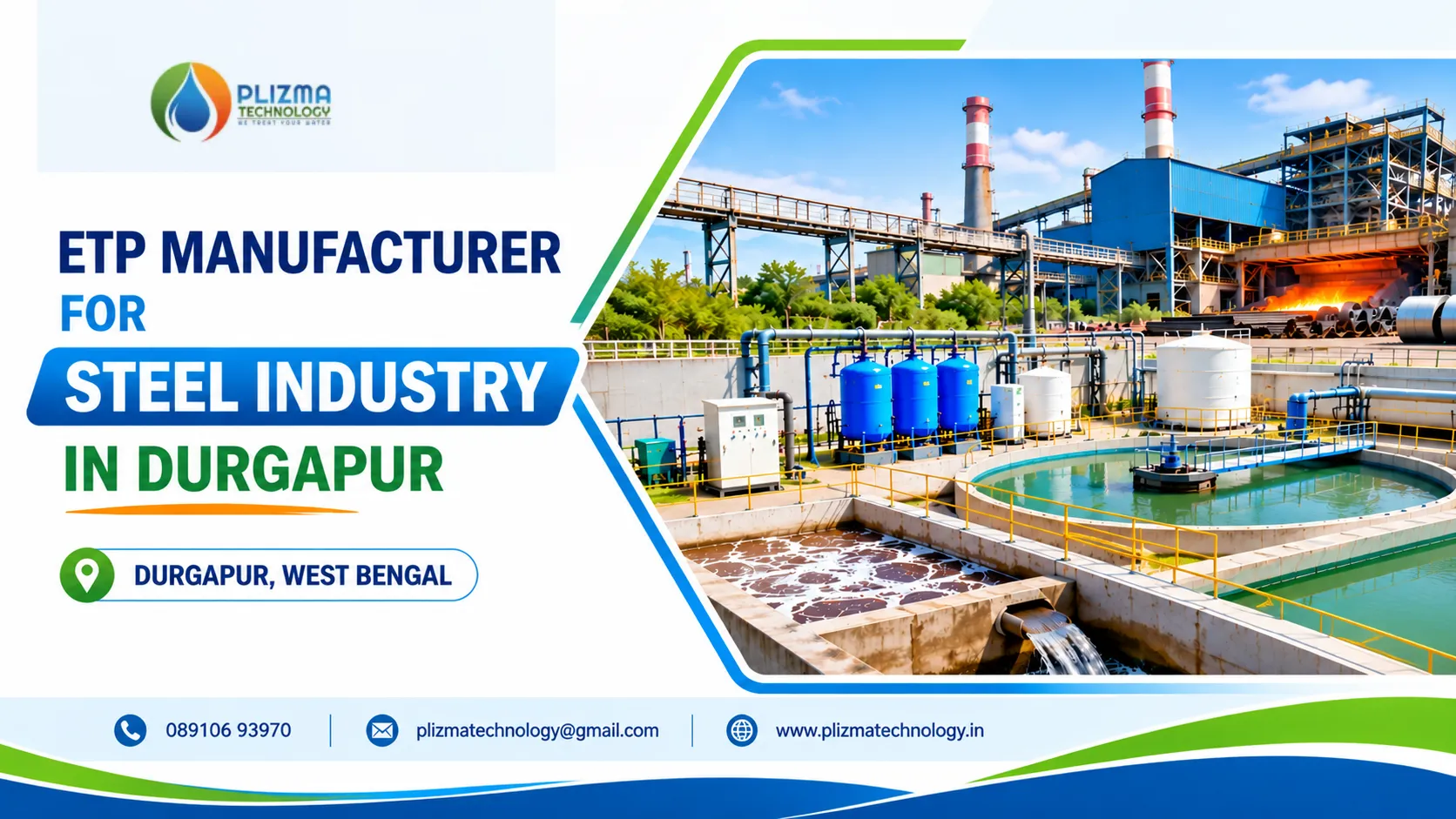
ETP manufracturer for steel Industry in Durgapur, West Bengal
2026-11-06 | by Joydip Manna
The steel industry is one of the major contributors to India’s industrial development. With the expansion of steel manufacturing facilities, the demand for industrial water is also increasing. Water is used across different production operations, including rolling mills, blast furnaces, coke ovens, cooling towers, pickling and equipment cleaning. However, after completing these operations, the wastewater carries different pollutants that require proper treatment before discharge or reuse.
This is where an industrial Effluent Treatment Plant (ETP) becomes important. An ETP helps steel manufacturing facilities remove oil and grease, suspended solids, heavy metals, chemicals and other industrial contaminants from wastewater. It also supports water recycling, environmental protection and regulatory compliance.
For industries searching for an ETP manufacturer for steel industry in Durgapur, West Bengal, understanding the treatment technologies and plant requirements is essential. A properly designed industrial wastewater treatment plant can help maintain production efficiency while reducing the environmental impact of manufacturing operations.
Why Does the Steel Industry Need an Effluent Treatment Plant?
Steel manufacturing generates different types of industrial wastewater depending on the production process. Some wastewater streams contain high concentrations of suspended solids, while others may contain dissolved metals, oil, grease, acidic substances and complex organic pollutants.
Discharging untreated industrial effluent into natural water bodies can create serious environmental problems. It may affect aquatic ecosystems, contaminate groundwater and reduce the quality of surrounding soil.
An industrial effluent treatment plant helps address these challenges through different physical, chemical and biological treatment processes.
Some important benefits of installing an ETP include:
- Industrial wastewater treatment: Removes different pollutants from manufacturing wastewater before discharge or reuse.
- Heavy metal removal: Helps remove selected dissolved metals through suitable chemical precipitation and separation processes.
- Water recycling: Allows treated wastewater to be reused in suitable industrial applications.
- Environmental compliance: Helps industries meet applicable CPCB and West Bengal Pollution Control Board requirements.
- Freshwater conservation: Reduces freshwater consumption through industrial water recovery and reuse.
- Sludge management: Provides facilities for collecting, dewatering and managing treatment-generated sludge.
Therefore, an ETP plant is an important part of responsible industrial wastewater management for steel manufacturing facilities.
Major Sources of Wastewater in Steel Manufacturing Industries
Before selecting an ETP manufacturer in Durgapur, it is important to understand the wastewater generated from different steel production activities. Each process has different wastewater characteristics, which influence the treatment plant design.
1. Rolling Mill Wastewater Treatment
Rolling mills use water for cooling, lubrication and descaling operations. This wastewater generally contains iron particles, mill scale, suspended solids and oil and grease.
A rolling mill wastewater treatment plant may include oil-water separation, sedimentation, coagulation and filtration. These processes help remove suspended particles and oil before the treated water moves to further treatment or reuse.
2. Coke Oven Wastewater Treatment
Coke oven operations can generate complex industrial wastewater containing phenols, ammonia, cyanide and other organic and inorganic pollutants.
Such wastewater may require specialized pretreatment, chemical treatment and biological treatment. The actual treatment configuration depends on pollutant concentrations and biological treatability.
3. Pickling Wastewater Treatment
Pickling is used to remove oxide layers from steel surfaces through acidic solutions. Wastewater from this process may contain low pH, dissolved iron and other metals.
An industrial ETP for pickling wastewater generally considers neutralization, chemical precipitation and clarification to reduce the pollutant concentration.
4. Blast Furnace Wastewater Treatment
Blast furnace operations and gas-cleaning systems can generate wastewater containing suspended solids, iron particles and other process-related contaminants.
Suitable clarification and filtration systems help remove these impurities and improve treated-water quality.
5. Cooling Tower Blowdown Treatment
Cooling tower blowdown contains dissolved salts and treatment chemicals that accumulate during continuous water circulation.
Depending on the intended reuse, treatment may include filtration, softening or reverse osmosis to reduce dissolved contaminants.
How Does an Industrial ETP Work in Steel Manufacturing?
An industrial wastewater treatment plant uses multiple treatment stages to remove different pollutants. The final process design depends on wastewater characteristics, flow rate and required treated-water quality.
1. Preliminary Treatment and Oil Separation
The preliminary treatment stage removes large particles and floating contaminants from industrial wastewater.
Screening systems remove debris, while oil separators help separate free oil and grease. API separators or Dissolved Air Flotation (DAF) systems may be selected depending on the wastewater characteristics.
This stage protects downstream treatment equipment and improves the overall performance of the ETP.
2. Equalization and Neutralization
Industrial wastewater flow and pollutant concentration often change according to production schedules. An equalization tank helps balance these variations and provides a more consistent feed to downstream treatment units.
Neutralization is another important process. Acidic and alkaline wastewater is adjusted using suitable chemicals to achieve the required pH conditions.
Proper pH control improves the effectiveness of subsequent chemical and biological treatment processes.
3. Coagulation and Flocculation
Fine suspended particles are difficult to remove through ordinary sedimentation. Coagulation and flocculation help overcome this problem.
During coagulation, chemicals are added to destabilize fine particles. Flocculation then allows these particles to combine into larger flocs that can settle more easily.
A clarifier separates these flocs from the treated wastewater.
4. Heavy Metal Removal Through Chemical Precipitation
Steel manufacturing wastewater may contain dissolved metals such as iron and other process-related metals.
Chemical precipitation converts selected dissolved metals into less soluble compounds. These compounds are subsequently separated through clarification or filtration.
The treatment conditions depend on the metal concentration, pH and chemical characteristics of the wastewater.
5. Biological Wastewater Treatment
Some industrial wastewater streams contain biodegradable organic matter that requires biological treatment.
Technologies such as Moving Bed Biofilm Reactor (MBBR) and Activated Sludge Process use microorganisms to break down biodegradable organic pollutants.
However, biological treatment is not suitable for every steel industry wastewater stream. Highly acidic or toxic wastewater may require pretreatment before biological processing.
6. Tertiary Treatment and Advanced Filtration
After primary and secondary treatment, additional purification may be necessary to achieve the required water quality.
Common technologies include:
- Pressure Sand Filter (PSF)
- Activated Carbon Filter (ACF)
- Ultrafiltration (UF)
- Reverse Osmosis (RO)
- Suitable disinfection systems
RO is particularly useful when lower dissolved salt concentrations are required for industrial water recycling. The membrane system requires proper pretreatment and concentrate management.
7. Sludge Dewatering and Management
Industrial effluent treatment generates sludge during chemical precipitation, clarification and biological processes.
Sludge dewatering equipment such as filter presses and centrifuges helps reduce the moisture content and volume of sludge.
The resulting material needs proper characterization and management according to applicable waste regulations.
Important Components of an Industrial ETP Plant
A properly designed industrial ETP manufacturer considers the complete treatment arrangement instead of selecting individual equipment without understanding the process.
Major ETP components may include:
- Bar screen and screening chamber.
- Oil and grease separator.
- Equalization tank.
- Neutralization tank.
- Chemical dosing system.
- Flash mixer and flocculator.
- Primary clarifier.
- Biological treatment tank, where required.
- Secondary clarifier.
- Pressure sand filter.
- Activated carbon filter.
- RO or UF system, where required.
- Sludge holding tank.
- Filter press.
- PLC and SCADA monitoring system.
The equipment selection depends on wastewater flow, pollutant characteristics, land availability and the final water quality requirements.
How to Choose the Best ETP Manufacturer in Durgapur, West Bengal?
Selecting the right industrial ETP manufacturer is an important decision for steel manufacturing companies. A treatment plant needs to handle changing wastewater characteristics while maintaining stable performance.
Here are some important factors to consider before selecting an ETP plant supplier in West Bengal.
Industry-Specific Experience
Look for manufacturers who understand steel industry wastewater treatment and have experience with different industrial effluent characteristics.
Knowledge of rolling mill wastewater, coke oven effluent, pickling wastewater and heavy metal removal is important for developing a suitable treatment design.
Customized ETP Design
Every manufacturing facility has different wastewater generation patterns. Therefore, the ETP should be designed according to actual flow rates, pollutant concentrations and treated-water requirements.
A customized industrial wastewater treatment plant helps avoid unnecessary equipment and unsuitable treatment stages.
Automation and Online Monitoring
Modern ETP systems can integrate PLC and SCADA automation for monitoring plant operations.
Online instruments can monitor parameters such as pH and flow, while suitable monitoring arrangements help operators identify treatment variations and equipment problems.
Installation and Maintenance Support
An industrial ETP requires regular inspection, chemical dosing, equipment maintenance and sludge handling.
Before selecting an ETP manufacturer in Durgapur, check the availability of technical support, spare parts, commissioning services and annual maintenance support.
Regulatory Compliance
The manufacturer should understand applicable CPCB guidelines, West Bengal Pollution Control Board requirements and environmental regulations.
The final plant design must meet the specific consent conditions applicable to the industrial facility.
Industrial Water Recycling and Zero Liquid Discharge in Steel Plants
Water recycling has become an important part of industrial wastewater management. Steel manufacturing facilities use significant quantities of water, making treated-water recovery a valuable opportunity.
Depending on the quality of treated wastewater, recovered water may be reused for:
- Cooling tower makeup.
- Floor and equipment washing.
- Dust suppression.
- Suitable industrial process applications.
- Other non-potable requirements.
Advanced filtration and membrane treatment can be integrated when the required reuse quality demands lower suspended solids or dissolved salts.
Zero Liquid Discharge (ZLD) is another approach used where applicable. It aims to prevent routine liquid effluent discharge by recovering water and managing concentrated residual streams.
A ZLD system may include filtration, membrane treatment, reverse osmosis, evaporators and crystallization. However, it requires additional investment, energy and careful management of concentrated waste.
Environmental Regulations for Steel Industry ETPs in West Bengal
Industrial wastewater treatment plants in Durgapur must follow applicable environmental regulations and pollution control requirements.
Some important regulatory authorities and frameworks include:
- Central Pollution Control Board (CPCB): Provides national pollution-control standards and technical guidance.
- West Bengal Pollution Control Board (WBPCB): Regulates industrial pollution control and applicable consent requirements in West Bengal.
- Environment (Protection) Act, 1986: Provides the statutory framework for environmental protection.
- Environment (Protection) Rules, 1986: Include prescribed environmental standards and requirements.
- Hazardous and Other Wastes Rules, 2016: Govern the management of applicable hazardous waste generated during industrial operations.
Steel manufacturing facilities must identify the standards applicable to their specific processes and discharge arrangements. The required treated-water quality depends on the consent conditions and whether wastewater is discharged or reused.
Why Plizma Technology for Industrial ETP Solutions?
Industrial wastewater treatment requires proper process selection, suitable equipment and a clear understanding of manufacturing operations. A treatment system should be designed around the actual wastewater characteristics rather than applying the same configuration to every industry.
Plizma Technology works in the water and wastewater treatment sector, including industrial effluent treatment solutions.
For steel manufacturing facilities looking for industrial wastewater treatment solutions in Durgapur and other parts of West Bengal, important considerations include:
- Understanding industrial wastewater characteristics.
- Selecting suitable physical and chemical treatment processes.
- Evaluating biological treatment requirements.
- Integrating filtration and water recycling technologies where necessary.
- Planning sludge handling and operational requirements.
The objective of industrial ETP engineering is to maintain suitable treatment performance while supporting responsible water management and environmental compliance.
Frequently Asked Questions
Q1. Which ETP is suitable for the steel industry in Durgapur?
A customized physico-chemical ETP is commonly considered for steel manufacturing wastewater. It may include oil separation, neutralization, coagulation, flocculation and clarification. Biological and membrane treatment can be added depending on wastewater characteristics.
Q2. What is the cost of installing an industrial ETP in a steel plant?
The cost depends on treatment capacity, wastewater characteristics, equipment selection, automation, civil construction, sludge handling and treated-water requirements. A technical assessment is necessary before preparing an accurate quotation.
Q3. Can an ETP remove heavy metals from steel industry wastewater?
Yes. Chemical precipitation, coagulation and clarification can remove selected dissolved metals. The removal efficiency depends on metal concentration, pH, chemical selection and treatment conditions.
Q4. Is RO compulsory in a steel industry ETP?
No. RO is generally considered when lower TDS or dissolved salt concentrations are required for industrial reuse or when it forms part of a selected ZLD configuration.
Q5. Can treated industrial wastewater be reused in steel plants?
Yes. Properly treated wastewater can be reused in suitable applications such as cooling tower makeup, washing and dust suppression, provided the treated water meets the requirements of the intended application.
Q6. How do I select an ETP manufacturer in West Bengal?
Check the manufacturer’s industrial wastewater treatment experience, project references, process design capabilities, equipment quality, installation support, maintenance services and regulatory understanding before making a decision.
Conclusion
Steel manufacturing wastewater contains different pollutants depending on production operations. From rolling mill wastewater and oil separation to pickling effluent and heavy metal removal, every treatment requirement needs proper technical evaluation.
A well-designed industrial effluent treatment plant combines suitable physical, chemical and biological processes to improve wastewater quality. Additional filtration and membrane technologies can support water recycling and advanced treatment requirements.
For steel industries in Durgapur, choosing the right ETP manufacturer involves more than comparing equipment prices. It requires understanding wastewater characteristics, selecting appropriate treatment technologies and planning for long-term operation and maintenance.
Plizma Technology recognizes the importance of industrial wastewater management in today’s manufacturing environment. Proper ETP engineering and responsible water recycling remain important parts of sustainable steel production.
Plizma Technology – Industrial Effluent Treatment and Wastewater Management Solutions.
RECENT BLOG
Wastewater Treatment Plant for Paper & Pulp Industry in India
2026-11-01
Why Mining Wastewater Needs Specialized ETP Treatment in Raniganj, West Bengal
2026-10-26
ETP for Jute Mill Wastewater Treatment in West Bengal: Improving Treatment Reliability
2026-10-22
ETP for Sugar Mills in India: A Practical Guide to Wastewater Treatment and Water Reuse
2026-10-14