


2026-09-28



2026-06-19 | by Joydip Manna
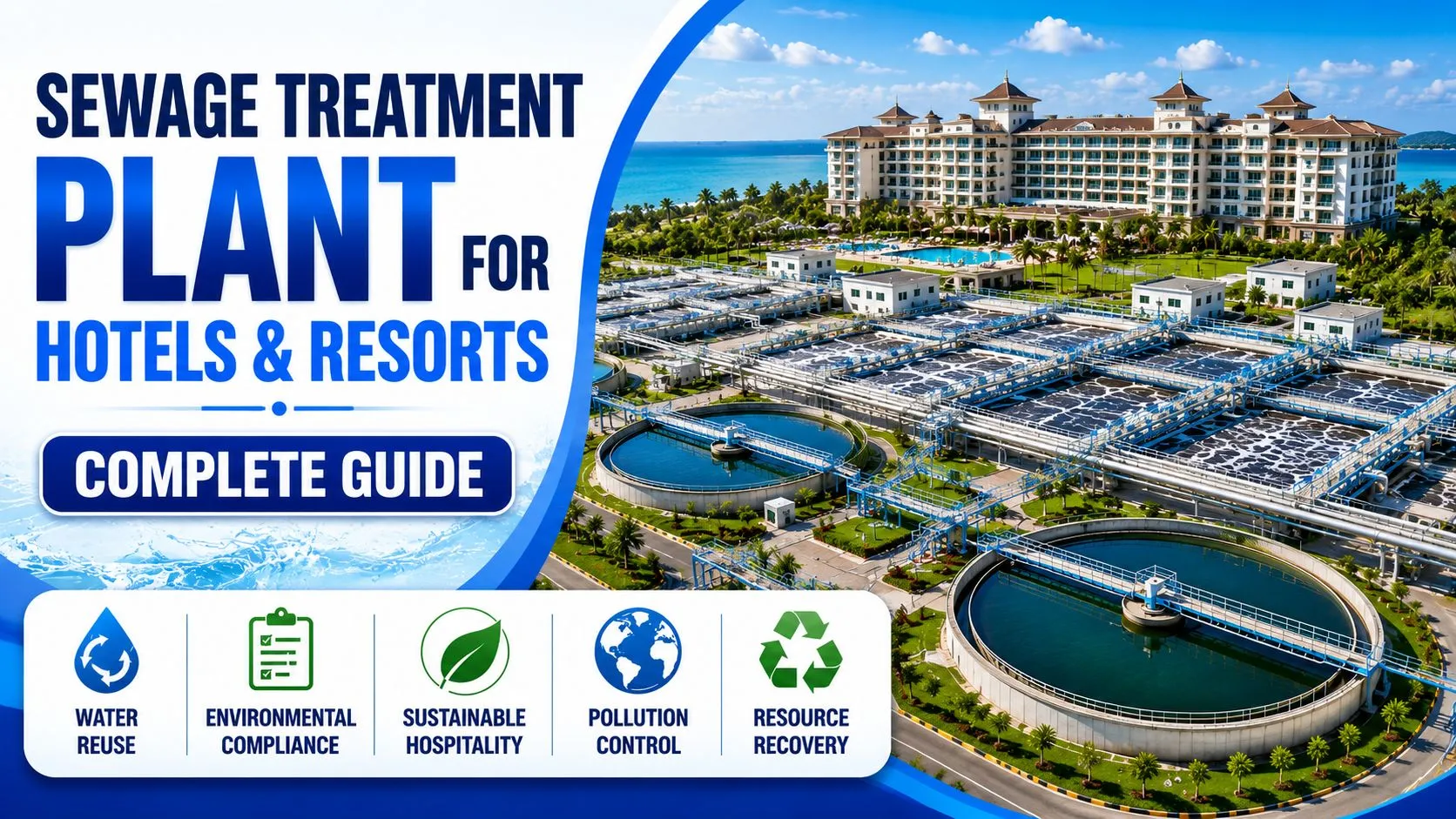
Hotels are known for comfort, luxury and guest experience. But behind all of that, there is another operation running every hour of the day. Water comes in continuously, and wastewater goes out just as fast. Every shower, every toilet flush, every load of laundry, every meal prepared in the kitchen adds to the sewage generated inside the property.
Many hotel owners focus on water supply during planning, but wastewater management usually starts getting attention only after operations begin. That becomes a costly mistake. A hotel cannot function efficiently if sewage is not managed properly. Apart from environmental concerns, untreated or poorly treated wastewater can increase operating costs, create foul odours, attract regulatory action and waste a large quantity of reusable water.
This is exactly why Sewage Treatment Plants (STPs) have become an important part of modern hotels and resorts.
Today, an STP is no longer installed only because environmental authorities require it. The hospitality industry has changed. Water is becoming expensive in many cities, groundwater levels are falling, and several states have tightened wastewater discharge regulations. At the same time, hotels are expected to operate more responsibly as sustainability becomes a deciding factor for investors as well as guests.
A properly designed sewage treatment plant helps solve several of these problems together. Instead of allowing wastewater to become a disposal issue, it converts it into a reusable resource. The treated water can be used for gardening, toilet flushing, cooling towers, landscape irrigation and other non-potable applications. This reduces freshwater consumption significantly and lowers the overall operating cost of the property.
One thing we have noticed while working with hospitality projects is that no two hotels generate sewage in exactly the same way. A business hotel usually has predictable occupancy, while a resort may remain half empty for a few weeks and suddenly operate at full capacity during holidays or wedding seasons. Restaurants, banquet halls, spas and swimming pools further change the wastewater characteristics. Because of this, choosing an STP only on the basis of price rarely works well in the long run.
In this guide, Plizma Technology explains how sewage treatment plants work in hotels and resorts, the technologies commonly used, applicable regulatory considerations, water reuse opportunities and the practical factors that should be evaluated before selecting an STP. The objective is not just compliance, but building a wastewater treatment system that remains reliable, efficient and sustainable throughout the life of the property.
2026-09-28
2026-09-23