2026-09-28



2025-11-19 | by Joydip Manna
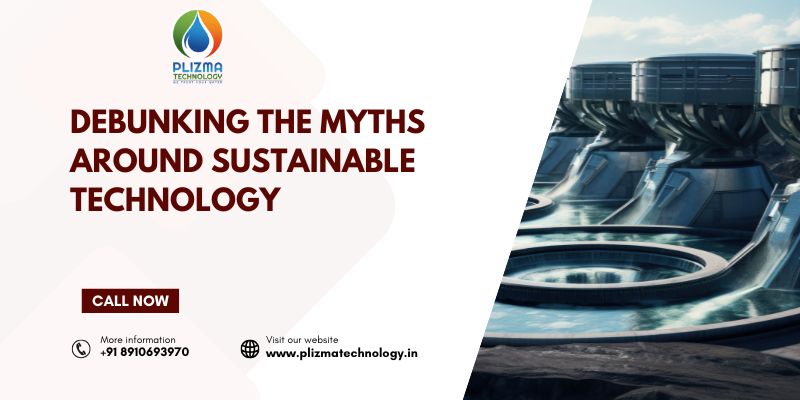
Effluent treatment plant manufacturers make industrial facilities that are built to treat the wastewater that is being extracted from industries. This wastewater is treated before it can be discharged back into natural resources. ETPs extract polluting agents, toxic chemicals and harmful substances that can contaminate our primary water resources. This technologically recycled water is then used for purposes like irrigation and in the municipal sewage system! As you can tell ETPs are essential for our environment in our days of increasing pollution and population density where the amount of production in factories rises due to a rise in demand, and so do the toxic waste emitted by such industries into our primary water sources.
However, the myths around ETPs create a problematic taboo around the good work done by effluent treatment plant manufacturers. Which in turn gives rise to resistance in the much-required recycling process.
If you’re here to figure out what to believe and what to not, this article gives you evidence-based information that busts the myths around Effluent treatment plant and effluent treatment plant manufacturers.
It is a myth that ETPs are merely a tool to keep inspectors at bay. People believe that besides tackling environmental laws, industries do not particularly care or profit from ETPs. Regulatory compliance laws and investigations are a significant part of the industrial check-up system, however in the long run ETPs prove to be immensely profitable not only to the environment but also to the industry that is installing it. The best effluent plant providers assure that industries recycle and reuse water ethically, and along with it, ETPs reduce a factory’s fresh water intake by more than half of what it consumes originally! This leads to massive savings on the part of the firm involved as well, along with an assurance of sustainability. Hence ETP is an essential from the perspective of capital flow as well.
It is more about weighing your liabilities long term than looking at the face value of a technology at the moment. This myth often stops firms from investing in ETPs. However, your effluent treatment plant manufacturer can show you solid data on how it saves more than it costs. With penalties of non-compliance with environmental regulations rising every day, and fairly so due to the current threat to our environment, ETPs can save a firm from high penalties and even the risk of their production getting shut down for a period of time. Your best effluent plant providers will also show you how untreated water waste causes more harm to the existing factory facilities that makes repairing costs skyrocket!
A huge myth that needs to be debunked around ETP is that the treatment plant does not really give out water that is clean and ready to use. While the concept of cleanliness is relative with the uses it is being put into, top effluent treatment plant manufacturers will assure you with proven data that well maintained and well-designed plants that use tested, high-tech methods like ultrafiltration and reverse osmosis produce water that is almost that of drinking quality standards! Varied filtration systems can be used for varied uses and the cost of ETP is regulated by its usage.
There are still quite a few misconceptions around sustainable technology, and honestly, many industries continue to make decisions based on outdated assumptions. Sustainable solutions are not just about following regulations or improving company image—they are about reducing environmental impact, conserving valuable resources, and improving long-term operational efficiency.
Effluent Treatment Plants (ETPs), for example, do much more than help industries meet compliance requirements. They support water reuse, reduce pollution, and contribute directly to sustainable industrial growth. With advanced treatment processes such as equalization, neutralization, coagulation, and biological treatment, Plizma Technology helps industries manage wastewater more effectively while building a cleaner, more responsible, and sustainable future.
Direction: Get Here
2026-09-28
2026-09-23