2026-09-28



2025-01-16 | by Joydip Manna
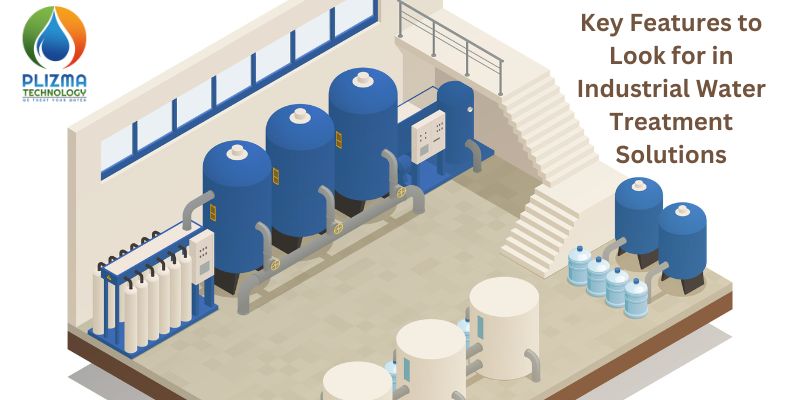
Examining industrial water treatment shows that it is a critical aspect of environmental conservation, effectiveness as well as resource management. When choosing the system there are many available, so it is crucial to understand which elements are most important. This selection depends on the selection of the best Effluent Plant Providers or service providers. Your preference should be to reach the best sources that manufacture and deliver the best industrial effluent treatment plans.
The following are the most important criteria to bear in mind while considering industrial water treatment solutions.
Every industry generates different industrial wastewater profile, this becomes one of biggest mistakes during effluent treatment plant selection. Textile industries mainly release colour, dye chemicals and high TDS wastewater, meanwhile pharmaceutical industries discharge solvents, complex chemical compounds and fluctuating COD loads. Food processing industries again create high organic load wastewater containing oil, grease and suspended solids. Because of this, one common industrial wastewater treatment system never performs properly for all sectors.
As per Central Pollution Control Board guidelines and practical industrial operation both, wastewater characterization always becomes first priority before ETP design. Still many industries skip proper wastewater analysis because of project budget pressure, later they face sludge problems, unstable operation and environmental compliance issues.
Industrial wastewater treatment efficiency directly affects compliance stability, electricity consumption, manpower dependency and long-term operational cost. Many industries only compare installation cost during purchase stage, but after commissioning they realise poor treatment performance continuously increases operational burden.
A properly engineered industrial effluent treatment plant should maintain stable BOD, COD, TSS and pH levels even during fluctuating production conditions. Low-quality wastewater treatment systems mostly fail during sudden hydraulic or organic shock loading. Operators then increase chemical dosing unnecessarily, this again increases sludge generation and operating expense.
Experienced wastewater treatment companies focus heavily on equalization tanks, hydraulic balancing and retention time calculations because sudden wastewater fluctuation can collapse biological treatment performance.
Environmental monitoring for industrial wastewater discharge has become much stricter now. Central Pollution Control Board and State Pollution Control Boards continuously monitor treated effluent quality, sludge disposal practices and discharge standards.
Improper industrial wastewater discharge may result in environmental compensation charges, penalties, legal notices and even temporary production shutdown. Proper industrial ETP systems help industries maintain stable environmental compliance and support wastewater recycling targets.
Modern industries now focus much more on sustainable wastewater treatment, treated water recycling and water conservation because freshwater scarcity is increasing continuously across industrial regions. Advanced industrial wastewater treatment systems help industries reuse treated water for cooling towers, utility operations, floor cleaning and flushing applications.
This reduces freshwater dependency significantly and supports long-term industrial sustainability goals, ESG compliance requirements and environmentally responsible manufacturing operation.
Many industries compare only initial installation cost during industrial ETP selection, but actual wastewater treatment economics depend more on electricity usage, chemical dosing, sludge generation, maintenance frequency and long-term operational stability.
Sometimes slightly expensive industrial wastewater treatment systems initially provide much lower operational expense later because of better efficiency, lower sludge production and stable treatment performance. Hidden operational costs from low-quality systems generally appear only after commissioning.
A properly designed industrial wastewater treatment plant supports environmental compliance, stable plant operation and sustainable industrial growth together. Industries should always select experienced effluent treatment plant manufacturers capable of delivering scalable, energy-efficient and industry-specific wastewater treatment solutions according practical industrial operating conditions.
Plizma Technology continues supporting industries with compliance-focused and long-term reliable industrial wastewater treatment systems designed according future wastewater management and sustainability requirements.
2026-09-28
2026-09-23